



For Your Everyday Bag: The Commuter’s Kit
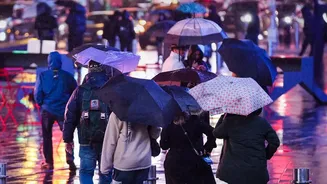
Whether you are heading to the office or running errands, a few small items in your daily bag can be a lifesaver. Start with a compact but sturdy umbrella; one that is wind-resistant is ideal for gusty showers. Pair this with a lightweight poncho or foldable
raincoat, which offers more coverage. To protect your most important gadget, a waterproof phone pouch is non-negotiable. Power cuts are common during heavy rains, so a fully charged power bank is crucial for staying connected. It’s also wise to carry a small packet of tissues or wet wipes and a hand sanitiser for basic hygiene, especially if you have to navigate dirty water. Finally, seal important items like your wallet and other electronics in a zip-lock or dry bag to prevent water damage.
For Your Car: Your Four-Wheeled Safety Net
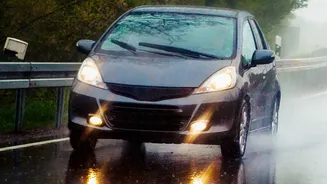
Your car can be a safe haven in a storm, but only if it's properly equipped. Visibility is the first priority: ensure your wiper blades are in good condition and not leaving streaks. Consider applying a rain-repellent solution to your windshield for even better clarity. Keep a basic tool kit, jumper cables, and a tow rope in your boot for emergencies. A powerful torch with extra batteries is more reliable than your phone's flashlight, especially if you need your hands free. If you get stranded, you'll be grateful for a change of clothes, a towel, and a spare pair of rubber footwear. Stash some non-perishable snacks like energy bars or biscuits and a few bottles of drinking water in case you're stuck in traffic for hours.
For Your Home: The Fortress-Against-the-Flood Box
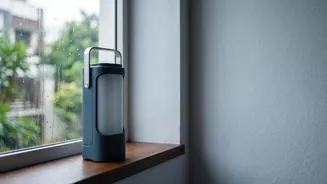
When the rain keeps you indoors, the challenges shift to power cuts and potential water entry. Prepare an emergency box with essentials. This should include torches, spare batteries, and emergency lights or candles with a matchbox stored in a waterproof container. A fully charged power bank is just as important at home as it is on the go. Your first-aid kit should be fully stocked with basics like bandages, antiseptic solution, pain relievers, and any personal prescription medications. Since heavy rains can sometimes disrupt water supply or contaminate it, storing a few days' worth of drinking water is a sensible precaution. Also, stock up on ready-to-eat food that doesn't require cooking, such as biscuits, dry fruits, and canned goods.
Health and Hygiene: Staying Safe and Well
The monsoon season often brings a spike in water-borne and mosquito-borne illnesses. Take simple steps to protect your health. Always have insect repellent handy, both at home and when you travel. Stagnant water is a breeding ground for mosquitoes, so ensure drains around your home are clear and there's no water collecting in pots or old tyres. Hygiene becomes paramount. Use hand sanitiser frequently, especially after coming in from outside. It’s also a good idea to add Oral Rehydration Salts (ORS) to your first-aid kit to combat dehydration from any potential stomach bugs. If you have to wade through flooded areas, wash your feet and legs thoroughly with soap and water as soon as you get home.
Digital and Document Preparedness
In today's world, being prepared also means having your digital life in order. Download offline maps for your local area, as mobile networks can be unreliable during severe weather. Keep a list of emergency contact numbers—like your local disaster management authority, police, and ambulance—saved on your phone and also on a physical card in your wallet or emergency kit. Before the rains hit, it's a great idea to create digital copies of your important documents like your Aadhar card, driver's license, and insurance papers. Store them in a secure cloud service or on a password-protected USB drive. Keep the physical copies in a waterproof folder, ready to grab if needed.