





The Silent Decline of Our Muscles
From around the age of 30, our bodies begin a slow, natural process of losing muscle mass and strength, a condition known as sarcopenia. This decline, typically 3-8% per decade, accelerates after 60, but it's more than just a cosmetic issue. Strong muscles
are crucial for mobility, balance, metabolism, and overall resilience. Losing them increases the risk of falls, slows recovery from illness, and can compromise our independence later in life. For a long time, this was seen as an unavoidable part of getting older. However, recent research is revealing that while we can't stop the clock entirely, we have a remarkable ability to influence how our muscles age, right down to the molecular level.
A Look Inside: What Is Molecular Ageing?
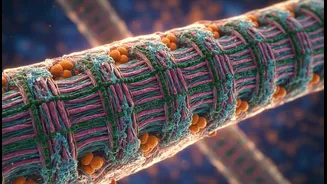
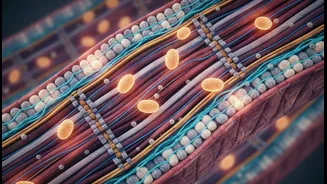
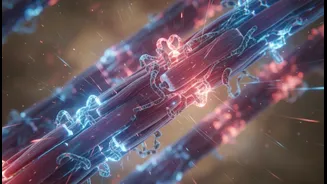
To understand how exercise helps, we first need to look at what goes wrong inside muscle cells as they age. A key issue is mitochondrial dysfunction. Mitochondria are the 'powerhouses' of our cells, responsible for generating energy. With age, their efficiency can decline, leading to less energy and more cellular stress. Another major factor involves an imbalance in protein management. Healthy muscles are constantly breaking down old, damaged proteins and building new ones. As we age, a pathway called mTORC1 can become overly active, prioritizing protein production while becoming less efficient at clearing out the damaged goods. This buildup of cellular 'junk' contributes to the gradual loss of strength. Furthermore, scientists have identified specific genes, such as one called DEAF1, whose levels increase with age, driving this harmful imbalance and accelerating muscle deterioration.
The Exercise Effect: Hitting the Reset Button
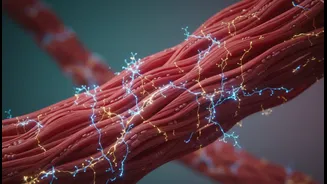
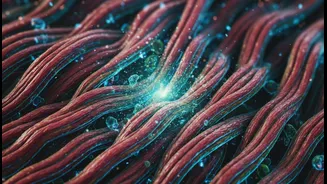
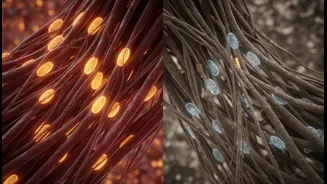
This is where exercise performs its most impressive work. Physical activity acts as a powerful signal that tells your body to counteract these negative aging patterns. Studies show that exercise can essentially hit a 'reset button' inside muscle cells. Research from Duke-NUS Medical School revealed that exercise activates proteins that lower the levels of the harmful DEAF1 gene. This helps restore the crucial balance between protein creation and cleanup, allowing aging muscles to clear out damage and rebuild themselves properly. Furthermore, exercise directly rejuvenates our cellular powerhouses. Studies have demonstrated that training can reverse the age-related decline in mitochondrial function, making the molecular fingerprint of an older adult's muscle look remarkably similar to that of a younger person after just a few months of regular exercise.
More Than Just Muscle
The benefits of maintaining healthy muscle aging extend far beyond simply being stronger. Skeletal muscle is a pivotal longevity organ. When active, muscles release hundreds of signaling molecules called myokines, which travel throughout the body and have widespread anti-inflammatory and health-promoting effects. This system-wide benefit means healthier muscles contribute to better blood sugar regulation, a lower risk of metabolic diseases like type 2 diabetes, and improved cardiovascular health. By preserving muscle function, we also maintain our ability to move confidently, drastically reducing the risk of debilitating falls and fractures that can severely impact quality of life in older adults. Essentially, investing in muscle health is an investment in whole-body health and a longer, more active life.
What Kind of Exercise Is Best?
While any movement is better than none, research points to a combination of approaches for the best results. Resistance training—using weights, resistance bands, or your own body weight—is particularly effective at building muscle mass and strength. It directly stimulates the pathways that lead to muscle growth and has been shown to reduce the abundance of dysfunctional 'senescent' cells that contribute to aging. At the same time, endurance or aerobic exercise (like brisk walking, cycling, or running) is a champion at improving mitochondrial function and content. High-intensity interval training (HIIT), which involves short bursts of intense effort followed by rest, has been shown to be particularly potent at reversing some cellular aspects of aging in muscles. The key takeaway is that a consistent routine incorporating both resistance and aerobic elements provides the most comprehensive defense against muscle aging.