



The Golden Rule: Light Before Love
Before you fall in love with a plant at the nursery, you must first understand the light in your space. Sunlight is the primary source of energy for plants, and no amount of careful watering or expensive soil can make up for a fundamental mismatch between
a plant's needs and its environment. Balcony gardens are unique because their light is often dictated by the building's structure, nearby towers, and the direction they face. A plant that requires six hours of direct sun will not flourish with only ambient morning brightness, no matter how much you care for it. Making light your first consideration flips the script from hoping a plant survives to ensuring it thrives.
How to Become a Balcony Light Detective
Determining your balcony's light pattern is simpler than it sounds and requires no special tools. The most reliable method is direct observation. Over a full day, check your balcony every hour or so and take notes. When does direct sunlight first hit the floor or railings? Where does it fall? For how many hours does it stay? A sharp, well-defined shadow indicates direct sun, while bright areas with soft or non-existent shadows are receiving indirect light. Your balcony's direction is a good starting point: east-facing balconies typically get gentler morning sun, south-facing ones receive the most intense light, and north-facing balconies are often the shadiest. However, nearby buildings or the balcony directly above you can block sun, making personal observation essential.
Best Plants for Sun-Soaked Balconies
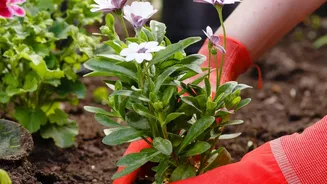
If your observation reveals six or more hours of direct sunlight, you've hit the jackpot for a huge variety of flowering and edible plants. These spaces are perfect for sun-worshippers that convert bright light into vibrant blooms and bountiful harvests. For a splash of colour, consider Bougainvillea, Hibiscus, and Marigolds, which are hardy choices often seen in Indian homes. Heat-loving Adenium (Desert Rose) and Portulaca also flourish in these conditions. If you're interested in edibles, a sunny balcony is ideal for growing tomatoes, chillies, mint, and holy basil (Tulsi). These plants love the energy provided by direct sun, but remember that pots in full sun also dry out much faster, so you'll need to monitor their watering needs closely, especially in the summer.
Thriving Plants for Shadier Balconies
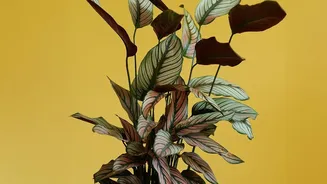
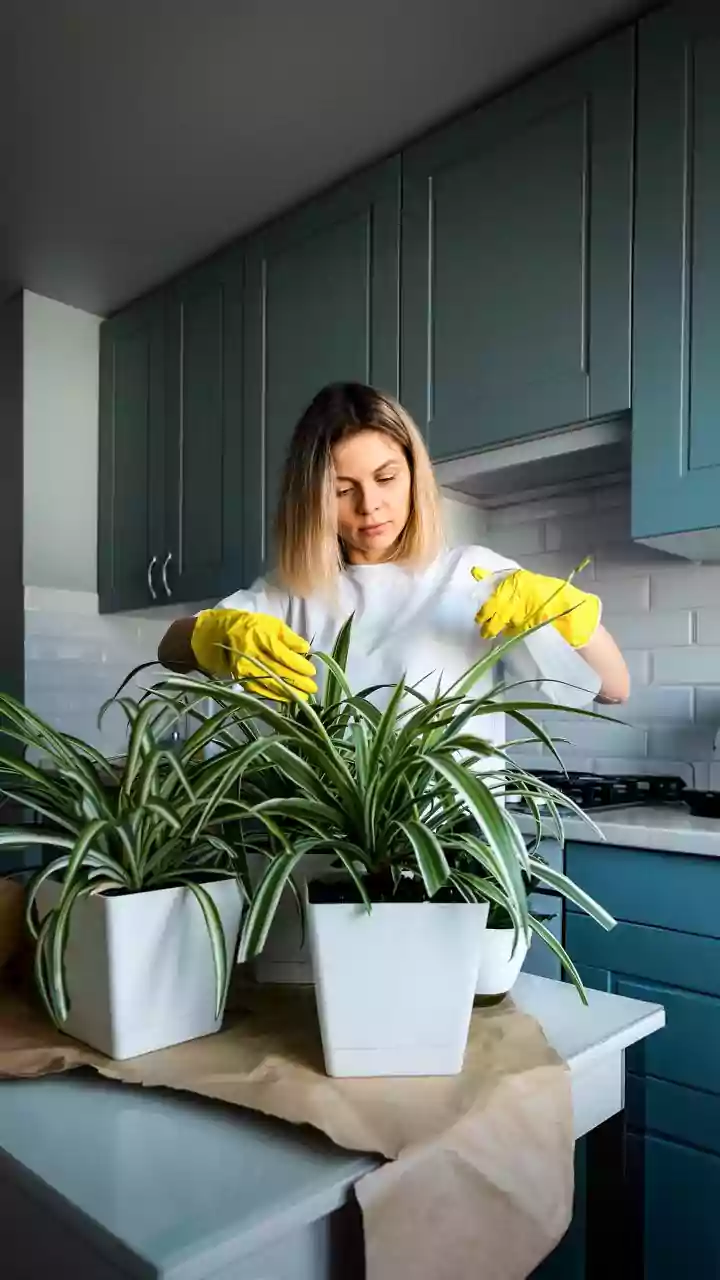
A shady balcony is not a death sentence for your gardening ambitions; it’s an opportunity to cultivate a different kind of beauty. Many balconies, especially north-facing ones or those heavily shaded by other buildings, are perfect for plants that prefer bright, indirect light. Classic choices that are famously resilient include the Snake Plant and the ZZ Plant, both of which tolerate lower light levels and are forgiving of occasional neglect. Money Plants (Pothos), with their trailing vines, can create a lush, green curtain. Ferns, Peace Lilies, and Caladiums also bring elegant foliage and texture to spaces that don't receive harsh, direct sun. These shade-tolerant species can transform a dim corner into a cool, green oasis.
Beyond Light: Other Balcony Considerations
While light is the primary factor, a successful balcony garden also depends on a few other details. Use a well-draining potting mix rather than heavy garden soil, which can become compacted in containers. All pots must have drainage holes to prevent waterlogging and root rot. Balconies, especially on higher floors, can be windy, which dries out plants faster and can damage delicate stems. Consider grouping pots together for stability or using sturdier planters. Finally, think vertically. Using railing planters, hanging baskets, and tiered shelves allows you to grow more in a small footprint, creating a layered, visually appealing garden without cluttering your floor space.