


The Hidden Dangers in Your Cleaning Cabinet
Many of us reach for powerful disinfectants without a second thought, but these products often contain ingredients that are toxic to pets. Chemicals like bleach, ammonia, chlorine, and phenols can cause a range of issues if inhaled, ingested, or absorbed
through their paws. Even products that seem harmless, like air fresheners and certain essential oils (especially tea tree, citrus, and eucalyptus), can be dangerous, particularly for cats. Exposure can lead to respiratory irritation, chemical burns, drooling, vomiting, and lethargy. In severe cases, it can result in kidney or liver failure. Recognizing the threat is the first step toward creating a safer environment.
The Zone-Cleaning Strategy
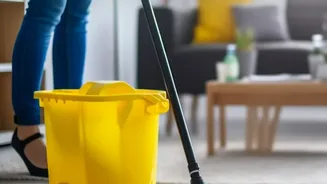
This is where the 'one zone at a time' approach becomes invaluable. The logic is simple: instead of cleaning the entire house at once, focus on one contained area or room. Clean it thoroughly, then—and this is the most important step—keep your pet out of that zone until all surfaces are completely dry. This prevents them from walking across wet floors treated with cleaning agents and then licking the residue from their paws. It also minimises their inhalation of any fumes. This methodical approach creates a rolling 'safe route' through your home, ensuring your pet is never directly exposed to wet chemicals.
Zone 1: The Kitchen
The kitchen is a hub of activity, grease, and food spills, making it a priority cleaning zone. Instead of harsh chemical degreasers, consider safer alternatives. A simple solution of one part white vinegar to one part water in a spray bottle works wonders on countertops and surfaces, cutting through grease effectively. For scrubbing tough stains on sinks or stovetops, a paste made from baking soda and water is a non-toxic abrasive. When mopping the floor, opt for a pH-neutral, pet-safe floor cleaner or a highly diluted vinegar solution, ensuring the floor is dry before your pet is allowed back in.
Zone 2: Living Areas and Bedrooms
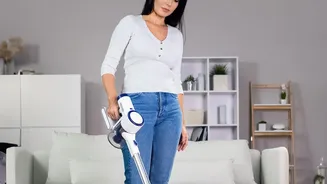
These are high-traffic, high-fur areas. Frequent vacuuming, ideally with a machine that has a HEPA filter, is your best defence against pet hair and dander. When it comes to cleaning hard floors, the same pet-safe solutions used in the kitchen apply. For carpets, which can act as a reservoir for cleaning residues, be extra cautious. If you use carpet shampoos or spot cleaners, look for products specifically marked as pet-safe. A great DIY alternative for deodorising carpets is to sprinkle baking soda, let it sit for 15-20 minutes, and then vacuum it up thoroughly. For fabrics and upholstery, a simple lint roller or a damp rubber glove can quickly remove fur.
Zone 3: The Bathroom
Bathrooms often involve the strongest chemicals, particularly for disinfecting toilets and tackling mildew. Many toilet bowl cleaners contain corrosive acids that can cause severe burns if a pet drinks from the bowl. A safer way to clean the toilet is to use baking soda and vinegar. Pour baking soda into the bowl, add vinegar, let it fizz and scrub. For surfaces and tiles, your all-purpose vinegar and water spray is again a great choice. The natural antibacterial properties of vinegar help to disinfect without the harshness of bleach. Always remember to keep the bathroom door closed while cleaning and until everything has been rinsed and dried.
Choosing Products and DIY Alternatives
Reading labels is crucial. Look for terms like 'pet-safe', 'non-toxic', and 'plant-based'. Avoid products listing ammonia, chlorine, phenols, and phthalates (often hidden as 'fragrance'). Creating your own cleaners is also an easy and cost-effective option. Besides the vinegar and water spray, you can make a glass cleaner by mixing water and a few tablespoons of lemon juice. For a gentle scrubbing solution, baking soda is your go-to ingredient. These simple, natural ingredients can handle the vast majority of your daily cleaning needs without putting your beloved pet at risk.