



A Symphony of Rain and Rock
This isn't the gentle pitter-patter of a city shower. This is a deluge. In Sohra, the town locals call Cherrapunji, the monsoon has reached its annual crescendo. The landscape, already a permanent shade of lush green, is now surrendering to the sheer
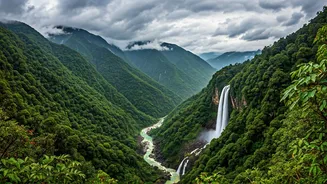
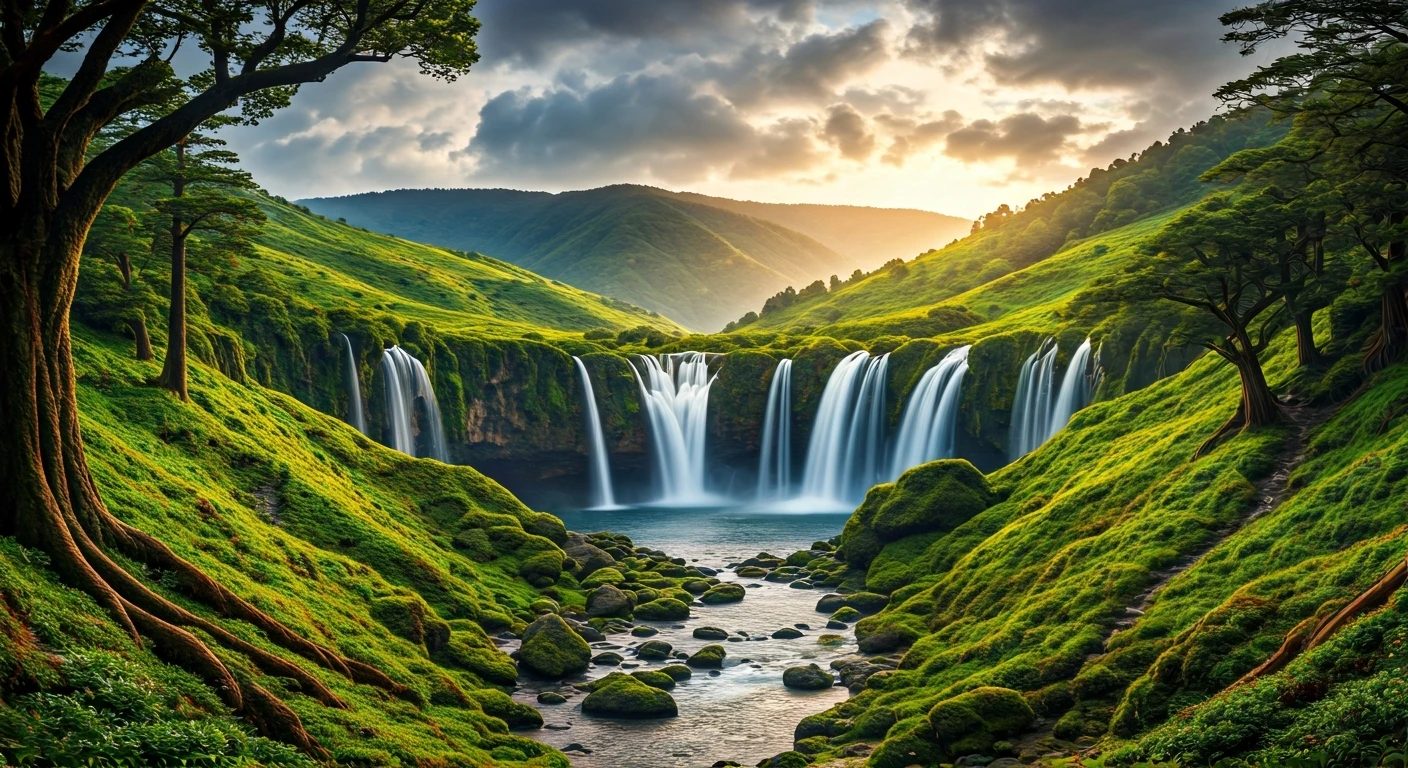
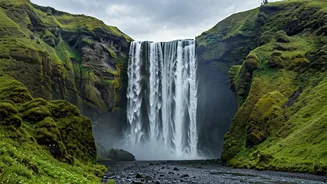
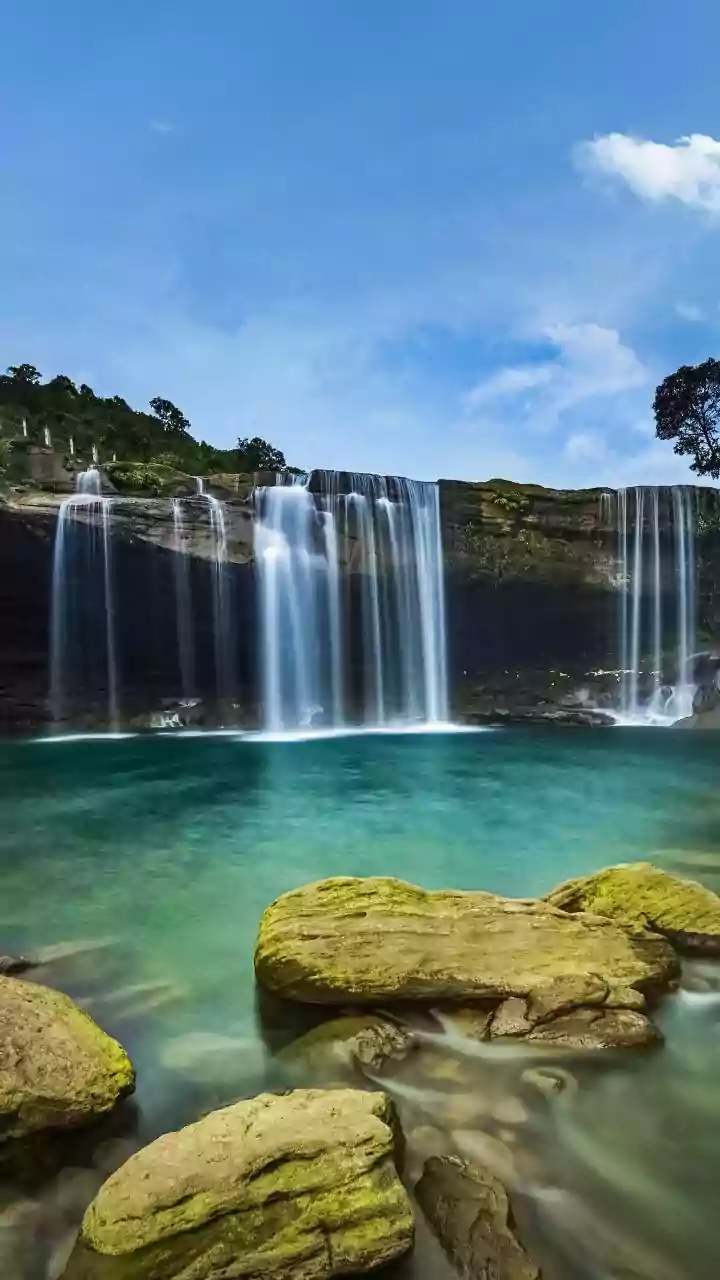
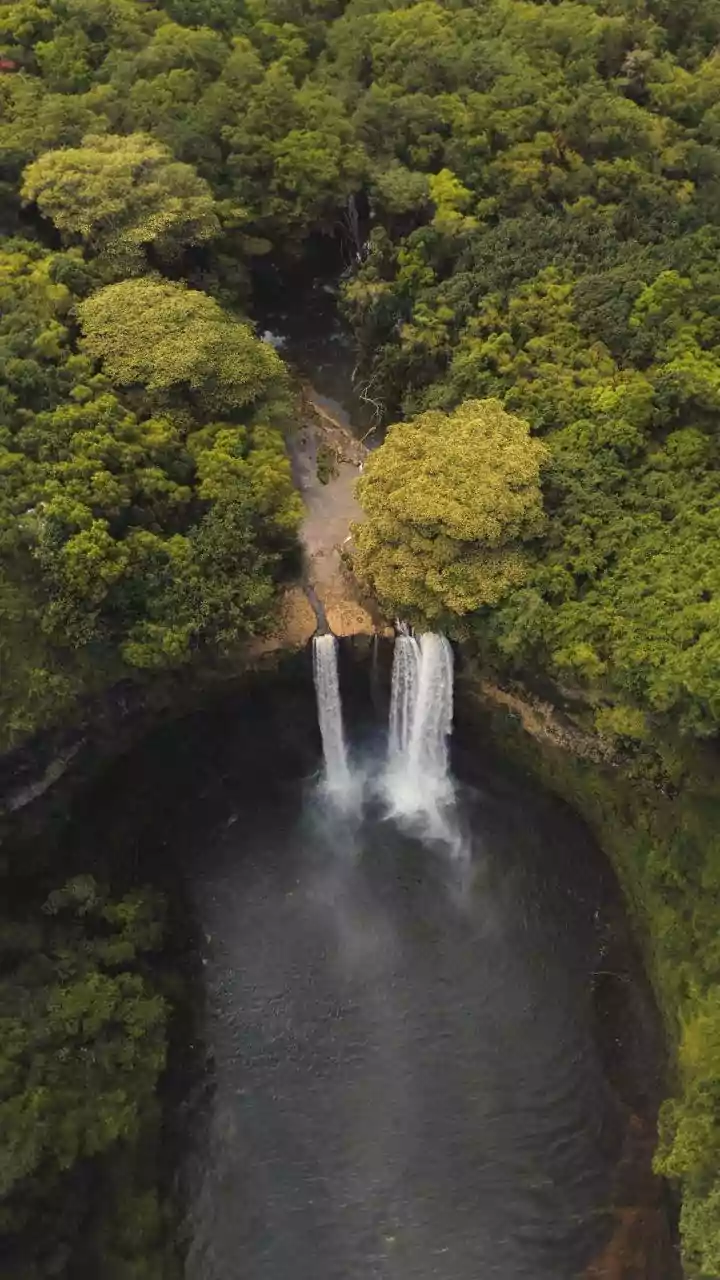
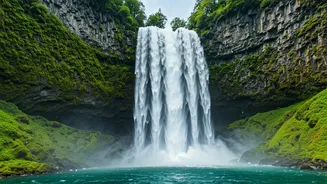
force of water. Rivers have swollen into torrents, and the region's famed waterfalls are putting on a spectacle of raw, untamed power. Reports and visuals emerging from Meghalaya show cascades that are usually graceful ribbons of white now transformed into roaring, mud-brown monsters, plunging over cliffs with a force that kicks up a perpetual cloud of mist, drenching everything for hundreds of metres around. The air is thick with moisture and the thunderous sound of millions of litres of water crashing every second.
The Geographic Miracle of Sohra
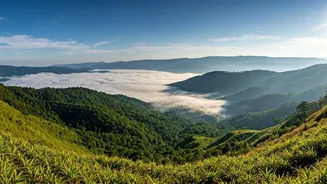
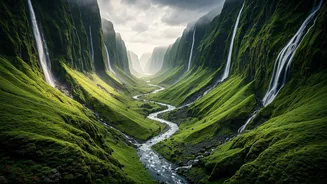
Why does this one small corner of India experience such an extreme natural phenomenon? The answer lies in its unique geography. Sohra sits on a plateau in the Khasi Hills. During the monsoon, moisture-laden winds sweep north from the Bay of Bengal, unhindered across the plains of Bangladesh. The Khasi Hills are the first major barrier they encounter. Forced to rise rapidly, the clouds cool and condense, dumping their biblical quantities of rain onto the plateau. This process, known as orographic lift, is the engine behind Sohra's fame as one of the wettest places on Earth. The result is a landscape carved by water, where every cliff and gorge seems to host a waterfall waiting for the rains to bring it to life.
The Stars of the Show
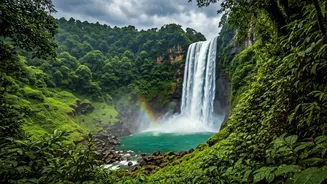
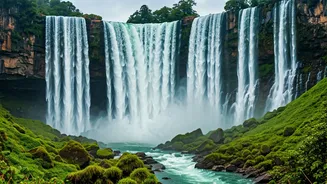
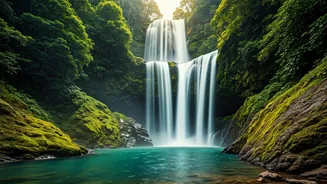
While countless unnamed streams are currently raging, the famous waterfalls are the main attraction. The Seven Sisters Falls, or Nohsngithiang Falls, which in the dry season can be seven separate, delicate streams, have merged into one gigantic, formidable curtain of water. It's a wall of white fury cascading down the limestone cliffs. Nearby, the Nohkalikai Falls, India's tallest plunge waterfall, tells an even more dramatic story. Named after a tragic legend of a mother who leapt to her death, the falls are currently at their most ferocious. The single, powerful plunge is now a deafening, mesmerising torrent that seems to shake the very earth it plummets towards, its destination a turbulent, turquoise pool obscured by its own spray.
Living with the Deluge
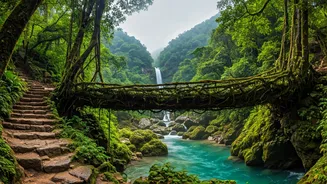
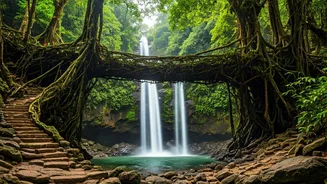
For the local Khasi people, this annual display is a part of life's rhythm. It is both a blessing and a challenge. The rains are the lifeblood of the region, feeding the ecosystem and creating the stunning landscapes that attract tourists. The living root bridges, a marvel of indigenous bio-engineering, are a testament to the local ingenuity in adapting to this water-logged world. However, the peak monsoon also brings significant hardships. Landslides are a constant threat, often cutting off roads and isolating villages. Daily life slows down, and the constant dampness seeps into everything. For residents, the roar of the waterfalls is not just a tourist spectacle; it's the soundtrack to a season of both abundance and caution.