





Bridging a Critical Safety Gap
Until recently, the optional travel insurance scheme offered by Indian Railways was a privilege reserved for those who booked their tickets online via the IRCTC website or app. This left a large number of passengers—those who rely on physical booking
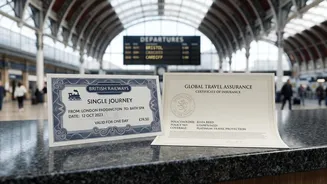
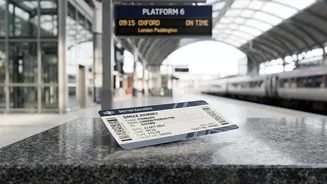
counters—without access to this important financial protection. In a significant move for passenger welfare, the Supreme Court of India has directed Indian Railways to extend travel insurance to all tickets purchased from counters, making the coverage mandatory for all passengers starting October 27, 2026. This ruling addresses a long-standing disparity and ensures that every passenger, regardless of how they buy their ticket, has a safety net in case of an unfortunate incident.
Who Stands to Benefit Most?
This decision will directly impact millions of people who still prefer or depend on traditional ticketing methods. While online bookings have surged, with recent data showing over 80% of tickets being booked digitally, a substantial 11-15% are still purchased at counters. This segment includes a diverse group: people in rural areas with limited internet access, elderly citizens who may not be comfortable with digital transactions, and anyone who makes last-minute travel plans by visiting a station. By making insurance universal, the new rule promotes inclusivity and recognises that the risk of travel is the same for everyone, whether they book on a smartphone or stand in a queue.
Understanding the Insurance Coverage
The travel insurance provided is comprehensive, offering significant financial support for a very low premium, which was previously around 45 paise for online bookings. The coverage is designed to assist passengers and their families during emergencies arising from train accidents or other 'untoward incidents' as defined by the Railways Act. The policy typically provides a sum of ₹10 lakh in the event of death or permanent total disability. For permanent partial disability, the coverage is up to ₹7.5 lakh, and it also includes up to ₹2 lakh for hospitalisation expenses and ₹10,000 for the transportation of mortal remains. This coverage applies from the moment a passenger begins boarding the train until they have completed their journey by disembarking.
How the New System Will Work
The Supreme Court has made the Railway Board directly responsible for implementing this new directive by the October 27 deadline. While the exact mechanism for counter tickets is being finalised, the goal is to make the process seamless. Previously, online bookers had to opt-in and were then required to fill in nominee details via a link sent by the partnered insurance company. It is expected that a similar, simplified process will be established for counter bookings, likely involving the collection of basic details like a mobile number at the time of purchase to facilitate policy issuance and communication. The key change is that this will no longer be an optional add-on but a mandatory feature integrated into every ticket sale.
A Landmark Step for Passenger Welfare
This directive is more than just an administrative change; it represents a significant step forward in passenger rights and safety. The move came after the Supreme Court expanded the scope of a plea filed following the tragic Odisha train accident in 2023, looking into broader safety issues like anti-collision systems and track fencing. By mandating insurance for all, the court reinforces the principle of equitable protection. It ensures that in the unfortunate event of an accident, every passenger's family has access to immediate financial relief, reducing the burden during a time of immense distress. It elevates the standard of care for the national transporter, building greater trust and confidence among the millions who rely on Indian Railways every day.