





What Qualifies as a Travel Emergency?
First, let's define our terms. A travel emergency fund is not your general vacation spending money. It is a separate financial safety net specifically for unforeseen crises that could derail your trip and your budget. Think of costs like emergency medical
care, last-minute flight changes due to unforeseen circumstances, or needing to replace essential lost items. It's a buffer between a minor hiccup and a major financial headache. Keeping this fund separate from your daily transaction account and your primary savings is crucial. This separation prevents you from accidentally spending your emergency cash on a nice dinner or a souvenir. The goal is to make the money accessible in a crisis but not so easy to dip into that you're tempted to use it for non-emergencies.
Determine Your Savings Goal
Before you start saving, you need a target. While a general emergency fund for life at home should cover three to six months of living expenses, a travel-specific fund can be more tailored. A common recommendation is to set aside 10-20% of your total trip cost for emergencies. For a ₹50,000 trip, that would mean a fund of ₹5,000 to ₹10,000. However, this figure depends on your destination, the length of your trip, and your personal comfort level. If you're travelling to a remote area or a country with expensive healthcare, a larger cushion is advisable. Don't feel overwhelmed by the final number; remember that any amount saved is better than nothing.
Automate and Forget
The single most effective way to save without feeling the impact is to make it automatic. Financial experts agree that automating your savings removes the mental effort and ensures consistency. You can set up a recurring transfer from your primary bank account to a separate savings account. Schedule this transfer for your payday, so the money is set aside before you even have the chance to miss it. Many employers also allow you to split your direct deposit, sending a small percentage of your paycheck directly into your travel fund account. By setting up these automated systems, you put your savings plan on autopilot, allowing it to grow steadily in the background.
Embrace Micro-Saving Strategies
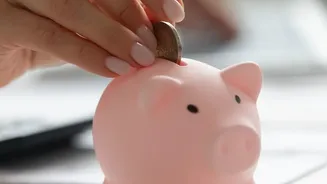
You don't need to make drastic cuts to your budget. Instead, focus on small, almost invisible saving methods. The 'round-up' feature offered by many banking apps is a perfect example. Every time you make a purchase, the app rounds the amount up to the nearest ten or hundred and transfers the difference into your savings. A coffee that costs ₹185 would result in a ₹5 or ₹15 transfer. It seems insignificant, but these small amounts add up surprisingly quickly. Another strategy is to identify one small, recurring expense to cut—like a streaming service you rarely use or one less takeaway meal per month—and redirect that exact amount into your emergency fund.
Dedicate 'Found Money'
Throughout the year, you likely come across small windfalls of 'found money'. This could be a tax refund, a small work bonus, cashback from a credit card, or even a cash gift for a festival. Instead of absorbing this money into your daily spending, make a rule to immediately transfer a portion—or all of it—into your travel emergency fund. This approach doesn't impact your regular budget at all, as it’s money you weren't counting on for your monthly expenses. It provides a powerful, periodic boost to your savings goal without any sense of sacrifice.
Choose the Right Home for Your Fund
Where you keep your fund is important. The ideal place is a high-yield savings account that is separate from your primary checking account. This keeps the money liquid and accessible when you need it, but the separation adds a psychological barrier to prevent casual spending. A high-yield account also allows your money to grow slightly through interest, helping it keep pace with inflation. Ensure the account is FDIC-insured (or the equivalent in your country) and has easy mobile or online access, so you can transfer funds quickly from anywhere in the world during an emergency.