







Your Phone is Your First Line of Defence
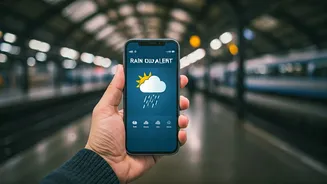
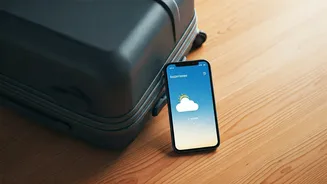
The first step in any strategy is good intelligence. Today, that means leveraging the technology in your pocket. Beyond generic forecasts, a new generation of weather apps provides granular, real-time data crucial for commuters. The government's official
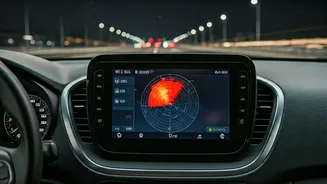
MAUSAM app, from the India Meteorological Department (IMD), offers reliable alerts on rainfall, thunderstorms, and other severe weather. Private players like Skymet and AccuWeather offer hyper-local features, sometimes down to minute-by-minute precipitation forecasts. The key is to move beyond simply knowing it will rain. Use these apps to understand the intensity and timing. An alert for a heavy downpour between 8 and 9 AM allows you to decide whether to leave earlier, later, or switch to a different mode of transport entirely. Some navigation apps are also integrating real-time flood and waterlogging reports, turning your map into a dynamic tool for avoiding trouble spots.
The Pre-Departure Drill
A successful monsoon commute begins before you even step out the door. The ten minutes after you check the alerts are critical. First, build and maintain a 'monsoon kit'. This isn’t just an umbrella; it's a waterproof bag for your electronics, a power bank, a small towel, and perhaps a change of socks or even a full change of clothes to be kept at the office. Many seasoned Mumbai commuters adopt a strategy of wearing quick-drying shorts and waterproof sandals for the journey and changing into formal wear upon reaching the office. Before you leave, check multiple route options. That main road that’s a breeze on a sunny day might be the first to flood. Have a backup plan involving public transport, even if you usually drive. A quick check of social media for updates from local traffic police or municipal corporations can also provide invaluable on-the-ground information that apps might miss.
Choosing Your Mode: A Risk-Reward Matrix
During heavy rain, every mode of transport comes with its own set of risks and rewards. Two-wheelers become extremely hazardous due to slippery roads, reduced visibility, and the danger of unseen potholes hidden by water. Cars offer protection from the rain but are vulnerable to waterlogged streets and massive traffic jams, turning a 30-minute drive into a two-hour ordeal. App-based cabs and auto-rickshaws face the same traffic, with the added frustration of surge pricing and frequent cancellations. Public transport, like local trains in Mumbai or the Metro in Delhi and Bengaluru, often becomes the most resilient option. While they may be overcrowded and experience some delays, they are less likely to be completely halted by flooded roads. The strategic choice involves weighing the weather alert's severity against your personal risk tolerance and the reliability of the public transport network in your specific area.
On-the-Go Tactics for Urban Survival
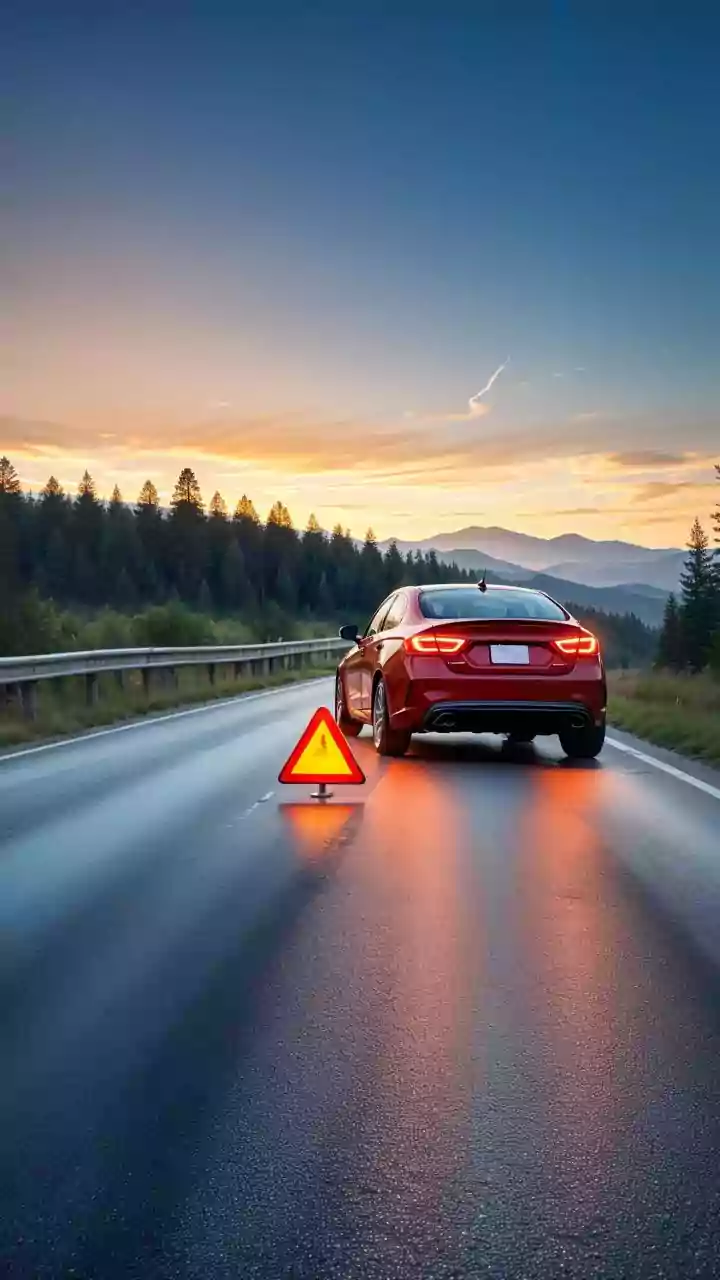
Once you are on your way, the strategy shifts to active navigation and safety. If you are driving or riding, the cardinal rule is to slow down; braking distances increase significantly on wet surfaces. Never attempt to drive through a flooded underpass or a stretch of road where you cannot gauge the water's depth. It can stall your vehicle and pose a serious safety risk. Pedestrians and those using public transport should be mindful of their surroundings. Waterlogging can hide open manholes or uneven surfaces. When waiting for a bus or auto, avoid standing too close to the road to prevent being splashed by passing vehicles. Keeping a set of dry clothes and formal shoes at your office is a simple but highly effective tactic that separates the monsoon veteran from the novice. This allows you to travel in more practical rain-appropriate gear and arrive at work comfortable and dry.
The Ultimate Strategy: The Work-From-Home Gambit
The most effective commuting strategy is sometimes not to commute at all. In the post-pandemic era, flexible work arrangements have become a crucial tool for navigating monsoon disruptions. When the IMD issues a red or orange alert, the safest and most logical choice is to work from home. Companies are increasingly recognizing this, with many now offering flexible hybrid models during the monsoon to ensure employee safety and maintain productivity. However, this option isn't always readily available, as some corporate policies have been criticized for being too rigid. The key is to have a proactive conversation with your manager before the season starts. Frame it as a matter of safety and productivity; the hours saved from a gridlocked, waterlogged commute can be repurposed for a more focused workday at home. When the alerts are severe, staying home isn't laziness—it's the smartest strategic move you can make.