




The El Niño Threat to India
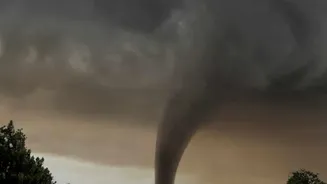
El Niño is a naturally occurring climate pattern characterized by the warming of sea surface temperatures in the central and eastern Pacific Ocean. For India, this phenomenon is far from a distant abstraction. A strong El Niño is often linked to a weaker
southwest monsoon, which is the lifeblood of the country's agriculture. Projections for 2026, for example, indicate a high probability of below-normal rainfall, which could lead to widespread drought conditions, particularly in northwest and central India. The consequences are severe: strained water reservoirs, reduced crop yields, food price inflation, and increased stress on the economy. Beyond drought, El Niño can also amplify heatwaves and disturb public health by creating conditions favorable for the spread of diseases like dengue.
From Reaction to Proactive Resilience
Responding to an El Niño-induced drought or flood as it happens is a crisis. Building the capacity to withstand these shocks before they occur is adaptation. Climate adaptation is not about preventing El Niño itself, which is a natural event, but about reducing a nation's vulnerability to its impacts. This involves a fundamental shift from short-term relief efforts to long-term, strategic investments in systems, infrastructure, and communities. These strategies aim to create a buffer that can absorb the shocks of extreme weather, ensuring that a weak monsoon does not automatically translate into a national catastrophe. It's about building a foundation of resilience from the village level up.
Future-Proofing Indian Agriculture
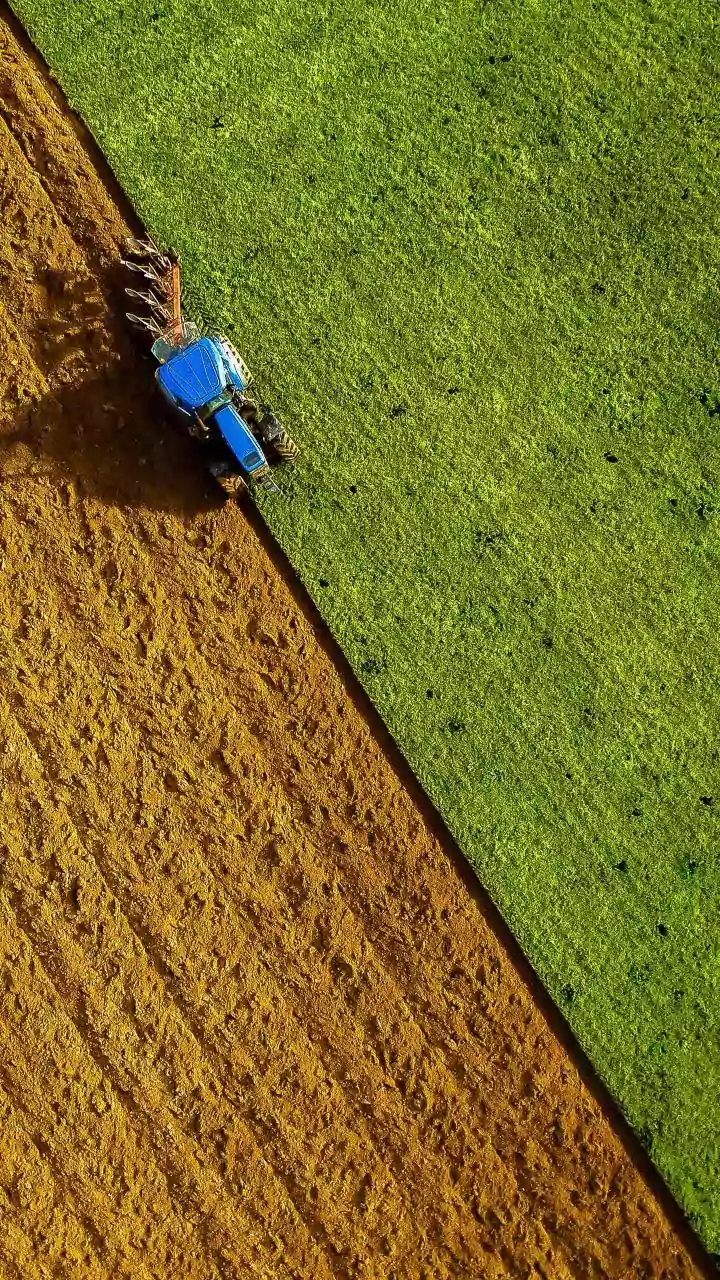
With half of India's agriculture being rain-dependent, this sector is on the front lines. Adaptation here is critical. A key strategy is the adoption of drought-tolerant and less water-intensive crop varieties, such as millets and certain pulses. Farmers are increasingly encouraged to diversify their crops and alter planting schedules based on monsoon forecasts, reducing the risk of a single crop failure devastating their livelihood. Practices like crop rotation improve soil health and resilience. On a larger scale, promoting efficient irrigation methods like drip and sprinkler systems can drastically cut water consumption compared to traditional flood irrigation, ensuring that every drop is used effectively. Financial tools like crop insurance are also vital, providing a safety net for farmers against climate-related losses.
Securing India’s Water
A weak monsoon puts immense pressure on India's water resources. Adaptation must therefore focus on aggressive water conservation and management. This includes reviving traditional methods like rainwater harvesting through the construction of check dams, ponds, and tanks to capture precious monsoon runoff for use during dry spells. On a community level, watershed management and the rejuvenation of small rivers and local water bodies are crucial for replenishing groundwater and maintaining regional water cycles. In urban areas, policies promoting water efficiency and recycling are just as important to manage demand. These demand-side measures can often be implemented faster and more cost-effectively than large new infrastructure projects.
The Power of Prediction and Policy
You can't adapt to a threat you can't see coming. Advances in climate science have dramatically improved the ability to forecast El Niño events months in advance. India is leveraging this with its own satellite technology, like ISRO's Oceansat-3, to monitor the oceanic and atmospheric signs of a developing El Niño. These early warning systems are invaluable, allowing governments and farmers to make informed decisions. For these warnings to be effective, they must be translated into action through clear government policies and support. This includes everything from providing farmers with climate-resilient seeds and weather advisories via mobile apps to implementing heat action plans in cities, like the successful model pioneered by Ahmedabad.