





The Magic of the Blue Mountains
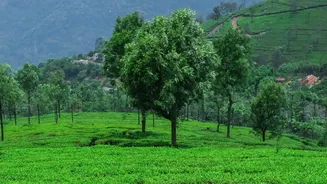
The Nilgiris, or Blue Mountains, of Southern India are a tea-growing region unlike any other. Often overshadowed by Darjeeling or Assam, this area's high-altitude estates, some over 6,000 feet, produce teas with a uniquely bright, clean, and aromatic
character. The cool, misty climate allows the tea leaves to develop a balanced flavor profile that is less astringent than many other black teas. This makes them an ideal canvas for cold brewing, a method that highlights their inherent fruity and floral notes. For generations, producers like Chamraj, Kairbetta, and Korakundah have cultivated premium orthodox teas, which are now being discovered by a new wave of artisans for their incredible performance when brewed cold.
It Starts with the Right Leaf
The secret to a great cold brew isn’t just the region; it's the meticulous selection of the tea itself. Producers don't use the fine-particle dust tea reserved for strong, milky chai. Instead, they favor high-quality, whole-leaf orthodox teas. These larger leaves unfurl slowly in the water, releasing their flavor gently. Artisans look for specific qualities: a bright, fragrant aroma and a flavor profile that promises notes of fruit or flowers. While black teas are a popular choice for their rich and rounded character, lighter oolongs and even green teas from the region are also used. The goal is to choose a leaf that has enough character to create a flavorful brew without releasing the bitter compounds, called tannins, that hot water so easily extracts.
The Art of the Slow Steep
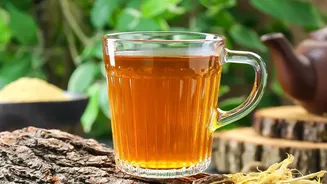
Unlike traditional iced tea, which is brewed hot and then cooled, artisanal cold brew never touches hot water. The process is a study in patience. Producers combine the chosen tea leaves with cold, often filtered, water in large containers. The ratio is key, typically around 1 to 1.5 teaspoons of loose leaf tea per 8 ounces of water, though this is adjusted based on the specific tea. The mixture is then left to steep in a refrigerated environment for an extended period—anywhere from 8 to 12 hours, and sometimes even longer. This slow, gentle infusion coaxes out the tea's natural sweetness and complex aromatics while leaving behind much of the caffeine and bitterness. The result is an incredibly smooth, clean-tasting beverage that is fundamentally different from a hot-brewed tea that has been chilled.
Naturally Sweet, No Sugar Needed
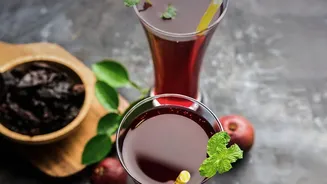
One of the most appealing aspects of Nilgiri cold brew is that it’s inherently low in sugar. The cold-steeping process naturally highlights the sweeter, more delicate flavor compounds in the tea leaves, creating a drink that often requires no added sweetener at all. For their flavored varieties, artisanal producers don't reach for sugary syrups. Instead, they infuse the brew with natural ingredients. Slices of fresh fruit, fragrant herbs like mint or lemongrass, or spices are added to the container at the beginning of the steeping process. As the tea slowly infuses, so do these additions, lending their essence to the final product in a subtle, integrated way. This technique produces a complex, layered flavor that is refreshing and sophisticated, without the need for refined sugar.