



Start with Forgiving Friends
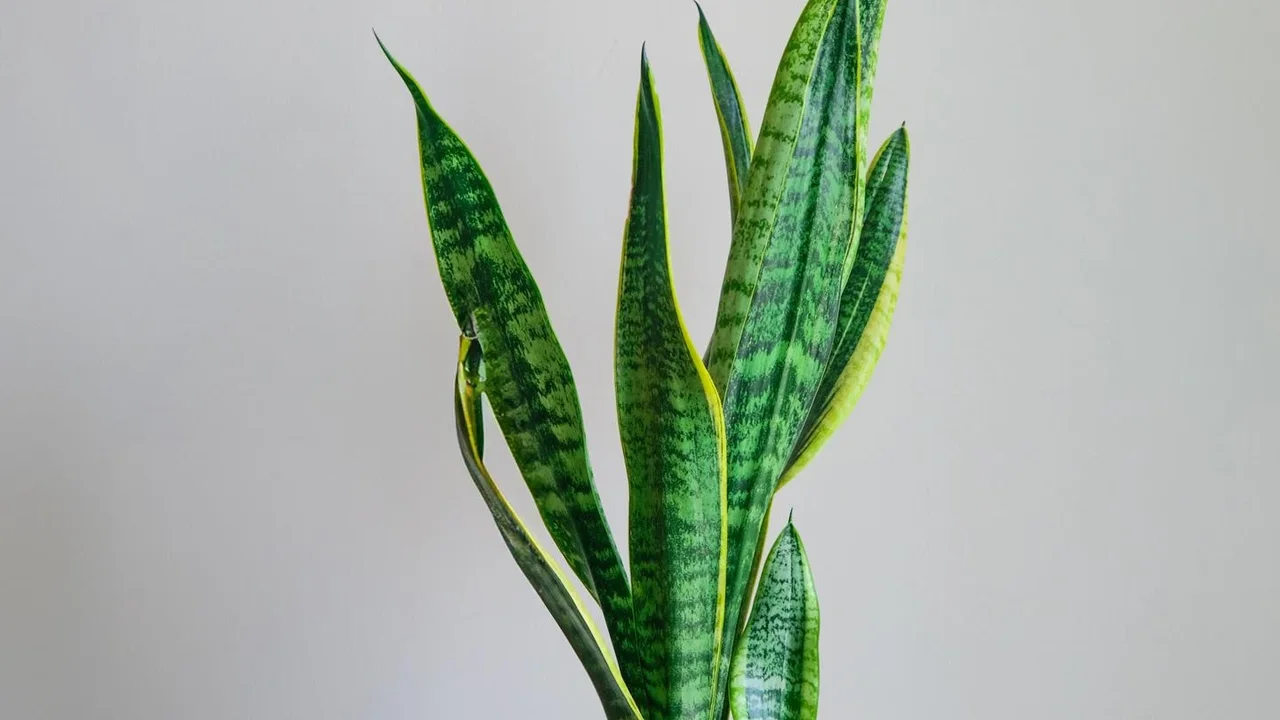
The first step to building confidence is choosing a plant that can handle a bit of a learning curve. Not all houseplants are created equal; some are notoriously fussy, while others are wonderfully resilient. For beginners, it's wise to start with low-maintenance
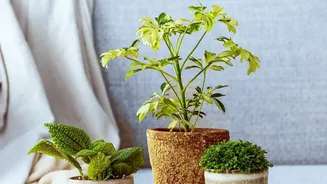
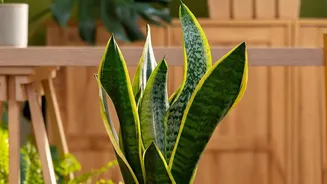
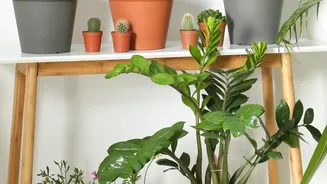
varieties known for their forgiving nature. Plants like the Snake Plant (Sansevieria), ZZ Plant (Zamioculcas zamiifolia), and Pothos (Epipremnum aureum) are excellent choices. These varieties can tolerate a range of lighting conditions and aren't overly demanding about their watering schedule, making them perfect starter plants. Starting with an easy-care plant allows you to learn the ropes of plant ownership without the constant stress of a delicate species. Success with your first plant builds the momentum and confidence to tackle more challenging varieties later on.
Master the Art of Watering
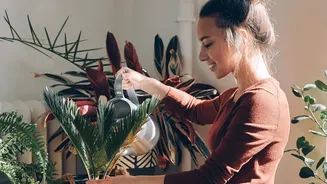
More houseplants are lost to overwatering than any other cause. New owners often show their love with too much water, but this suffocates the roots, preventing them from accessing oxygen and leading to root rot. Instead of watering on a rigid schedule, like every Sunday, learn to check the soil first. The most reliable method is the finger test: stick your finger about two inches into the soil. If it feels dry at that depth, it's time to water. If it's still moist, wait a few more days. When you do water, do it thoroughly. Pour water over the soil until it freely drains from the bottom of the pot. Then, be sure to empty the saucer underneath so the plant isn't left sitting in a puddle. This 'deep soak' method encourages strong root growth, while letting the soil dry out prevents deadly rot.
Let There Be (the Right) Light
Light is a plant's food, and providing the right amount is crucial for its health. A common beginner mistake is placing a plant in a spot that looks good aesthetically but doesn't meet its light needs. 'Low light' doesn't mean 'no light'; it typically refers to a spot in a room that receives no direct sun but is still bright enough to read in comfortably. Before you buy a plant, observe the light in your home. A south-facing window will offer bright, direct light for much of the day, which is perfect for sun-lovers like succulents but will scorch many tropical plants. An east-facing window provides gentle morning sun, while a west-facing window gets strong afternoon sun. Most houseplants thrive in 'bright, indirect light'—a well-lit spot where the sun's rays don't fall directly on the leaves. Matching the plant to your available light is half the battle won.
The Foundation: Pot and Soil
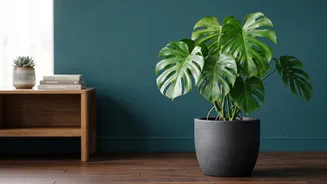
The right container and soil are just as important as water and light. First and foremost, ensure your pot has a drainage hole. Without it, excess water has nowhere to go, creating a swampy environment that will quickly lead to root rot, no matter how carefully you water. If you fall in love with a decorative pot that has no holes, you can use it as a 'cachepot' by placing a slightly smaller plastic nursery pot with drainage inside it. The type of soil also matters. Most houseplants do well in a standard, high-quality potting mix designed for indoor plants, which is formulated to retain some moisture while allowing for good drainage. Avoid using garden soil, which is too dense, compacts easily in pots, and can introduce pests. Giving your plant's roots the right home is a foundational step for long-term health.
Patience Is a Virtue
Finally, be patient with your new plant and with yourself. When you first bring a plant home, it needs time to acclimate to its new environment—a process that can take a few weeks. Don't be alarmed if it drops a leaf or two during this transition. Similarly, avoid the temptation to repot your new plant immediately unless it is clearly root-bound (with roots circling the pot or growing out of the drainage holes). Repotting too soon can add unnecessary stress. The best skill a new plant parent can develop is observation. Pay attention to your plant. Are the leaves drooping? It might be thirsty. Are they turning yellow? That could signal overwatering. Learning your plant's cues is part of the journey and the key to a long and happy relationship.