





The Paradise We're Losing
Picture this: a long weekend, a car packed with enthusiasm, and a dream of misty mountains. The reality, as many tourists across India are finding, is often a nightmare of logistics. Hill stations like Shimla, Manali, and Mussoorie, once serene retreats,
are now grappling with a crisis of their own popularity. Overtourism has transformed these idyllic escapes into congested urban sprawls, where the scent of pine is replaced by exhaust fumes. The very things we seek—peace, clean air, and natural beauty—are being eroded by the sheer volume of visitors. Local infrastructure, much of it built for a fraction of the current population, is collapsing under the strain. Water shortages have become common during peak seasons, and waste management systems are overwhelmed, leading to pollution that scars the landscape and contaminates rivers. The mad dash to a crowded viewpoint, only to jostle for a selfie, has become a hollow substitute for genuine connection with nature. This cycle of high-impact, low-satisfaction tourism is prompting a quiet rebellion among travellers who are starting to ask: is there a better way to unwind?
The Rhythmic Romance of the Rails
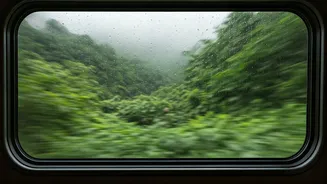
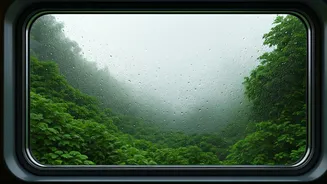
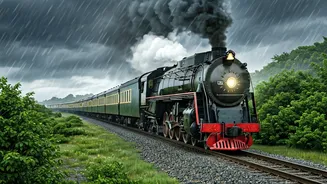
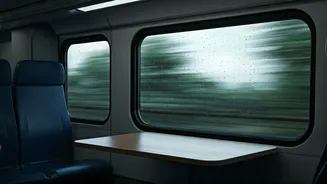
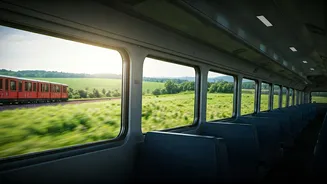
The answer might just be outside your window, on a train moving gently through the monsoon-drenched countryside. While hill stations buckle, the Indian Railways offer an alternative that is both nostalgic and profoundly modern: the rain train. This isn’t about getting from Point A to B as quickly as possible. It's about embracing the journey itself as the destination. The rhythmic clatter of the wheels, the smell of wet earth, and the spectacle of a landscape washed clean and vibrant green create a meditative experience. Waterfalls spontaneously erupt from hillsides, rivers swell with life, and clouds hang low over valleys, creating a moving watercolour painting. Unlike a car journey focused on navigating traffic, a train trip allows you to simply watch, think, and breathe. It’s a forced slowdown in a world that’s always accelerating, offering a chance to reconnect not just with nature, but with a more relaxed pace of life. This is the essence of 'slow travel', a growing movement away from checklist tourism towards more immersive and meaningful experiences.
India’s Most Magical Monsoon Journeys
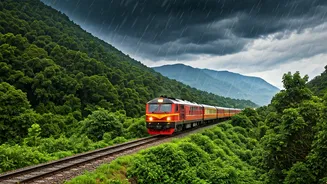
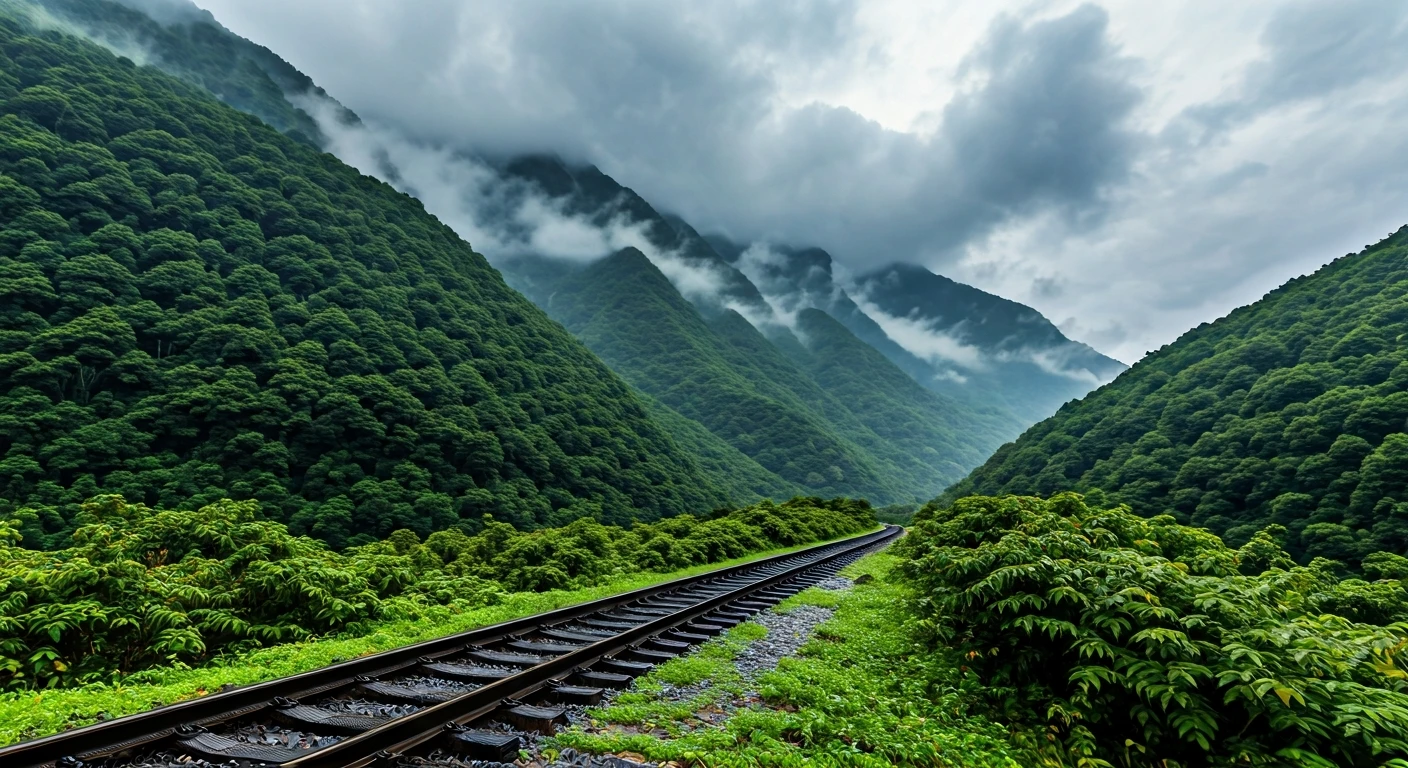
India is blessed with several train routes that transform into magical corridors during the monsoon. The Konkan Railway, an engineering marvel connecting Mumbai to Goa, is perhaps the most celebrated. The journey through the Western Ghats is a dramatic spectacle of lush greenery, over 90 tunnels, and countless bridges over roaring rivers. Another UNESCO World Heritage site, the Nilgiri Mountain Railway, or the Ooty 'toy train', offers a dream-like ascent through the mist-covered tea plantations of the south. The journey from Mettupalayam to Ooty is a slow, charming climb through dense forests and past dramatic waterfalls. Similarly, the Kalka-Shimla Railway winds through more than 100 tunnels, offering panoramic Himalayan views that are enhanced by the mystique of monsoon clouds. In the east, the Darjeeling Himalayan Railway provides spectacular views of tea gardens against the backdrop of the mighty Himalayas. These journeys aren't just train rides; they are curated experiences that showcase the country's staggering natural beauty at its most poetic.
A Shift in Travel Philosophy
Choosing a rain train over a crowded hill station is more than a logistical decision; it's a statement. It’s about valuing experience over acquisition, and connection over consumption. The trend towards 'slow travel' reflects a growing awareness of the environmental and social costs of overtourism. Travellers are increasingly seeking quieter, more authentic escapes that support local communities rather than overwhelming them. The monsoon, traditionally considered an 'off-season' for travel, is being rediscovered for its unique charm and tranquillity. The rain train is the perfect vessel for this new kind of tourism. It has a lower carbon footprint than mass road travel and encourages a more distributed form of tourism, bringing visitors through smaller towns and rural landscapes. By choosing the window seat of a train, travellers are voting for a more sustainable and ultimately more rewarding way to explore the beauty of India.