







The New Dining Anxiety: Seed Oils
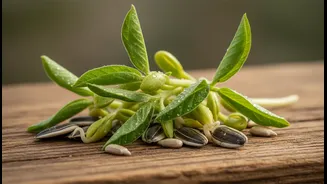
A new dietary villain has captured the attention of health-conscious consumers, especially younger generations active on social media. The culprit is 'seed oils,' a broad term for vegetable oils extracted from seeds. This includes common cooking fats
like sunflower, corn, soybean, canola, and grapeseed oil. The movement to avoid them is fuelled by wellness influencers and a growing belief that these highly processed fats are a primary driver of chronic inflammation, a condition linked to a host of modern health issues. This concern is now spilling over from online forums into real-world dining decisions, with patrons starting to question chefs and scan ingredient lists for these specific oils.
The Argument: Omega-6 and Inflammation
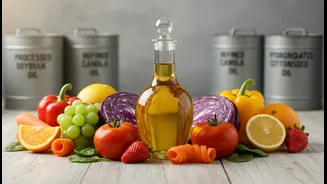
The core argument against seed oils centres on their high concentration of an omega-6 polyunsaturated fatty acid called linoleic acid. While our bodies need both omega-6 and omega-3 fatty acids to function, the modern diet has dramatically skewed the balance. Some researchers suggest that historical human diets had a ratio close to 1:1, but today's Western-style diets can be as high as 20:1 in favour of omega-6s. This imbalance is believed to be pro-inflammatory. The concern is that an excess of omega-6s can lead to the production of compounds that promote inflammation throughout the body, while the anti-inflammatory benefits of omega-3s are diminished. The industrial refining process—which often involves high heat and chemical solvents—is another reason critics cite for avoiding these oils.
What Does the Broader Science Say?
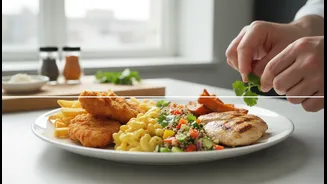
The debate is far from settled, and many mainstream health organisations maintain that seed oils can be part of a healthy diet. Several large-scale reviews and studies conclude that when used to replace saturated fats like butter, seed oils can help lower 'bad' LDL cholesterol and reduce the risk of heart disease. Many experts argue there isn't conclusive evidence that linoleic acid from seed oils directly causes harmful inflammation in the amounts typically consumed. The real issue, they suggest, isn't the oil itself but the company it keeps. Seed oils are ubiquitous in ultra-processed foods like chips, biscuits, and fast food. Therefore, the negative health outcomes associated with these foods might be due to their high content of sugar, refined starches, and sodium, rather than the oil being the primary villain.
The Trend in the Indian Context
In India, this global trend aligns with a renewed interest in traditional practices and ingredients. For generations, Indian cooking relied on regional fats like ghee (clarified butter), coconut oil, and cold-pressed mustard or groundnut oil. The widespread adoption of cheaper, refined vegetable oils was a relatively recent shift. Now, a growing number of consumers are returning to these traditional fats, viewing them as more natural and stable for high-heat Indian cooking methods like frying and tadka. This sentiment is giving rise to a niche but growing market for 'seed oil-free' products and even restaurants. A few establishments in cities like Chennai and Coimbatore have pioneered 'no oil' or 'zero-oil' cooking, attracting a health-conscious clientele by using alternative methods to deliver flavour without relying on any added fats.
How to Navigate Your Next Meal Out
For diners concerned about seed oil consumption, navigating restaurant menus can be tricky. Most commercial kitchens use versatile, cost-effective seed oil blends for their general cooking. The best approach is to ask directly. Politely inquire what oil the kitchen uses for frying or in its dressings. Health-focused cafes are often more transparent, frequently advertising their use of olive oil, coconut oil, or ghee as a selling point. When cooking at home, exploring cold-pressed (kachi ghani) oils like mustard, coconut, or groundnut can be a good alternative, especially for traditional Indian dishes. These oils are less processed and retain more of their natural nutrients, though it's important to use them within their appropriate smoke points.