



1. Balsam (Impatiens balsamina)
Often called 'Gulmehendi', Balsam is the quintessential monsoon flower. These plants adore the humidity and consistent moisture the season brings, producing a profusion of delicate flowers in shades of pink, red, purple, and white. They are incredibly
easy to grow from seed, often sprouting within a week. Their fast-growing nature means you get to enjoy a full, blooming pot in no time. For container gardening, choose a pot that is at least 8-10 inches wide to give it enough space. The key is to ensure excellent drainage to prevent the roots from sitting in water, which even this water-loving plant dislikes.
2. Hibiscus
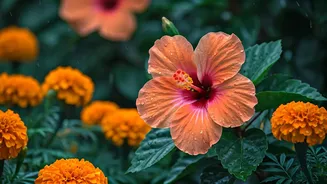
A staple in Indian gardens, the sturdy Hibiscus truly comes into its own during the monsoon. The increased humidity encourages lush foliage and a spectacular display of its large, showy blooms. While they are sun-loving plants, they can handle the intermittent cloudy days of the monsoon season. Potted Hibiscus requires well-draining soil—a mix of garden soil, compost, and sand works wonders. The rain will likely take care of most of your watering needs, but check the soil's moisture. If the top inch feels dry, it's time for a drink. The monsoon is also an ideal time to prune your Hibiscus to encourage bushier growth and more flowers.
3. Periwinkle (Vinca)
Known for its resilience, Periwinkle (Sadabahar) is a fantastic choice for beginner gardeners. These plants are famously drought-tolerant, but they also perform remarkably well during the monsoon, provided they are in pots with excellent drainage. The constant moisture encourages them to flower profusely. Their glossy green leaves and simple, star-shaped flowers in white or pink provide a cheerful pop of colour on grey, rainy days. They are low-maintenance and resistant to most pests, making them a hassle-free addition to your balcony garden. Just be cautious of waterlogging, as that's the one thing that can harm them.
4. Spider Plant (Chlorophytum comosum)
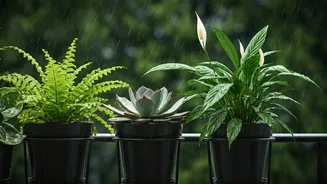
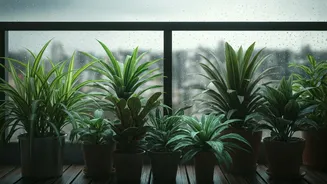
If you're looking for a non-flowering plant that adds texture and greenery, the Spider Plant is an unbeatable choice. It's almost indestructible and thrives in a variety of conditions, including the lower light and high humidity of the monsoon. Its arching leaves and cascading 'spiderettes' (baby plants) look beautiful in hanging baskets on a covered balcony. These plants are excellent air purifiers, making them a functional and aesthetic choice. They prefer their soil to be slightly moist but can rot if overwatered, so a pot with good drainage is crucial. The rain-washed leaves will look exceptionally fresh and vibrant.
5. Crepe Jasmine (Tabernaemontana divaricata)
Known as 'Chandni' in many parts of India, Crepe Jasmine is loved for its pinwheel-shaped, fragrant white flowers that seem to glow in the evening. This shrub loves the humid and moist conditions of the monsoon, which often triggers a burst of flowering. It can be easily grown and maintained in a large pot (at least 12-14 inches). It thrives in partial shade, making it perfect for balconies that don't receive harsh, direct sunlight all day. The delightful fragrance of the flowers after a fresh spell of rain is an experience in itself, transforming your outdoor space into a serene retreat.
Quick Tips for Monsoon Potting
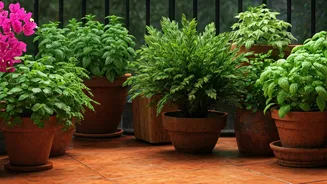
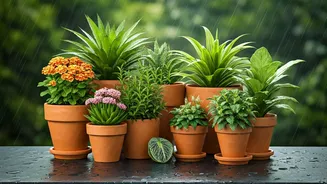
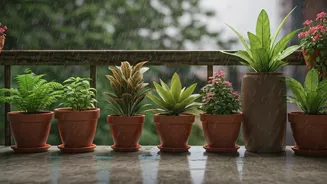
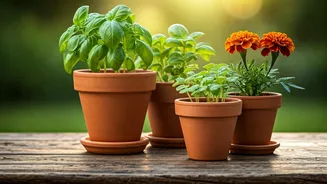
Regardless of the plant you choose, a few general rules will ensure your potted garden flourishes this monsoon. First, drainage is everything. Ensure every pot has at least one drainage hole, and consider adding a layer of broken pot pieces or gravel at the bottom before adding soil. Second, use a light, well-draining potting mix; heavy clay soil will retain too much water and lead to root rot. Finally, keep an eye out for pests like slugs and snails, which are more active in the damp weather. A little vigilance goes a long way in maintaining a healthy and happy monsoon garden.