





The Parisian Promise, Reimagined
Paris holds a special place in our collective imagination. It’s the city of lights, of artists and poets, of café terraces and strolls along the Seine. The fantasy often involves getting lost in a labyrinth of ancient streets, discovering a hidden bakery,
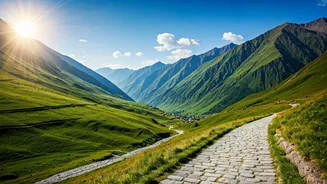
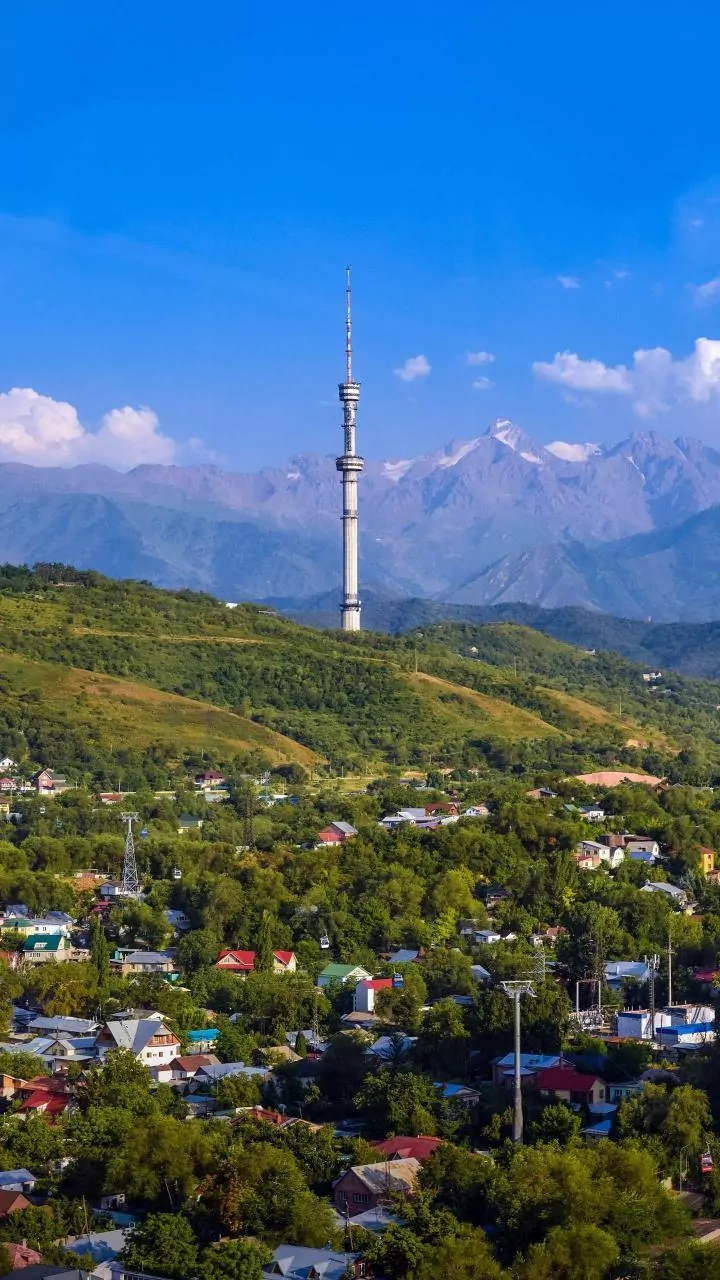
and feeling the weight of history under your feet. But what if you could have that same soul-stirring experience with a unique twist, for a fraction of the price? Enter Tbilisi. This ancient city, straddling the Mtkvari River and cradled by mountains, delivers the “historic cobblestone vibes” in spades. It replaces the Eiffel Tower with the Narikala Fortress and Champs-Élysées crowds with the warm, welcoming spirit of the Caucasus.
A Labyrinth of Old-World Charm
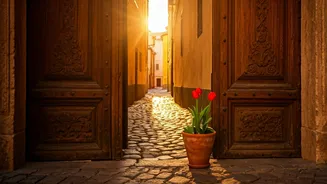
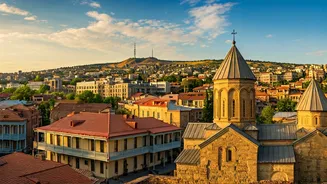
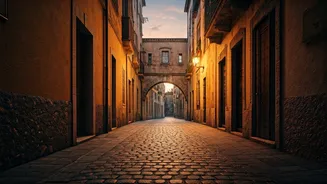
The heart of Tbilisi's appeal is Dzveli Tbilisi, the Old Town. This is where the comparison to a European dream comes alive, but with a distinctly Georgian accent. The streets are a delightful tangle of stone, leading you past churches dating back to the 6th century. What truly defines the cityscape are the intricately carved wooden balconies that hang precariously over the lanes, painted in a riot of colours. These are not just architectural features; they are symbols of the city’s history as a crossroads of empires—Persian, Ottoman, and Russian influences all converge here. Every corner reveals a new vista: a hidden courtyard, a crumbling façade blooming with flowers, or a sudden, breathtaking view of the river below. It’s a place built for wandering, for getting intentionally lost and finding something beautiful.
Beyond the Baguette: A Feast for the Senses
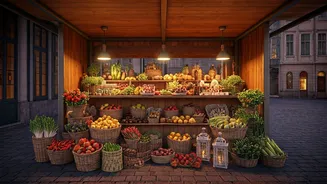
A trip to Paris is incomplete without its culinary rites of passage: croissants, coq au vin, and copious amounts of wine. Georgia’s answer to this is the ‘supra’, a traditional feast that is a cornerstone of its culture. The food is generous, flavourful, and deeply satisfying. Forget delicate pastries; here you will break open a steaming ‘khachapuri’, a boat-shaped bread filled with molten cheese and a runny egg yolk. You’ll learn the art of eating ‘khinkali’, juicy meat-filled dumplings that demand to be eaten by hand. And the wine? Georgia is widely considered the birthplace of winemaking, with an 8,000-year-old tradition of fermenting grapes in clay vessels called ‘qvevri’. A Georgian wine tasting offers a journey into ancient flavours that is every bit as complex and rewarding as a tour of Bordeaux.
A City with a Modern Pulse
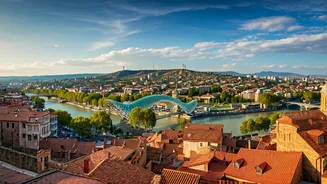
Tbilisi is not a city frozen in time. Running parallel to its ancient history is a vibrant, modern energy. The fall of the Soviet Union unleashed a wave of creative expression that is palpable today. Old factories have been converted into achingly cool cultural centres and hotels like Stamba. The sleek, modern Bridge of Peace arches over the river, a stone's throw from the ancient Metekhi Church. The city is dotted with speakeasy-style cocktail bars, independent art galleries, and a thriving electronic music scene that has gained international acclaim. This dynamic blend of old and new means you can spend your morning exploring a medieval fortress and your evening in a world-class techno club. It’s this living, breathing culture that prevents Tbilisi from ever feeling like a mere tourist museum.
The Practical Magic of Tbilisi
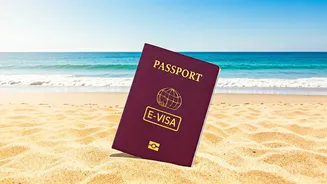
Perhaps the most compelling argument for choosing Tbilisi is its accessibility and affordability. For Indian travellers, Georgia offers a straightforward e-visa process, making entry relatively hassle-free. Once you’re there, your money goes significantly further than it would in Western Europe. A delicious, filling meal can be had for a few hundred rupees. A ride on the city’s clean and efficient metro costs next to nothing. You can stay in a stylish, centrally-located Airbnb or guesthouse for the price of a cramped budget hotel in Paris. This affordability doesn't mean compromising on quality; it simply means you can indulge in more experiences, from the famous sulphur baths in the Abanotubani district to day trips into the stunning Caucasian mountains.