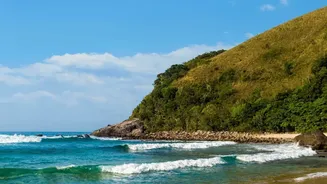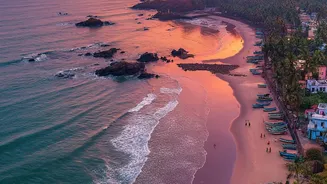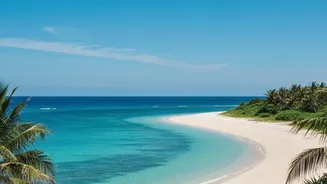







Goa's stunning coastline has a new reason to celebrate. For the first time, two of its famous beaches have been awarded the prestigious Blue Flag certification, an international honour recognizing the world's best-managed and cleanest beaches.
A Global Stamp of Approval
The 'global
list' in question is the coveted Blue Flag programme run by the Denmark-based Foundation for Environmental Education (FEE). This isn't just about pretty shores; it's one of the world's most recognized voluntary eco-labels for beaches, marinas, and tourism boats. To earn the Blue Flag, a beach must meet and maintain a stringent set of 33 criteria spanning four major categories: environmental education and information, bathing water quality, environmental management, and safety and services. The announcement on November 20, 2026, confirmed that Mandrem Beach in North Goa and Galgibaga Beach in South Goa had successfully met these high standards, officially joining an elite group of certified beaches across the globe. This marks a huge milestone for Goa, securing two awards in a single cycle and bringing India's total number of Blue Flag beaches to 24.
Meet the Winners: Mandrem and Galgibaga
The two beaches represent the diverse beauty of Goa's coastline. Mandrem, located in the quieter northern stretch, is celebrated for its serene atmosphere, scenic shoreline, and distinctive coastal vegetation. It offers a more peaceful alternative to the bustling party hubs further south, making it a favourite for those seeking tranquility. Galgibaga, in the far south, is equally stunning but holds a special ecological significance. It is a relatively undisturbed and protected environment, best known as a nesting site for the endangered Olive Ridley sea turtle. The certification here underscores the importance of balancing tourism with vital biodiversity conservation. For years, both locals and discerning travellers have considered these beaches among Goa's cleanest, and the Blue Flag award now makes it official.
What It Took to Earn the Flag
Achieving Blue Flag status is a rigorous process that requires dedicated effort and coordination. The Goa Tourism Department, along with the Forest Department and local bodies, worked to meet the demanding requirements. This included submitting comprehensive water quality reports to an international jury to prove that the bathing water was safe and clean, free from sewage or industrial discharge. Beyond water, the certification requires robust on-site management. This involves having proper waste disposal and recycling facilities, maintaining clean toilets and changing rooms, and ensuring the general cleanliness of the beach area. The process is a testament to a concerted effort to elevate environmental standards and management practices.
A Better Experience for Visitors
For tourists, the Blue Flag is a guarantee of quality. It signals that a beach not only has excellent water quality but also adheres to high safety standards. This includes having lifeguards, first-aid equipment, and clear information about the local environment and safety procedures. Furthermore, the criteria mandate accessibility for visitors with disabilities, ensuring the beach is welcoming to everyone. Entry to both Mandrem and Galgibaga will remain free and open to the public. Choosing a Blue Flag beach means you are visiting a location committed to providing a safe, clean, and environmentally responsible experience, allowing you to enjoy the sun and sand with peace of mind.
A Win for Sustainable Tourism
This international recognition is more than just an award; it's a pivotal moment for Goa's tourism model. For years, the state has grappled with balancing its popularity as a tourist hotspot with the need to protect its natural assets. The Blue Flag certification for Mandrem and Galgibaga represents a major step towards sustainable and regenerative tourism. According to Goa's Tourism Minister, Rohan Khaunte, it highlights the commitment to ensuring tourism development and environmental conservation go hand in hand. This achievement sets a new benchmark for other beaches in Goa, with the tourism department planning to extend these best practices to other coastal stretches. It's a clear signal that Goa is investing in a future where its greatest natural treasures are protected for generations to come.