



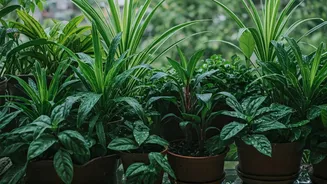


Essential Monsoon Gardening Care
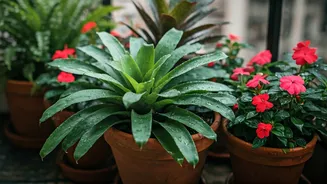
Before we dive into the plants, a few care tips are crucial for success during the rainy season. The biggest challenges are waterlogging, fungal diseases, and pests. [7] To combat these, ensure every pot and garden bed has excellent drainage. [20] Adding
sand or gravel to your soil mix can help. [17] It’s also wise to avoid watering on days it rains and to prune plants to improve air circulation, which helps prevent fungal growth. [7, 8] Applying a preventive layer of organic mulch can protect the soil and reduce weed growth. [17] A preemptive spray of neem oil can also keep pests and fungal issues at bay. [7, 19]
Hibiscus: The Tropical Star
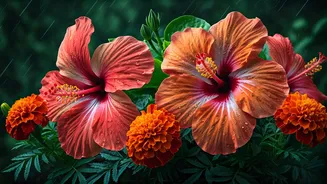
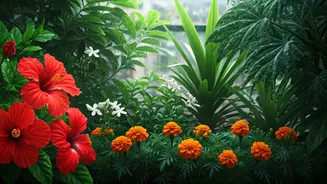
The hibiscus is a classic monsoon-loving plant that bursts into vibrant, large blooms during the rainy season. [3] Available in a dazzling array of colours like red, pink, and yellow, it thrives in the warm, moist climate. [12] The increased humidity encourages more flowers, making it a spectacular addition to any garden boundary or large pot. [2, 12] Hibiscus plants are relatively low-maintenance but benefit from regular pruning to encourage bushy growth and more blooms. [2] Ensure they are planted in well-drained soil and receive plenty of sunlight. [2, 12]
Marigold: The Cheerful Protector
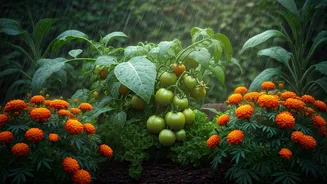
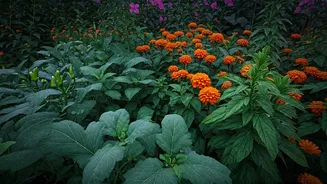
Marigolds are one of the most reliable and cheerful flowers for the monsoon. [2] Their bright yellow and orange hues bring a splash of sunshine to gloomy days. [12] Beyond their beauty, marigolds are famed for their pest-repelling properties, helping to protect neighbouring plants in your garden. [2, 18] These annuals are easy to grow from seed and can tolerate moderate rainfall, though they dislike waterlogged soil. [12, 13] They are a perfect choice for borders and pots, adding both colour and function. [2]
Jasmine: Fragrance in the Rain
The combination of rainfall and the sweet scent of jasmine is a classic monsoon experience. [3] Jasmine vines and shrubs, particularly varieties like Mogra (Arabian Jasmine), adore the high humidity and produce an abundance of fragrant white flowers. [3, 13] These plants prefer well-drained soil and a spot with partial to full sunlight. [2] With their intoxicating aroma, they are perfect for planting near windows or along trellises where their scent can be fully appreciated during the rainy evenings. [13]
Rain Lily: The Monsoon Surprise
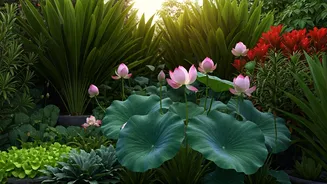
True to its name, the Rain Lily (Zephyranthes) produces delicate, beautiful flowers right after a shower. [2, 3] These low-maintenance bulbous plants are perfect for pots or garden borders. [2] Their charming pink, white, or yellow blooms seem to pop up from nowhere, adding a touch of magic to the garden. [2] They require very little care and are a delightful, recurring surprise throughout the wet season, reminding us of the beauty that rain can bring.
Lush Foliage Plants: Ferns and Caladiums
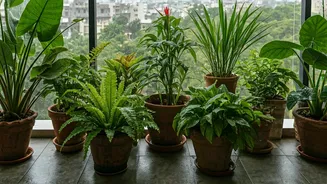
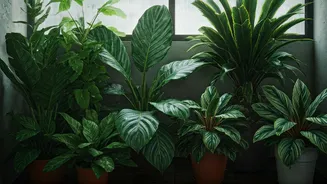
The monsoon is the perfect time for foliage plants to shine. Ferns, for instance, love the high humidity and indirect light, conditions that mimic their natural rainforest habitat. [3, 9] Species like the Boston fern thrive during this time, developing lush, green fronds. [9] Similarly, Caladiums, with their stunning, heart-shaped leaves in shades of pink, white, and green, flourish in the moist conditions. They are excellent for adding texture and colour to shaded parts of your garden or balcony.
Monsoon Vegetables: Gourd Family and Okra
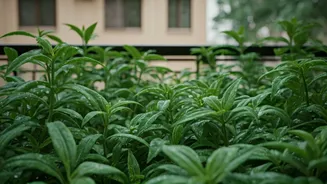
The rainy season is an incredibly productive time for kitchen gardens. The gourd family—including bottle gourd (lauki), bitter gourd (karela), and ridge gourd (turai)—grows vigorously in the warm, humid weather. [6, 7] These climbers are very productive but require a trellis for support to ensure good air circulation and prevent fruit from rotting on wet ground. [5, 7] Another monsoon superstar is Okra (bhindi), which loves the heat and moisture, producing a steady harvest throughout the season. [6, 16] You can start sowing these seeds directly into the soil after the first few rains. [16]