






From Niche Product to Daily Necessity
Not long ago, sunscreen was seen as an optional, often inconvenient, step in a skincare routine. Today, it has become a daily staple for millions. The number of Indian households purchasing sunscreen has more than tripled in just four years, reaching
14.3 million by mid-2026. This surge is driven by a perfect storm of factors: increasingly hotter weather, greater awareness of UV damage, and the influence of dermatologists and social media. The conversation has shifted from simply avoiding a tan to understanding the deeper implications of sun exposure, such as premature ageing, pigmentation, and skin health. As a result, consumers now view sunscreen not just as a seasonal product, but as a year-round shield for their skin.
Decoding the Labels: SPF and PA++++ Take Center Stage
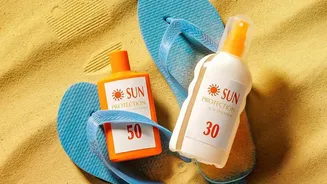
The new Indian consumer is more informed. There's a growing understanding that not all sunscreens are created equal. Shoppers are looking past the brand name and paying closer attention to the labels. The term 'broad-spectrum'—which signifies protection from both UVA (ageing) and UVB (burning) rays—is now a key factor in purchasing decisions. While SPF 30 was once the standard, demand for SPF 50 and higher is surging, with dermatologists widely recommending SPF 50 as the gold standard for the Indian climate. Even more significantly, consumers are learning about the PA rating system, which measures UVA protection. For Indian skin, which is particularly prone to hyperpigmentation and tanning from UVA exposure, a rating of PA+++ or the highest level, PA++++, is now considered essential.
The Rise of New-Age Formats
One of the biggest barriers to daily sunscreen use has always been the texture. Traditional creams often felt thick, greasy, and left an undesirable white cast on the skin. Brands have responded with a wave of innovation. The market is now seeing a significant decline in traditional lotion and cream launches, replaced by a rise in new, user-friendly formats. Gel-based and water-based 'aqua' sunscreens are becoming incredibly popular for their lightweight, non-greasy feel, which is ideal for India's humid climate. Sunscreen sticks, sprays, and invisible serums are also gaining traction, offering convenient, on-the-go application and reapplication, even over makeup. These new textures have made daily sun protection a much more pleasant and practical experience.
Skintellectuals Demand More: The 'Skinification' of Sunscreen
Today's consumers expect their products to do more. This trend, often called 'skinification', has fully arrived in the sun care aisle. Sunscreen is no longer just a protective layer; it's an active part of the skincare routine. New formulations are packed with beneficial ingredients like hyaluronic acid for hydration, niacinamide to control oil and improve skin tone, vitamin C for antioxidant benefits, and ceramides to support the skin barrier. This move towards multifunctional products appeals to consumers looking to simplify their routines without compromising on benefits. A sunscreen that also moisturises, brightens, or calms the skin offers enhanced value and encourages consistent use.
Making the Right Choice for Your Skin
With so many options, choosing the right sunscreen can feel overwhelming. Dermatologists suggest focusing on your specific skin type and needs. For those with oily or acne-prone skin, a non-comedogenic, gel-based, or matte-finish sunscreen is ideal. If you have dry skin, look for cream-based lotions with hydrating ingredients like ceramides or hyaluronic acid. For sensitive skin, mineral-based sunscreens containing zinc oxide and titanium dioxide are often recommended as they are gentler, though tinted versions may be needed to avoid a white cast. Ultimately, the best sunscreen is the one you will wear consistently. Applying it correctly—about two fingers' worth for the face and neck, 20 minutes before sun exposure, and reapplying every two to three hours—is just as important as the product you choose.