



1. Masala Khichdi: The Ultimate Comfort Bowl
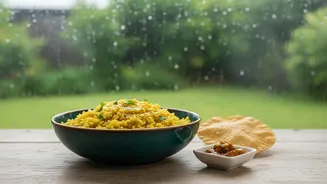
There are few dishes as synonymous with comfort as a warm bowl of khichdi, especially during the rains. A one-pot meal of rice and lentils, it's light on the stomach, easy to digest, and incredibly nourishing. This makes it an ideal choice for the monsoon
when digestion can sometimes be sluggish. To make it, simply pressure cook rice and moong dal with turmeric and salt. Elevate its flavour with a tempering of ghee, cumin seeds, asafoetida (hing), and ginger. You can also add seasonal vegetables like bottle gourd (lauki) or pumpkin to make it more wholesome. Cooking and Storage: Prepare it fresh for the best taste and health benefits. If you have leftovers, cool them quickly and store them in an airtight container in the refrigerator. It's best to consume it within 24 hours. When reheating, add a splash of water and heat thoroughly until steaming.
2. Vegetable Pakoras: The Quintessential Rainy-Day Snack
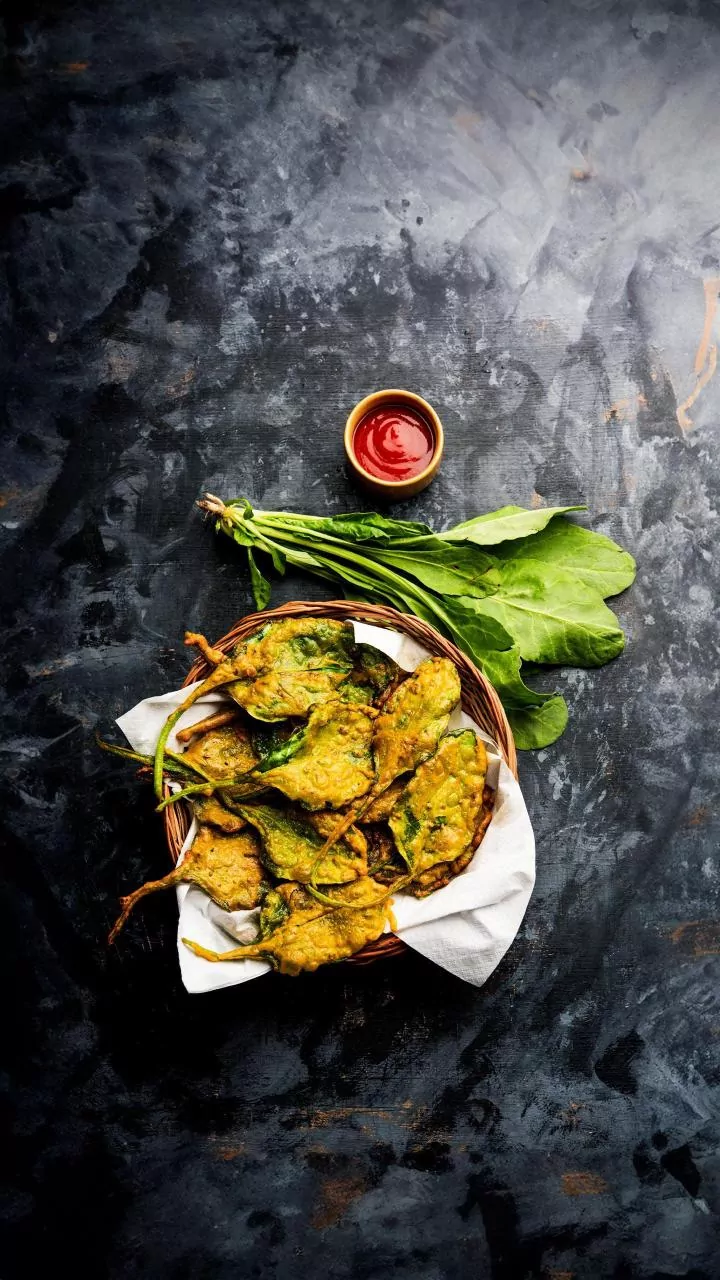
Monsoon evenings feel incomplete without a plate of hot, crispy pakoras and a cup of chai. These deep-fried fritters are a national favourite for a reason. While onion (kanda bhaji) and potato pakoras are classics, you can use a variety of vegetables like spinach, cauliflower, or bell peppers. The trick to a good pakora is the batter—a thick, well-seasoned mix of gram flour (besan), spices like turmeric and red chilli powder, and a pinch of carom seeds (ajwain) for digestion. Cooking and Storage: Pakoras are best eaten fresh and piping hot to enjoy their crispiness. If you must store them, allow them to cool completely and place them in a container with a paper towel to absorb excess oil. You can refrigerate them for up to a day, though they will lose their crunch. To revive them, reheat them in an air fryer or a warm oven instead of a microwave to bring back some of the crisp texture. Storing the batter is a better option; it can be refrigerated in an airtight container for a day.
3. Roasted Corn (Bhutta): Healthy Street Food at Home
The sight of a street vendor roasting corn on the cob over hot coals is a classic monsoon scene. This snack is not only delicious but also healthy. Corn is a good source of fibre and antioxidants. Recreating this at home is simple. You can roast the corn directly over a gas flame until the kernels are slightly charred. Once done, rub it with a mixture of lemon juice, salt, and red chilli powder for that authentic street-style flavour. Alternatively, you can boil the kernels and make a quick corn chaat by tossing them with chopped onions, tomatoes, and spices. Cooking and Storage: Bhutta is meant to be eaten immediately after preparation. The warmth, smokiness, and tangy spice mix are what make it special. Storing it will make the corn dry and chewy. If you've made a corn chaat, it should also be consumed fresh as the vegetables will release water and make it soggy.
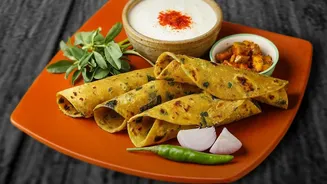
4. Moong Dal Cheela: The Light and Protein-Packed Pancake
For a meal that is both light and filling, moong dal cheela is an excellent choice. These savoury pancakes are made from a batter of soaked yellow or green moong dal, ginger, and green chillies. They are a great source of protein and are naturally gluten-free. You can make them plain or stuff them with a filling of grated paneer, chopped onions, and coriander for a more substantial meal. They pair wonderfully with mint chutney or a simple tomato ketchup. Cooking and Storage: While the cooked cheelas are best served hot off the pan, the batter can be prepared in advance. Store the batter in an airtight container in the refrigerator for up to two or three days. If the batter thickens, simply add a tablespoon or two of water to get the right consistency before making the cheelas. This makes for a very quick and convenient meal on busy, rainy days.
5. Ginger-Tulsi Tea: The Immunity-Boosting Brew
While not a full meal, no monsoon food list is complete without mentioning the perfect beverage to accompany it. A warm cup of adrak-tulsi chai (ginger-basil tea) is both comforting and beneficial during this season. Ginger is known for its anti-inflammatory properties and ability to aid digestion, while tulsi (holy basil) is a powerhouse for boosting immunity and fighting off seasonal coughs and colds. Simply add grated ginger and a few tulsi leaves to your regular pot of tea while it brews. Cooking and Storage: Tea is always best made fresh. The aromatic oils in ginger and tulsi that provide the health benefits and flavour are most potent right after brewing. Making a large batch to store and reheat is not recommended as it loses its distinct flavour and therapeutic qualities.