

An Erratic and Uneven Monsoon
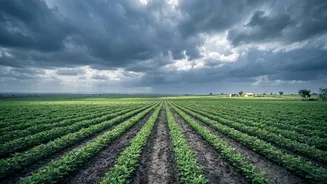
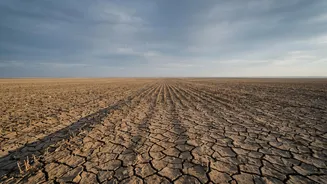
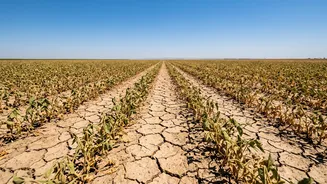
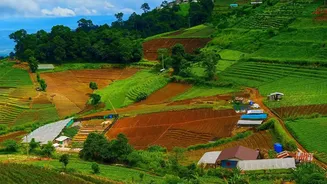
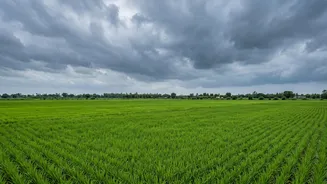
The Indian monsoon is more than just a weather event; it's the lifeblood of the country's agricultural economy. The 2026 season has been particularly erratic. After a dry start, some regions have been hit with excessive rainfall, while others remain worryingly
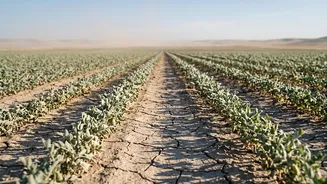
dry. This uneven distribution is a major cause for concern. It’s not just about the total volume of rain, but its timing and spread across key agricultural states. An intensifying El Niño climate pattern is being cited as a key driver behind these dramatic swings, creating a 'mysterious' and unpredictable weather system that disrupts traditional farming calendars. This volatility directly affects soil moisture and the health of newly sown Kharif crops.
The Pulse Predicament
For millions of Indian households, pulses like tur (arhar) are a primary source of protein, and their prices are a sensitive indicator of food inflation. The news from the farms this Kharif season is concerning. According to data from the Ministry of Agriculture, the area sown under pulses has seen a notable deficit compared to the previous year. As of late July 2026, the total area for pulses was trailing by about 7.5%. While some of this gap has been narrowed by late sowing, key pulses like tur and moong were still showing a deficit. This shortfall in planting is a direct result of the erratic monsoon. When sowing is delayed or reduced, it points to a lower harvest in the coming months, which almost inevitably leads to a supply crunch and higher prices at both the wholesale and retail levels.
Vegetable Prices on the Boil
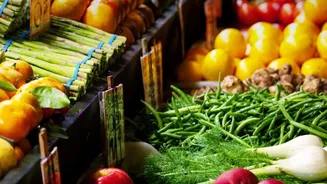
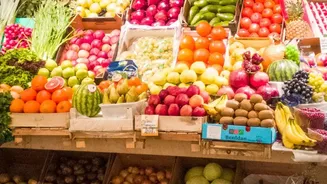
Unlike grains that can be stored, vegetables are highly perishable and their prices are extremely sensitive to short-term supply disruptions. The same weather patterns affecting pulses are putting pressure on vegetable farmers. Excessive rain can lead to waterlogged fields and ruined crops, while prolonged dry spells can stunt growth and reduce yields. Key vegetables like onions and tomatoes are particularly vulnerable to these weather shocks. The Finance Ministry's August 2026 economic report specifically highlighted weather-related risks as a driver for food inflation. Even though inflation for some food items had previously cooled, the uncertainty around the late monsoon and El Niño's peak could reverse that trend, putting pressure on kitchen budgets nationwide.
The Government on Alert
The government is well aware of the potential for weather-induced food inflation to squeeze household budgets. Authorities have several tools at their disposal to manage the situation. These include releasing buffer stocks of key commodities like pulses to improve availability, managing imports to bridge domestic shortfalls, and, in some cases, placing limits on stockholding to prevent hoarding. The Reserve Bank of India has also warned that an erratic monsoon could weigh on the agricultural sector and rural demand, keeping food inflation risks firmly on the radar. However, these measures are often a reactive solution to a problem that begins with the weather. While they can help soften the blow, they cannot entirely eliminate the price impact of a poor harvest.