





The Nuts and Bolts of the Study
Researchers at Maastricht University Medical Center in the Netherlands set out to explore how regular peanut consumption might affect brain function in healthy seniors. In a carefully designed trial, 31 healthy adults between the ages of 60 and 75 participated.
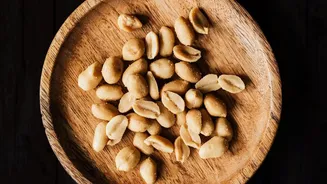
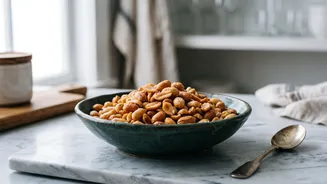
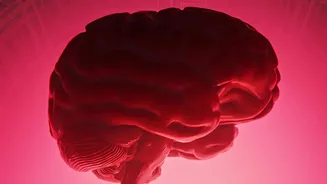
The study involved a 16-week period where participants consumed 60 grams—about two daily servings—of unsalted, skin-roasted peanuts. This was compared against a control period where they ate no peanuts. To measure the effects, the researchers used advanced MRI techniques to assess cerebral blood flow, which is the volume of blood flowing through the brain, delivering essential oxygen and nutrients.
A Boost in Brain Blood Flow and Memory
The results, published in the journal 'Clinical Nutrition', were quite specific. Compared to the control period, the 16 weeks of peanut consumption led to a 3.6% increase in global cerebral blood flow and a 4.5% increase in blood flow to the brain's gray matter. Specific regions associated with memory and cognition, like the frontal and temporal lobes, also saw increased blood flow. This wasn't just a change on a scan; it corresponded with a measurable improvement in cognitive function. Participants showed a 5.8% improvement in verbal memory, correctly recalling more words in a test. Additionally, researchers observed a decrease in systolic blood pressure during the peanut intervention.
Why Peanuts? The Power of Nutrients
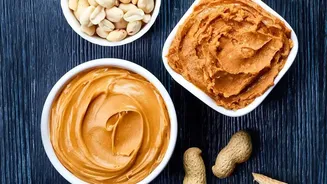
The study points to the rich nutritional profile of peanuts as the likely driver of these benefits. Peanuts, especially with their skins, are packed with bioactive compounds. They contain high amounts of L-arginine, an amino acid that the body uses to produce nitric oxide. Nitric oxide is a crucial molecule that helps relax and widen blood vessels, which could explain the improved blood flow seen in the study. Furthermore, peanuts are a good source of unsaturated fats, antioxidants like resveratrol, niacin, and vitamin E, all of which are believed to support vascular health and protect against age-related cognitive decline.
A Snack, Not a Silver Bullet
While these findings are promising, it is crucial to place them in context. The study was small, with only 31 participants, and it focused on healthy older adults. Therefore, these results do not prove that eating peanuts can prevent or cure conditions like Alzheimer's disease or dementia. It is also important to note that other studies have yielded different results. One 12-week trial in overweight older adults with memory complaints found no significant cognitive changes after a peanut intervention. Experts agree that this research adds to a growing body of evidence suggesting nutrition plays a key role in brain health, but it's not a magic solution. No single food can provide all the benefits of a well-rounded, healthy diet.