



Why Monsoon Magnifies Food Spoilage
The magic of the monsoon is in its moisture, but this same humidity is what makes food spoil faster. The warm, damp air is an ideal environment for harmful microorganisms like bacteria, mould, and fungi to thrive and multiply at an accelerated rate. This
means that food left on the counter, even for a short period, is at a much higher risk of contamination. High humidity causes food, especially cooked rice, dals, and curries, to deteriorate quickly, compromising their taste, texture, and safety. The risk is significant, as foodborne and waterborne infections are responsible for nearly half of all disease outbreaks reported in India, with a notable spike during the rainy season.
The Golden Rules of Food Storage
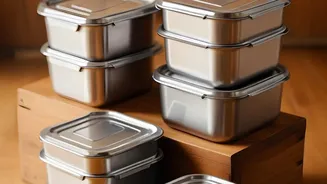
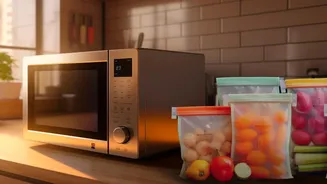
The fundamental principle of food safety is to minimise the time food spends in the 'Danger Zone' (between 4°C and 60°C), where bacteria grow most rapidly. During the monsoon, this is even more critical. A good rule to follow is the 'two-hour rule': never leave perishable food at room temperature for more than two hours. If the temperature is high, this window shrinks to just one hour. After cooking, allow food to cool slightly, just until the steam stops rising, and then promptly refrigerate it in airtight containers. Using airtight containers is crucial as they prevent moisture and airborne microbes from contaminating the food.
Storing Common Indian Meals
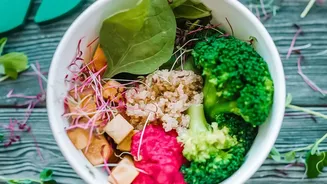
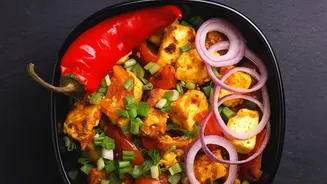
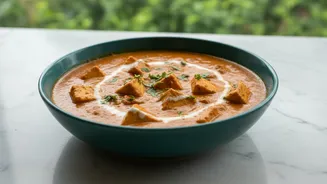
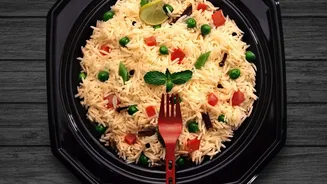
Different dishes require slightly different handling. For common Indian leftovers, here are some monsoon-specific guidelines. Cooked rice is particularly high-risk and should be cooled and refrigerated as quickly as possible, ideally within an hour. Dals and gravies should be stored in the fridge and consumed within 24 hours. Dry sabzis, like those made with potatoes or beans, tend to last a bit longer, up to 36 hours, if stored correctly. For rotis and parathas, avoid the traditional cloth-lined casserole on the counter. During the monsoon, they can develop mould overnight. Instead, store them in a sealed container in the fridge and consume within 12-18 hours.
The Right Way to Reheat Leftovers
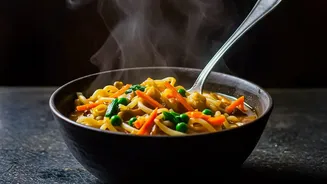
Reheating is not just about making food palatable; it's a vital safety step to kill any bacteria that may have developed during storage. Simply warming the food is not enough. Whether using a microwave, oven, or stovetop, you must reheat food until it is steaming hot throughout, reaching an internal temperature of at least 74°C (165°F). Sauces, soups, and gravies should be brought to a rolling boil. Never use slow cookers or chafing dishes to reheat leftovers, as they may not heat the food quickly enough, allowing it to linger in the bacterial danger zone. Properly reheating ensures that any potential pathogens introduced during storage are eliminated.
When in Doubt, Throw It Out
Your senses are a good first line of defence, but they aren't foolproof. Never taste food to check if it has gone bad, as even a small amount of contaminated food can cause illness. Obvious signs of spoilage include an off-smell, a slimy texture, or the presence of visible mould. During the monsoon, even food that looks and smells fine might be unsafe if it has been stored improperly. Pay close attention to storage times. For instance, paneer stored in water should be consumed within 24 hours, and the water changed daily. If you have any uncertainty about how long something has been in the fridge, especially after power cuts, it is always safest to discard it.