



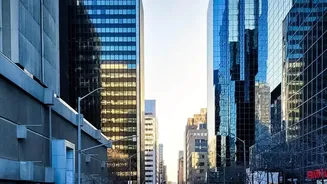
The Urban Heat Island Effect
Our cities are getting hotter, and it is not just because of climate change. A phenomenon known as the 'urban heat island effect' is turning our concrete jungles into ovens. Urban areas, with their dense concentration of buildings, roads, and other infrastructure,
absorb and re-emit the sun’s heat far more than natural landscapes. Dark surfaces like traditional asphalt can absorb up to 95% of sunlight, reaching blistering temperatures and continuing to radiate heat long after sunset. This trapped heat raises ambient temperatures, making cities significantly warmer than their surrounding rural areas, increasing energy consumption for air conditioning, worsening air quality, and posing health risks, especially for vulnerable populations.
Fighting Heat with Reflection
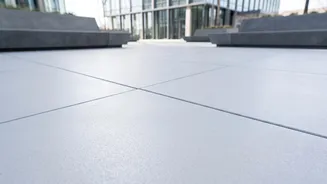
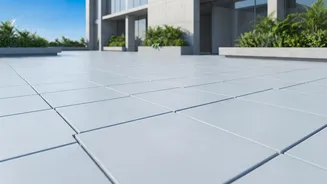
The basic principle behind cooling our streets is surprisingly simple: make them reflect more sunlight. This is where 'cool pavements' come into play. The general term covers a range of technologies designed to keep surfaces cooler than conventional black asphalt. The most common approach involves increasing the surface’s solar reflectance, or albedo. By reflecting a larger portion of incoming sunlight back into the atmosphere, these pavements absorb less heat. Studies and pilot projects have shown that cool pavements can lower surface temperatures by a significant margin, sometimes by as much as 10 to 16 degrees Fahrenheit. This reduction at the surface level can contribute to cooler air temperatures, especially when deployed on a large scale.
The Role of Bio-Engineered Coatings
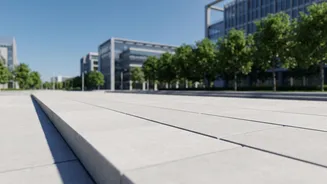
While simply using lighter coloured concrete is one option, the most adaptable solution for existing roads is advanced coatings. The term 'bio-engineered' in this context often refers to creating materials that mimic or are inspired by natural cooling processes. Modern cool coatings are not just simple light-coloured paints; they are sophisticated chemical formulations. These often include special infrared-reflective pigments embedded in a durable binder like polymer or cement. Some advanced mixtures even incorporate materials like titanium dioxide. These coatings are designed to be applied in a thin layer over existing asphalt, transforming a heat-absorbing surface into a heat-reflecting one without needing to completely rebuild the road. This makes it a cost-effective and efficient way to retrofit entire neighbourhoods.
Benefits Beyond a Lower Temperature
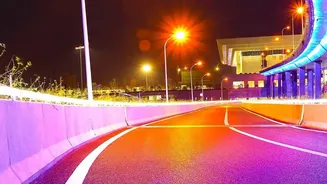
The advantages of cooler streets extend far beyond simple comfort. Lower ambient temperatures reduce the strain on air conditioning systems in nearby buildings, leading to significant energy savings and a reduction in greenhouse gas emissions. Furthermore, some coatings have additional environmental benefits; certain compounds can react with sunlight and vehicle exhaust to convert pollutants into less harmful substances. Reflective pavements also improve nighttime visibility and driver safety, potentially reducing the need for extensive street lighting by more than 30%. Cooler pavement surfaces also undergo less thermal expansion and contraction, which can lead to a longer service life and reduced maintenance costs over time.
Challenges and the Road Ahead
Despite their promise, cool pavements are not a magic bullet. One significant challenge is that highly reflective surfaces can sometimes increase the amount of solar radiation directed at pedestrians and adjacent buildings, potentially making the immediate environment feel more uncomfortable even if the surface itself is cooler. The long-term durability and cost of these coatings, especially under heavy traffic, are also critical considerations. Moreover, the effectiveness of cool pavements can depend heavily on the specific layout of a city, including the height of buildings and density of traffic. Researchers are continually working to balance reflectivity with pedestrian comfort and to develop materials that are both effective and durable, ensuring that our efforts to cool our cities are smart and sustainable.