





Safe Storage is the Foundation
Before you can get creative, you must be safe. The most critical rule is to get cooked food into the refrigerator quickly. Bacteria that cause foodborne illness multiply rapidly in the 'danger zone' between 5°C and 60°C. Food should not be left at room
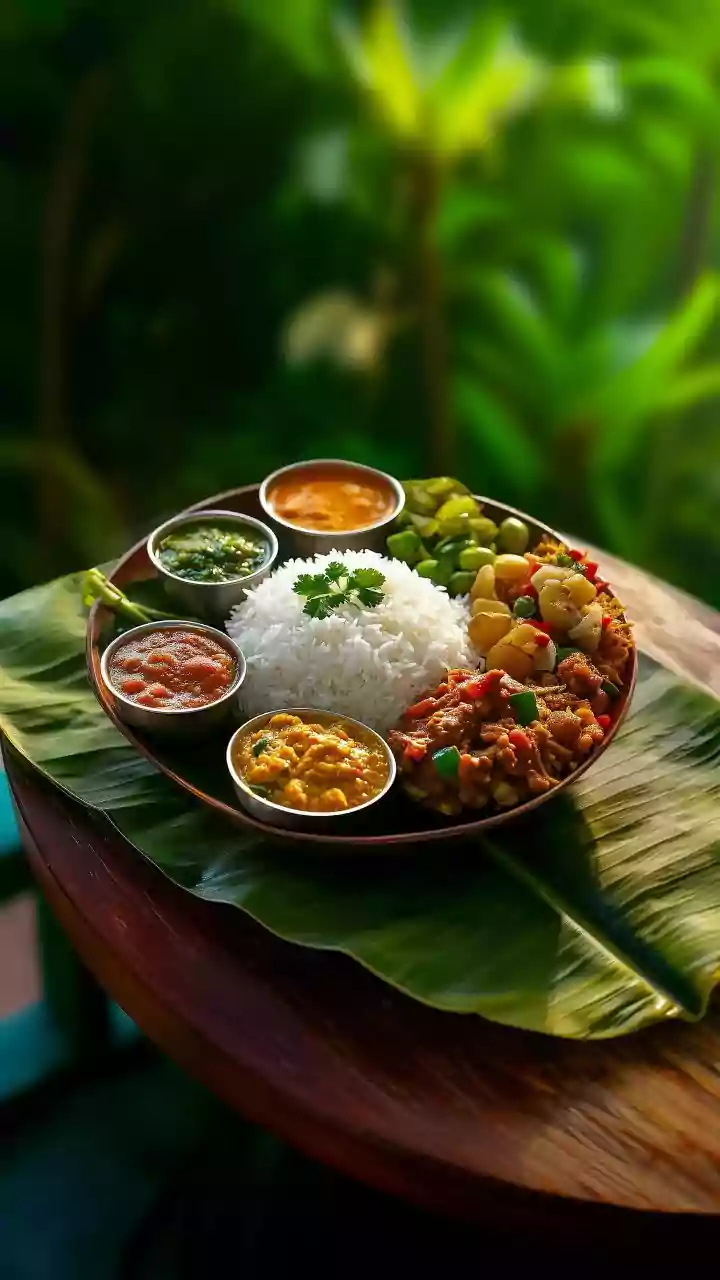
temperature for more than two hours; in hotter weather, that window shrinks to just one hour. To cool food down faster, don't just place a large, hot pot in the fridge. This traps heat in the centre for hours. Instead, divide large quantities of dal, curry, or rice into several smaller, shallow containers. This allows the contents to cool quickly and evenly, moving them through the danger zone as fast as possible. Store everything in airtight containers to prevent contamination and absorption of other odours.
Know Your Timelines
Refrigeration slows bacterial growth, but it doesn't stop it. A general guideline for most cooked leftovers, including meat, sabzi, and curries, is to consume them within three to four days. However, some items require more caution. Cooked rice is particularly susceptible to spores that can survive cooking and produce toxins if left at room temperature. It is best to cool rice rapidly, store it in the fridge within an hour, and consume it within a day. Never reheat any leftover food more than once, as the repeated cycle of cooling and heating increases risk. When you do reheat, ensure the food is steaming hot all the way through, reaching an internal temperature of at least 74°C to kill most bacteria.
The Art of the Fresh Addition
The key to making leftovers exciting is to think of them not as a finished meal, but as a pre-prepped ingredient. The easiest way to bring a dish back to life is with a fresh addition that adds a new dimension of flavour or texture. A squeeze of lemon or lime juice can awaken dull flavours. A handful of fresh, chopped herbs like coriander or parsley can make a day-old dish feel vibrant and new. You can also introduce a textural contrast. Add a sprinkle of crunchy sev to a soft curry, toss some toasted nuts into a rice dish, or serve a reheated stew with a side of crisp, fresh salad. Even a simple drizzle of good olive oil or a dollop of fresh yogurt can completely transform the eating experience.
Transform Leftovers Into New Meals
Instead of just reheating, repurpose. This is where you can truly get creative and avoid the monotony of eating the same thing twice. Yesterday's roasted chicken can be shredded and turned into filling for tacos, sandwiches, or a quick stir-fry. Leftover dal can be used to make dough for flavourful parathas. Turn a mix of cooked vegetables into a hearty frittata or omelette for a quick lunch or breakfast. That extra portion of cooked rice is the perfect base for fried rice; just sauté it with some vegetables, a bit of soy sauce, and an egg. Even stale bread has a future as croutons for soup or as the foundation for French toast.
Meal Plan with Leftovers in Mind
The most advanced and waste-free approach is to create 'intentional leftovers'. When you are planning your meals for the week, think about how you can cook once and eat twice. For example, if you are making a large batch of rajma, plan to have it with rice one night and then use the leftovers to make rajma-and-rice cutlets or wraps the next day. This strategy of planning for leftovers ensures they have a purpose from the start. It reduces mental load during the week, saves time on busy nights, and is one of the most effective ways to cut down on food waste and your grocery bill. Keeping an 'eat first' box in your fridge for items that need to be used soon is another simple but powerful organisational trick.