


Explore the Richness of Buffer Zones
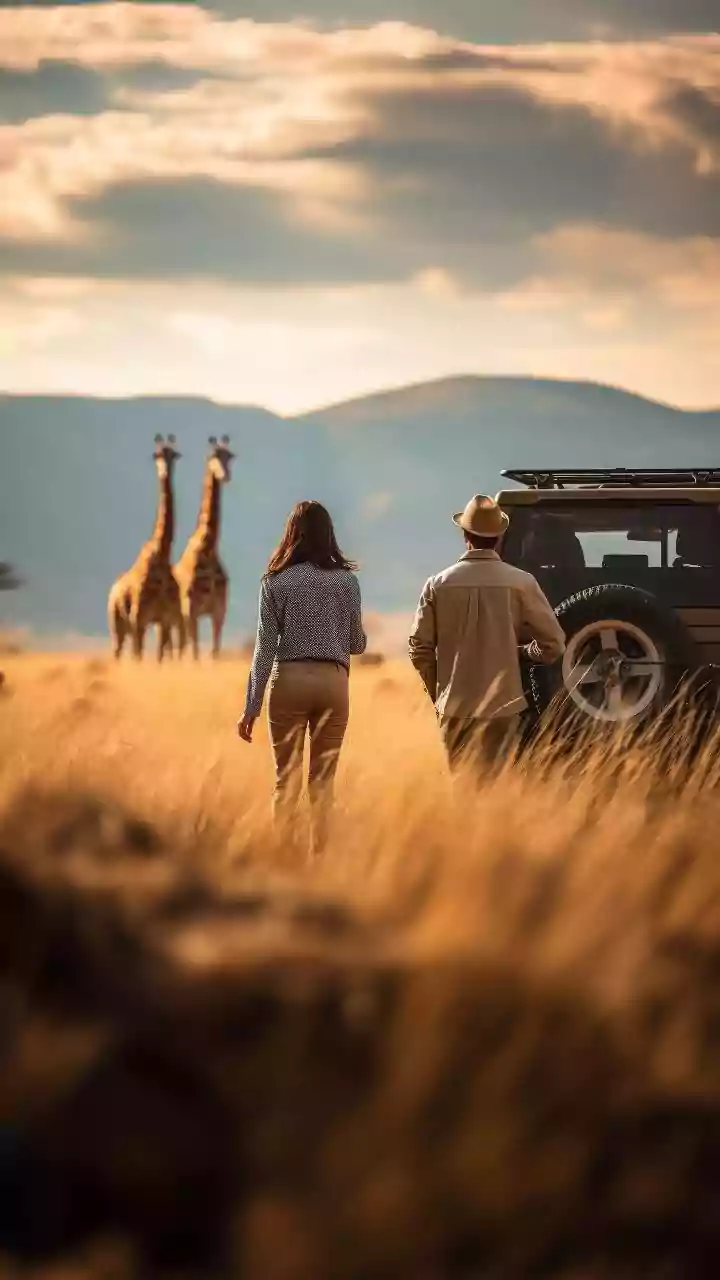
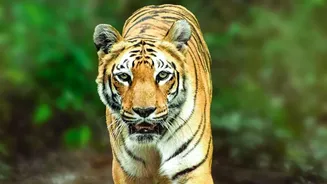
Most national parks in India are divided into a strictly protected core area and a surrounding buffer zone. While core areas often close, especially during the monsoon (typically June to September), many buffer zones remain open for tourism. These areas are far
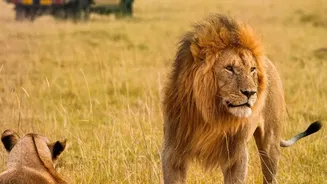
from empty; they are vital wildlife corridors teeming with activity. Parks like Tadoba-Andhari in Maharashtra and Bandhavgarh in Madhya Pradesh offer excellent buffer zone safaris. These excursions are often less crowded and provide a different perspective on the forest ecosystem. You can still spot a variety of animals and enjoy the lush, rain-washed landscapes in a more intimate setting.
Embrace the World of Birdwatching
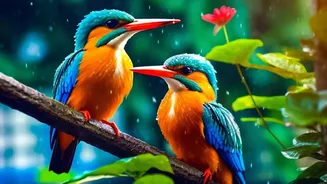
The closure of safari routes opens up the perfect opportunity to look up and around, rather than just ahead. India is a paradise for birdwatchers, with over 1,300 species recorded across diverse ecosystems. The monsoon, in particular, is a fantastic time for birding as the landscape becomes vibrant and many species are actively breeding. Destinations like Keoladeo National Park in Rajasthan, a UNESCO World Heritage site, and the various sanctuaries in the Western Ghats become havens for avian life. Even around popular tiger reserves like Corbett and Ranthambore, the bird diversity is immense, from hornbills to colourful pittas. All you need is a pair of binoculars and a little patience to discover a whole new world of wildlife.
The Intimacy of Nature Walks
Stepping out of the vehicle and exploring the forest on foot is one of the most immersive wildlife experiences you can have. Many reserves, like Periyar in Kerala and Satpura in Madhya Pradesh, offer guided nature walks. Led by trained naturalists or local community members, these walks shift the focus from chasing big sightings to understanding the smaller wonders of the ecosystem. You learn to identify pugmarks, interpret alarm calls, and appreciate the intricate world of insects, plants, and smaller animals. Some programmes, like the Tiger Trail in Periyar, are run by former community members who bring unparalleled traditional knowledge of the forest.
Drift Along on a Water Safari
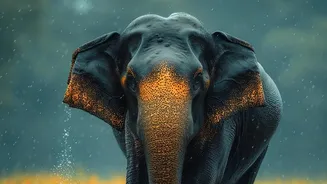
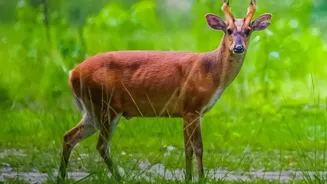
In several parks, water bodies offer a unique and peaceful way to observe wildlife. Periyar National Park's primary experience is a boat safari on its vast lake, which remains open year-round and is especially beautiful during the monsoon. You can watch herds of elephants, gaur, and deer at the water's edge from a safe distance. In the Sundarbans of West Bengal, the entire park is explored by boat through dense mangrove forests. Other unique experiences include boating on the Denwa River in Satpura Tiger Reserve or exploring the Chambal River Sanctuary to see gharials and skimmers.
Engage with Local Communities and Conservation
A truly fulfilling nature holiday can extend beyond wildlife sightings. Many eco-tourism models now directly involve and benefit local communities. In places like Panna Tiger Reserve, you can join walks led by the Pardhi community, who are expert trackers and now contribute their skills to conservation. In Khonoma, Nagaland, known as India’s first 'Green Village', you can stay in homestays and learn about the Angami tribe's successful community-led conservation efforts. Engaging with these initiatives not only enriches your travel experience but also contributes directly to the protection of these precious habitats and supports sustainable livelihoods.