





The Latest on Visa Rules
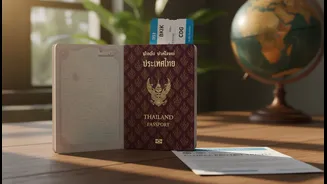
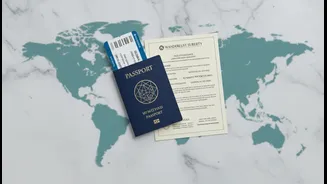
The biggest question for Indian travellers is about the visa. After a period of uncertainty, the Thai government has provided some clarity. As of mid-July 2026, the previously discussed 60-day visa-free scheme has seen changes. Recent reports from July 14
and 15 confirm that Thailand will now offer a 30-day visa-exempt entry for Indian tourists. This decision was made after confusion over a potential rollback of visa-free policies led to a drop in arrivals from India, a key tourism market for Thailand. For those planning a stay longer than 30 days, the practical option is to apply for a 60-day tourist e-visa before travelling. This visa can typically be extended for another 30 days at an immigration office within Thailand, allowing for a total stay of up to 90 days. The Visa on Arrival (VoA) remains an option but is generally limited to a 15-day stay and is not ideal for longer holidays.
The Return Ticket Dilemma
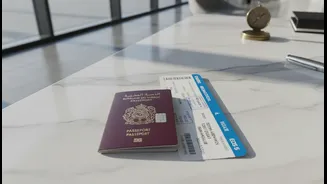
Thai immigration authorities almost always require proof of onward travel. This means you must show a confirmed flight ticket out of Thailand, with a departure date within your permitted stay. For those on a 30-day visa exemption, this means a flight out within 30 days. If you have a 60-day tourist visa, you'll need a ticket showing departure within that timeframe. But what if your plans are flexible? Booking a one-way ticket to Thailand is risky and can lead to being denied entry. Airlines are often strict about this rule as they can be fined for transporting passengers who are later refused entry. A common solution for travellers with uncertain return dates is to book a fully refundable or flexible ticket that can be changed for a small fee. Another popular option is to purchase an inexpensive bus or flight ticket to a neighbouring country like Cambodia or Malaysia, which serves as proof of onward travel and is often cheaper than a flexible long-haul flight.
Navigating Travel Insurance
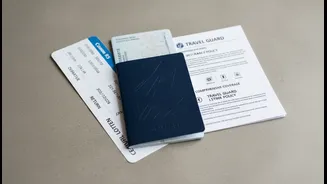
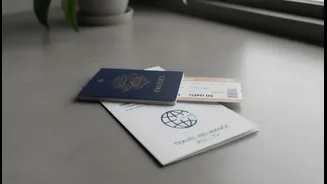
As of July 2026, travel insurance is not mandatory for Indian tourists entering Thailand. However, it is very strongly recommended by both travel experts and Indian embassy advisories. The Thai government has been actively considering making medical coverage compulsory for foreign visitors due to rising cases of unpaid medical bills at public hospitals. For an extended stay of one to two months, insurance becomes even more critical. Minor incidents like food poisoning or a scooter accident can result in significant expenses at private hospitals. When choosing a policy for a long trip, look for comprehensive coverage that includes not just medical emergencies and hospitalisation, but also trip cancellations, baggage loss, and passport loss. Given the nature of activities in Thailand, from island hopping to adventure sports, ensuring your policy covers these is a wise investment for a stress-free holiday.
Funds, Forms, and Accommodation Proof
Beyond visas and tickets, Thai immigration officials can randomly ask for proof of sufficient funds to cover your stay. The generally recommended amount is 10,000-20,000 Thai Baht per person (approximately ₹23,000 - ₹46,000). For longer stays, having access to more funds, shown via a recent bank statement or credit card, is advisable. You will also need proof of accommodation for at least the initial part of your trip. This can be a hotel booking confirmation or an invitation letter if staying with friends. Finally, all travellers must complete the Thailand Digital Arrival Card (TDAC) online within 72 hours before arrival. This generates a QR code that you should keep handy for immigration clearance.
Crafting Your Longer Itinerary
A 30 or 60-day trip allows you to explore Thailand beyond the usual tourist trail of Bangkok and Phuket. You can divide your time between different regions to get a fuller experience. You might spend two weeks in the north exploring the cultural hub of Chiang Mai and the mountains around Pai. Then, fly south to the Andaman coast for island hopping around Krabi and the serene beaches of Koh Lanta. The final weeks could be spent exploring the Gulf coast islands like Koh Samui and Koh Phangan, known for both wellness retreats and lively parties. For a long stay, consider booking a mix of hotels and serviced apartments, which can be more cost-effective. Don't overschedule your days; build in time for spontaneous discoveries and relaxation. Booking domestic flights and buses in advance, especially during peak season (November to February), is recommended to get better prices.