




Eating Leafy Greens Without Caution
While green leafy vegetables are packed with nutrients, they become a high-risk food during the monsoon. The damp, humid conditions are perfect for germs, bacteria, and fungi to thrive. Mud, dirt, and worms cling to the leaves and crevices, and simple
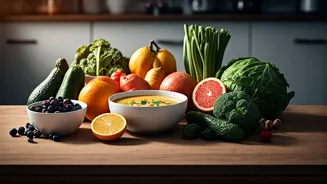
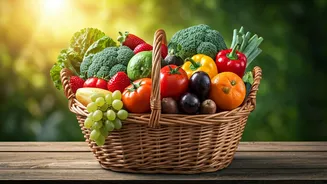
rinsing might not be enough. Contaminated water used in farming can further compound the risk of infections like E. coli and salmonella. Instead of giving them up entirely, change your approach. Opt for vegetables like lauki (bottle gourd), tinda (apple gourd), and parwal (pointed gourd), which have protective skins. If you must have leafy greens like spinach or cabbage, ensure you wash them thoroughly in a potassium permanganate solution or warm salt water before cooking them completely. Avoid eating them raw in salads or sandwiches.
Indulging in Raw and Street Food
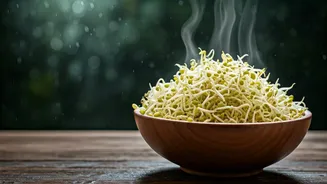
The craving for street-side chaat, golgappe, and fresh juices intensifies with the rain, but this is the riskiest time to indulge. The water used by vendors for chutneys, pani, and washing ingredients is often of questionable origin and can be a primary source of water-borne diseases like typhoid, cholera, and diarrhoea. Furthermore, food left exposed to the humid air gets contaminated quickly. Raw foods like salads and uncooked sprouts are particularly dangerous as they harbour bacteria that would otherwise be killed by cooking. If the craving is irresistible, try recreating your favourite street food snacks at home where you can control the hygiene, water quality, and freshness of the ingredients.
Buying Pre-Cut Fruits and Vegetables
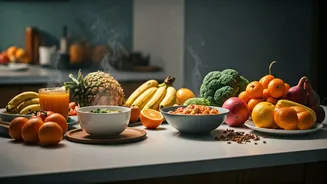
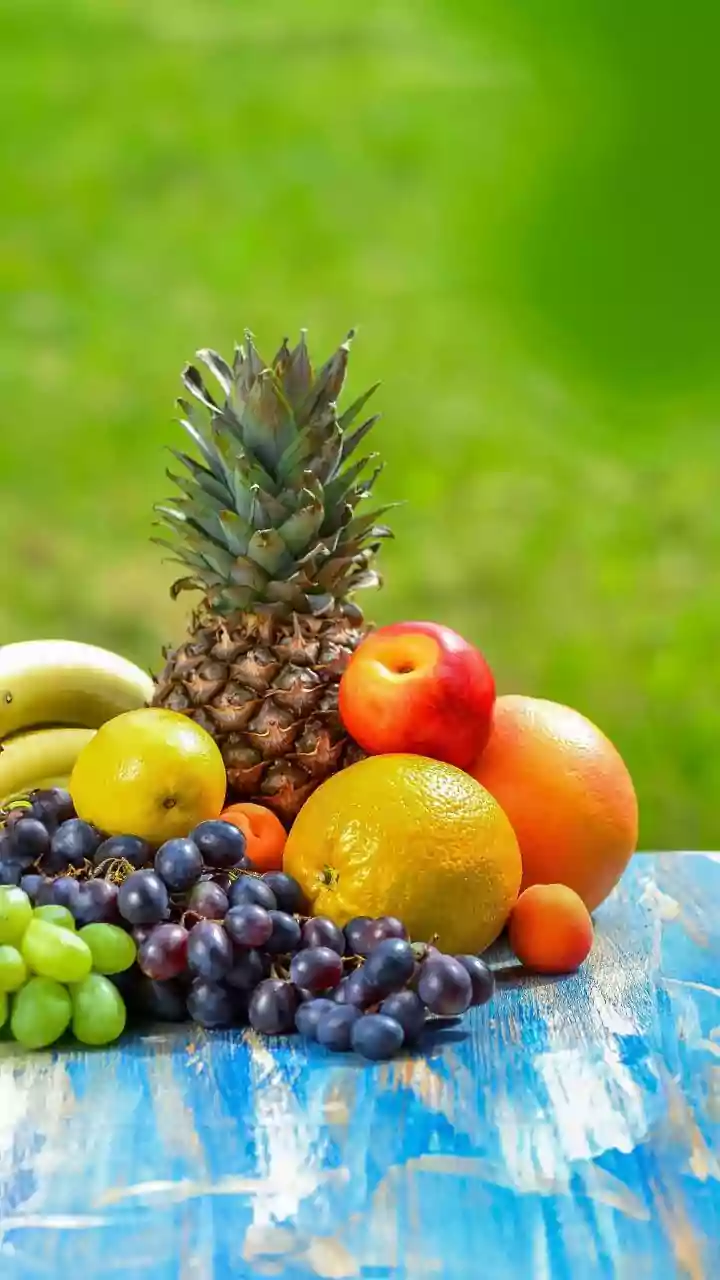
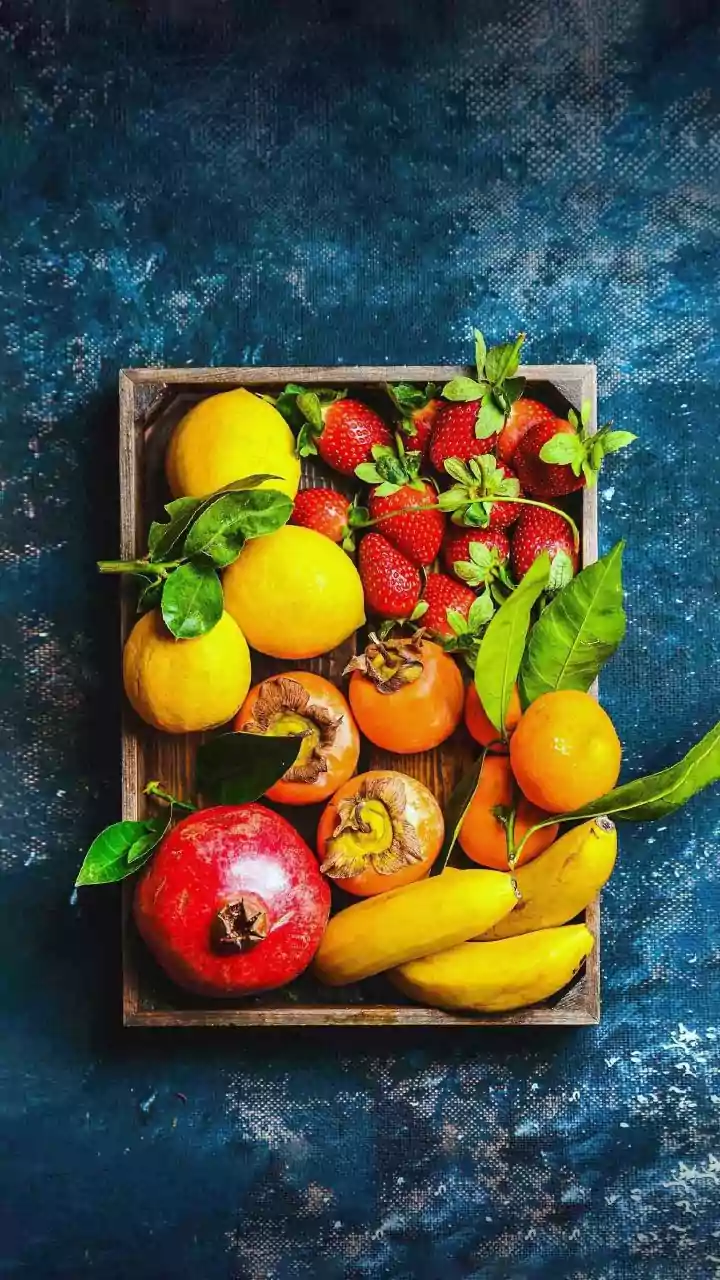
That neatly sliced pineapple or mixed fruit bowl might look convenient, but it’s a health hazard during the monsoon. Once a fruit's protective skin is broken, its flesh is exposed to the environment. In the humid monsoon air, this exposure provides a breeding ground for bacteria. You have no way of knowing when the fruit was cut, how it was handled, or if it was washed with contaminated water. These pre-cut items are often sprayed with water to look fresh, which can introduce more germs. The safest practice is to buy whole fruits and vegetables. Wash them thoroughly at home and cut them only when you are ready to eat. This simple step significantly reduces your risk of consuming harmful microbes.
Overlooking Seafood Safety
For seafood lovers, the monsoon is a time for caution. This period is the breeding season for many types of fish and prawns. As a result, fresh catch is often limited, and what is available might not be of the best quality. More importantly, the increased rainwater runoff pollutes the seas and rivers, raising the levels of contamination in aquatic life. Consuming seafood during this time increases the risk of stomach infections and food poisoning. If you do choose to eat fish, ensure it is from a trusted source and is as fresh as possible. Cook it thoroughly until it is flaky and opaque, which helps kill most harmful bacteria and parasites. It is generally wiser to limit seafood consumption and focus on other protein sources like lentils, chicken, or eggs.
Forgetting About Water Purification
We often focus so much on solid food that we forget the most common vehicle for monsoon illnesses: water. The supply lines can get contaminated with sewage and groundwater during heavy rains, making tap water unsafe for direct consumption. Simply assuming your municipal water is clean is a costly mistake. It is absolutely essential to purify all drinking water. The most reliable method is to boil water for at least one to three minutes and then store it in clean, covered containers. Alternatively, use a high-quality water purifier with multi-stage filtration (RO+UV/UF). Remember, this applies not just to drinking water but also to water used for cooking, washing vegetables, and even brushing your teeth.
Relying on Heavy, Fried Foods
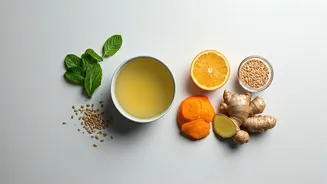
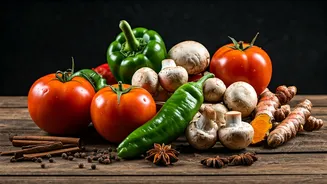
Pakoras and chai are a classic monsoon combination, but an excess of heavy, oily, and fried food can be detrimental. The humid weather already tends to slow down our digestive system. Loading it with hard-to-digest foods can lead to bloating, indigestion, and general sluggishness. While an occasional treat is fine, your regular diet should focus on light, warm, and easily digestible meals. Think soups, steamed vegetables, and well-cooked dals. Incorporate immunity-boosting spices like turmeric (haldi), ginger (adrak), garlic (lahsun), and black pepper (kali mirch) into your cooking. These ingredients have anti-inflammatory and anti-bacterial properties that help your body fight off infections.