







The Journey From Barrel to Pump
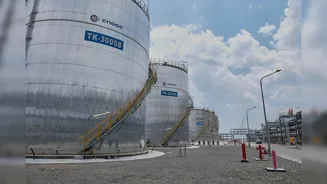
The price you see at the fuel station begins its life thousands of miles away. India imports over 85% of its crude oil, making it highly vulnerable to global price shifts. The primary benchmark is Brent crude, which is traded in US dollars. This means
two key external factors are the starting point: the international oil price and the USD-INR exchange rate. A weaker rupee makes every barrel of oil more expensive even if the dollar price of oil doesn't change, adding a layer of complexity to the final cost.
The Great Indian Tax Buildup
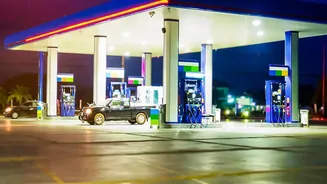
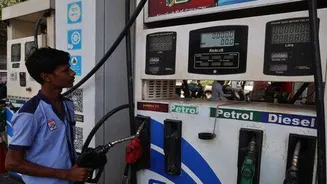
Once crude oil is purchased and refined by India's Oil Marketing Companies (OMCs), the price begins to build up significantly. This is where government taxes come in, forming a substantial chunk of the final retail price. The central government levies an excise duty, which is a fixed amount per litre. On top of that, each state government adds its own Value Added Tax (VAT), which is typically a percentage of the price. This is why petrol and diesel prices vary so much from one state to another—a state with a higher VAT will have more expensive fuel. After adding a small commission for the petrol pump dealer, we arrive at the final price you pay.
How Fuel Costs Drive Up Transport Prices
The most immediate and widespread impact of rising fuel prices is on transportation. The logistics sector is the backbone of the economy, moving everything from fresh vegetables to electronics across the country. Road transport, which handles the majority of this freight movement, is overwhelmingly dependent on diesel. For a typical trucking operator, fuel can account for 40-45% of total operating costs. When diesel prices rise, transporters have little choice but to pass on the increased cost. This is often done through fuel surcharges, which means manufacturers and retailers pay more to get their goods, a cost that eventually gets passed on to the end consumer.
The Direct Hit on Your Daily Commute
For individuals, the effect is twofold. First, those who own cars and two-wheelers see their monthly budgets shrink as they spend more on filling up their tanks. A significant price difference between states can mean thousands of rupees in extra costs annually for the same amount of driving. Second, it affects the cost of public transportation. App-based cab services, autorickshaws, and even public buses may eventually raise their fares to compensate for higher operational costs, making every journey more expensive.
The Ripple Effect: Broader Inflation
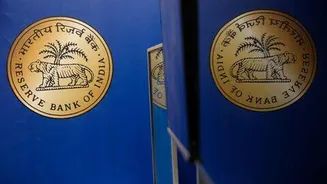
Higher transport costs don't just stay in the logistics sector; they spread throughout the entire economy in what's known as second-order inflation. When it costs more to transport goods, the final prices of those goods—be it food, consumer durables, or clothing—also tend to rise. This contributes to overall headline inflation, which can prompt the Reserve Bank of India to consider policy changes to manage rising prices. Analysts note that every $10 increase in crude oil prices can potentially raise India's inflation by a noticeable margin, affecting everything from grocery bills to stock market sentiment.