





A Different Kind of Office
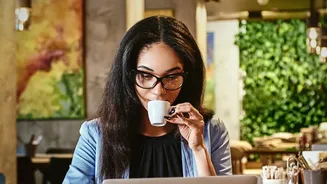
The traditional nine-to-five is undergoing a transformation in the City of Joy. Tired of the monotony of working from home and uninspired by formal co-working spaces, a growing number of Kolkata’s young professionals are setting up their workstations
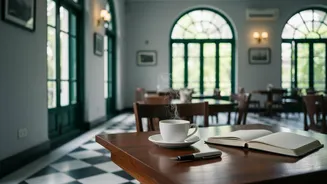
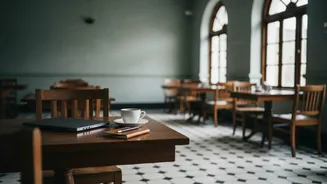
in an unlikely setting: the city's historic cafes. Laptops now sit on tables that have witnessed decades of conversations, as a new generation finds focus and inspiration amidst colonial-era architecture and the gentle clatter of cups. This fusion of cafe culture and remote work is reshaping how the city's youth approaches their professional lives, seeking environments that offer more than just a desk and a chair.
More Than Just Wi-Fi
The appeal goes far beyond free internet. For many, the charm lies in the atmosphere. Heritage spots like Flurys, dating back to 1927, or revamped colonial bungalows like The Red Bari, offer a sense of history and grandeur that a modern office cannot replicate. Professionals are drawn to the aesthetic, the comfort, and the feeling of being connected to the city's rich past. These spaces provide a welcome change of scenery, combating the isolation that can come with remote work and boosting creativity through sensory stimulation—the smell of coffee, ambient music, and the quiet buzz of other patrons. It's a work environment defined by comfort and character, not corporate policy.
A Mutually Beneficial Arrangement
This trend isn't just a boon for the workers; it's a lifeline for the cafes. Remote professionals often fill tables during traditionally quiet weekday hours, providing a steady stream of revenue. In response, many cafes are adapting to welcome this new clientele. Establishments like 8th Day Cafe & Bakery and Blue Tokai Coffee Roasters are known for being work-friendly, offering ample power outlets, reliable Wi-Fi, and comfortable seating suitable for long work sessions. Some cafes are even designing specific zones for workers or offering special deals to encourage longer stays, turning a passive trend into an active business strategy. For instance, The Red Bari has a dedicated co-working floor tucked away to minimize interruptions for its working patrons.
Heritage Meets Hustle
The phenomenon is giving a new lease on life to some of Kolkata's architectural gems. Across the city, old homes and colonial mansions are being thoughtfully restored and repurposed as cafes that double as cultural hubs. Places like Roastery Coffee House, set in a revamped old Calcutta house, and The Bhawanipur House, a restored 20th-century mansion, are prime examples of this adaptive re-use. They host events, exhibitions, and talks, positioning themselves as community spaces that foster both productivity and cultural engagement. This model provides a pragmatic path for conservation, allowing heritage structures to remain relevant and financially viable by serving a modern need.
Not Without Challenges
Despite the benefits, the "coffice" life isn't always perfect. The very ambiance that attracts workers—the conversations, music, and foot traffic—can also become a source of distraction. Unlike a dedicated office, cafes lack privacy for confidential calls and can have inconsistent internet connectivity. There's also the unspoken etiquette of occupying a table for hours; remote workers must be mindful of purchasing drinks and food regularly to justify their stay. While many cafes welcome laptop-wielding patrons, the model poses a challenge for business owners who must balance the lower per-hour spend of a remote worker against the need to turn over tables for other customers.