






Master the Art of Washing Produce
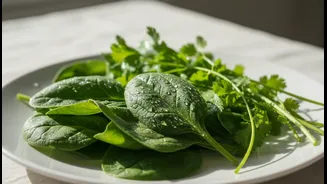
During the monsoon, vegetables and fruits can carry more contaminants from muddy water and soil. A simple rinse is often not enough. Start by washing all produce under clean, running water to remove loose dirt. For leafy greens like spinach and coriander,
which can trap insects and grime, a more thorough method is needed. Soak them for 10-15 minutes in a solution of water mixed with a tablespoon of salt or a splash of white vinegar. This helps dislodge hidden pests and reduces the bacterial load. After soaking, rinse them again with fresh water and pat them dry before cooking or storing.
Handle Leafy Greens and Cruciferous Veggies with Care
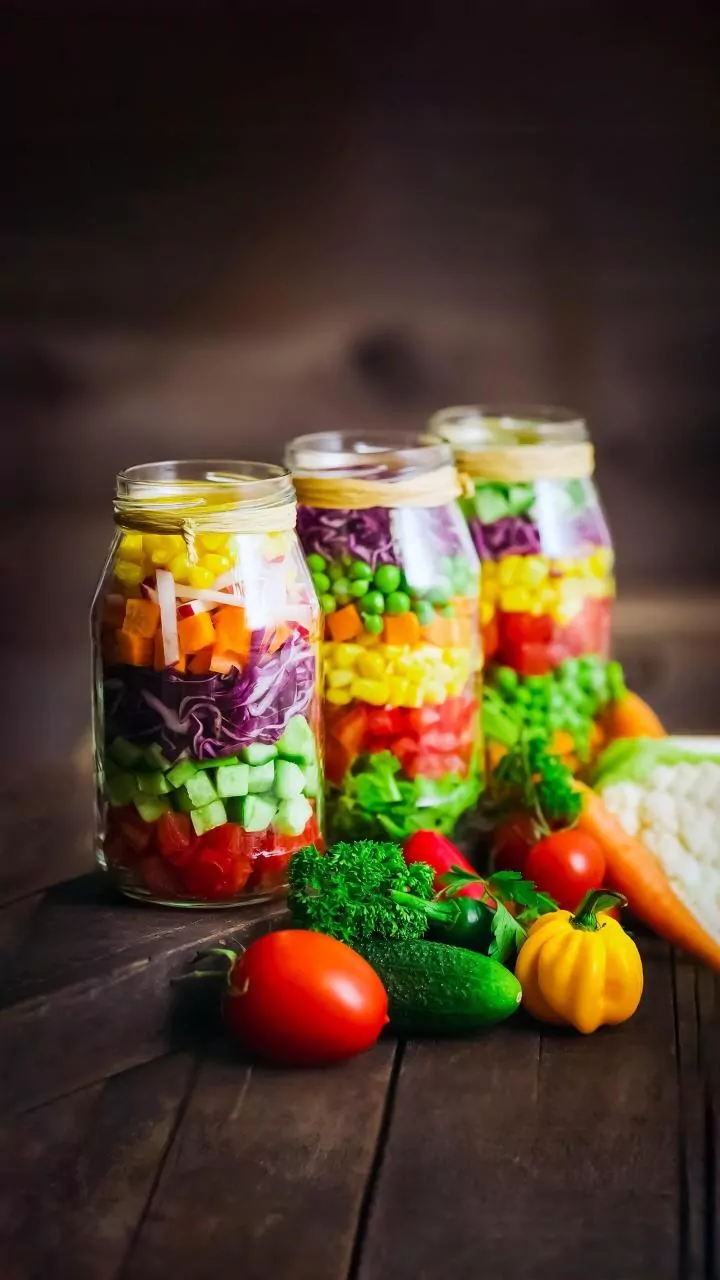
Vegetables like cabbage, cauliflower, and spinach require special attention during the rainy season as they can harbour worms and larvae. The humidity and complex structure of these vegetables make them prone to bacterial and fungal growth. It's safest to avoid eating raw vegetables, like in salads, during this period. Instead, opt for cooking methods like steaming or boiling, which can effectively kill germs. If you do consume salads, make sure they are prepared at home with vegetables that have been meticulously cleaned.
Prioritise Fresh, Hot Meals
The damp, humid atmosphere of the monsoon speeds up food spoilage. Bacteria and mould can grow quickly on cooked food left at room temperature. Make it a habit to cook fresh meals in smaller batches rather than cooking in bulk. Always eat freshly prepared, hot food. Reheating food is an option, but it must be done thoroughly. If you have leftovers, refrigerate them promptly in airtight containers to prevent contamination and bacterial growth.
Be Vigilant with Meat, Fish, and Eggs
The risk of contamination in non-vegetarian food increases during the monsoon. Buy meat and seafood only from reputable, hygienic sources. Ensure that meat is cooked thoroughly to a safe internal temperature to kill any harmful bacteria. It's also crucial to prevent cross-contamination in your kitchen. Use separate cutting boards and knives for raw meat and vegetables, and always wash your hands with soap and water after handling raw meat.
Rethink Your Street Food Cravings
The temptation of hot pakoras or a plate of chaat on a rainy day is hard to resist, but street food poses a significant health risk during the monsoon. The water used by vendors may be contaminated, and food is often exposed to flies and environmental pollutants. Items that are pre-cut, served raw, or contain ice from unknown sources are particularly risky. If you must indulge, choose vendors who maintain high standards of hygiene and serve food that is prepared fresh and served piping hot.
Ensure Your Drinking Water is Pure
Waterborne diseases like cholera, typhoid, and jaundice are rampant during the monsoon due to the high risk of water source contamination. Relying on tap water directly is not advisable. The safest practice is to boil your drinking water for at least one minute. Alternatively, use a reliable water purifier and ensure its filters are cleaned and changed regularly. Be cautious about ice in drinks outside your home, as it is often made from unpurified water.
Boost Your Immunity Naturally
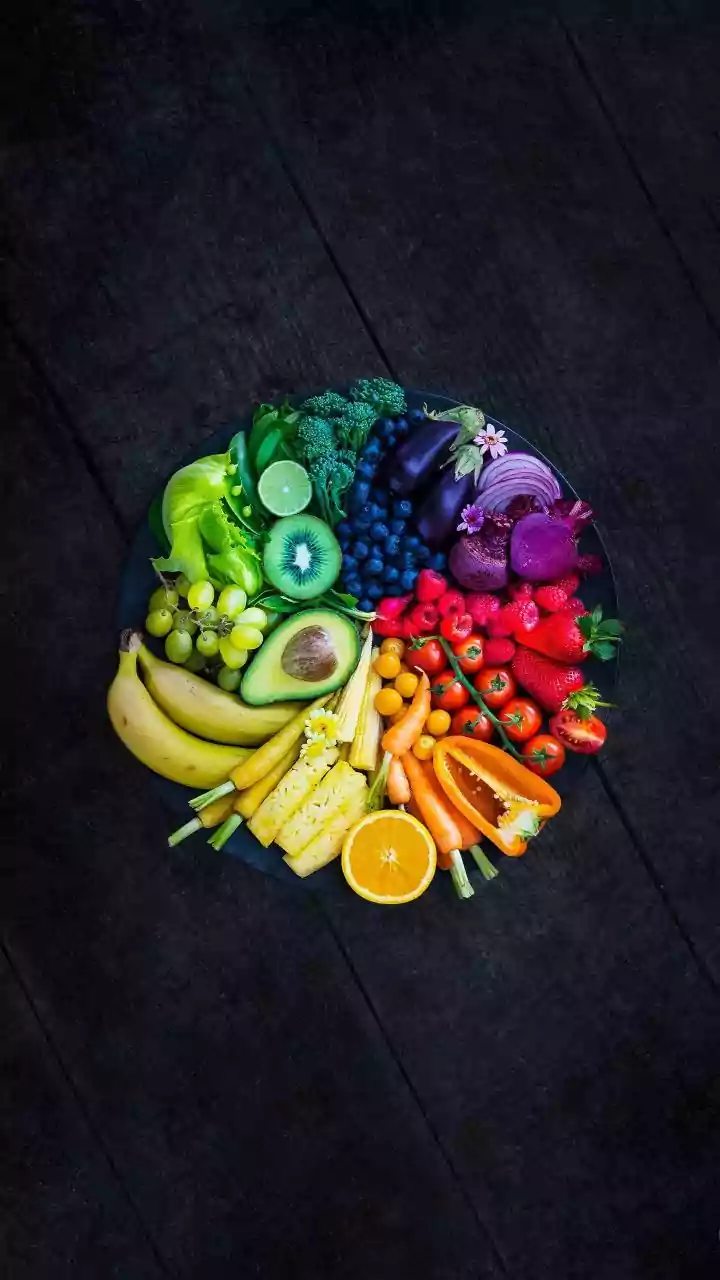
A strong immune system is your best defence against monsoon illnesses. Incorporate immunity-boosting foods into your daily diet. Spices like turmeric, ginger, and garlic have natural anti-inflammatory and antibacterial properties. Fruits rich in Vitamin C, such as oranges, amla, and papaya, can also help strengthen your body's defences. Probiotic-rich foods like yogurt and buttermilk support gut health, which is closely linked to overall immunity.