



From Niche Habit to Mainstream Ritual
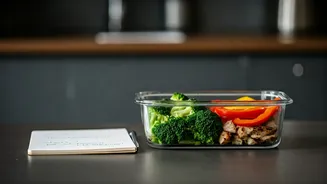
Not long ago, the term “meal prep” conjured images of bodybuilders meticulously weighing chicken breasts and broccoli. It was a highly specific practice tied to the world of extreme fitness, seen as rigid and slightly obsessive. Today, that image has
faded. Your colleague, your neighbour, and your cousin are likely all doing some form of it. The shift from niche to normal happened gradually, then all at once. It was a grassroots movement, bubbling up from kitchens rather than being dictated by celebrity chefs. As our lives became busier and our understanding of nutrition grew, the logic of preparing food in advance became too powerful to ignore. It is no longer about hitting macronutrient goals; it’s about surviving the week with your sanity, health, and wallet intact.
The Search for Control in a Chaotic World
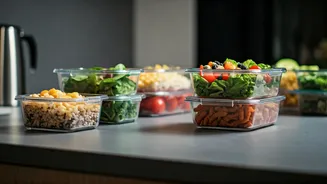
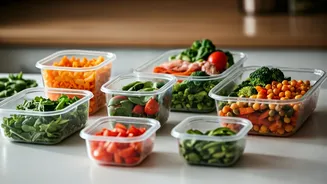
Modern life often feels unpredictable. Work demands, social obligations, and endless to-do lists can leave us feeling like we're constantly reacting rather than choosing. Meal prep offers a powerful antidote: control. By dedicating a few hours on a Sunday to plan and prepare meals, people reclaim agency over a fundamental part of their week. There is a profound psychological comfort in knowing that a healthy, home-cooked lunch is waiting for you, eliminating the dreaded “What’s for dinner?” dilemma. This element of planning reduces decision fatigue, that mental exhaustion that comes from making too many small choices. In a world that feels increasingly chaotic, a fridge full of neatly stacked, pre-portioned meals is a small but significant bastion of order and predictability.
Our Growing Appetite for Wellness
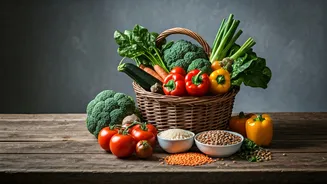
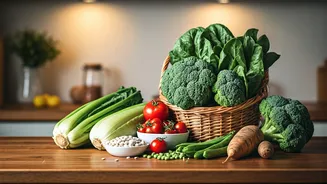
The wellness revolution has fundamentally changed how we think about food. We are more aware than ever of the connection between diet and overall health—from energy levels and mood to long-term disease prevention. This has fuelled a desire for transparency and quality in what we eat. Restaurant meals and processed foods, while convenient, often come with hidden sugars, unhealthy fats, and excessive sodium. Meal prepping puts you in the driver’s seat of your own nutrition. You control every single ingredient, the portion sizes, and the cooking methods. Whether you're managing a food allergy, following a specific dietary plan like Keto or veganism, or simply trying to eat more vegetables, preparing your own meals is the most effective way to achieve your health goals.
The Unbeatable Economic Argument
Let’s talk about money. The cost of convenience has skyrocketed. A single takeaway lunch can easily cost ₹300-₹500, a habit that quickly adds up to thousands of rupees a month. In contrast, cooking in bulk is one of the most effective money-saving strategies available. Buying ingredients in larger quantities is often cheaper, and preparing meals at home drastically reduces spending on dining out and impulse food purchases. For many households, especially in times of economic uncertainty and rising food inflation, meal prep isn't just a wellness trend; it's a non-negotiable financial tool. The savings realised from a few hours of cooking can be redirected towards other financial goals, making it a smart economic decision that pays dividends all week long.
How Social Media Made It Beautiful
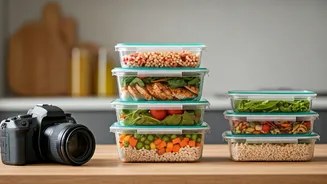
While the practical benefits are clear, we can’t discount the role of social media in catapulting meal prep to stardom. Platforms like Instagram and TikTok transformed a practical chore into an aspirational aesthetic. The hashtag #mealprep reveals millions of posts showcasing colourful, perfectly organised containers filled with vibrant, healthy foods. These images are not just about food; they are about an organised, healthy, and successful lifestyle. Influencers share tips, recipes, and time-saving hacks, creating a supportive online community. This visual appeal has made meal prep look less like a chore and more like a satisfying project, inspiring countless people to give it a try. It gamified the process, turning the Sunday cook-off into something shareable and worthy of a digital thumbs-up.