


A Universe of Extreme Weather
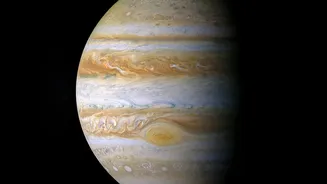
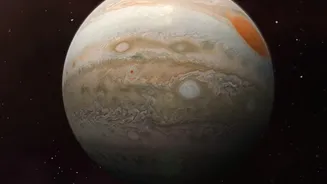
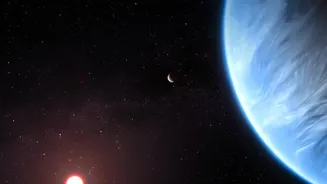
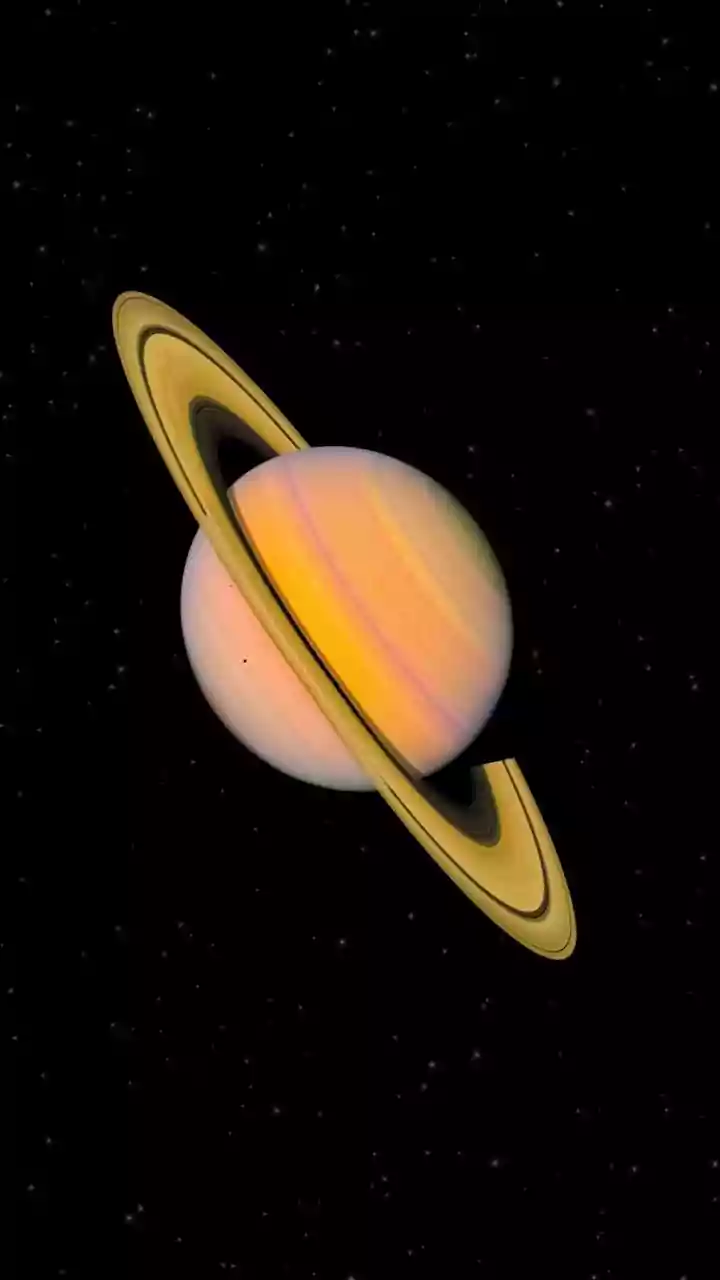
Our solar system has some impressive weather, from Jupiter's Great Red Spot to the chilly methane rain on Titan. But these are quaint by galactic standards. As astronomers peer deeper into the cosmos, they're discovering exoplanets—planets outside our
solar system—with climates that defy imagination. The most extreme examples are found on a class of planets called "ultra-hot Jupiters." These are gas giants that orbit incredibly close to their parent stars, resulting in hellish conditions. On their surfaces, temperatures can soar above 2,400 degrees Celsius, hot enough to vaporise rock and metal.
The Telescopes That See the Unseen
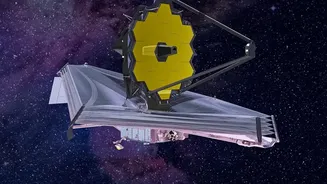
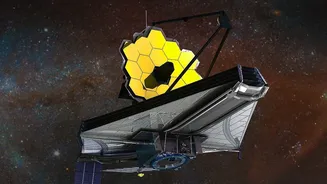
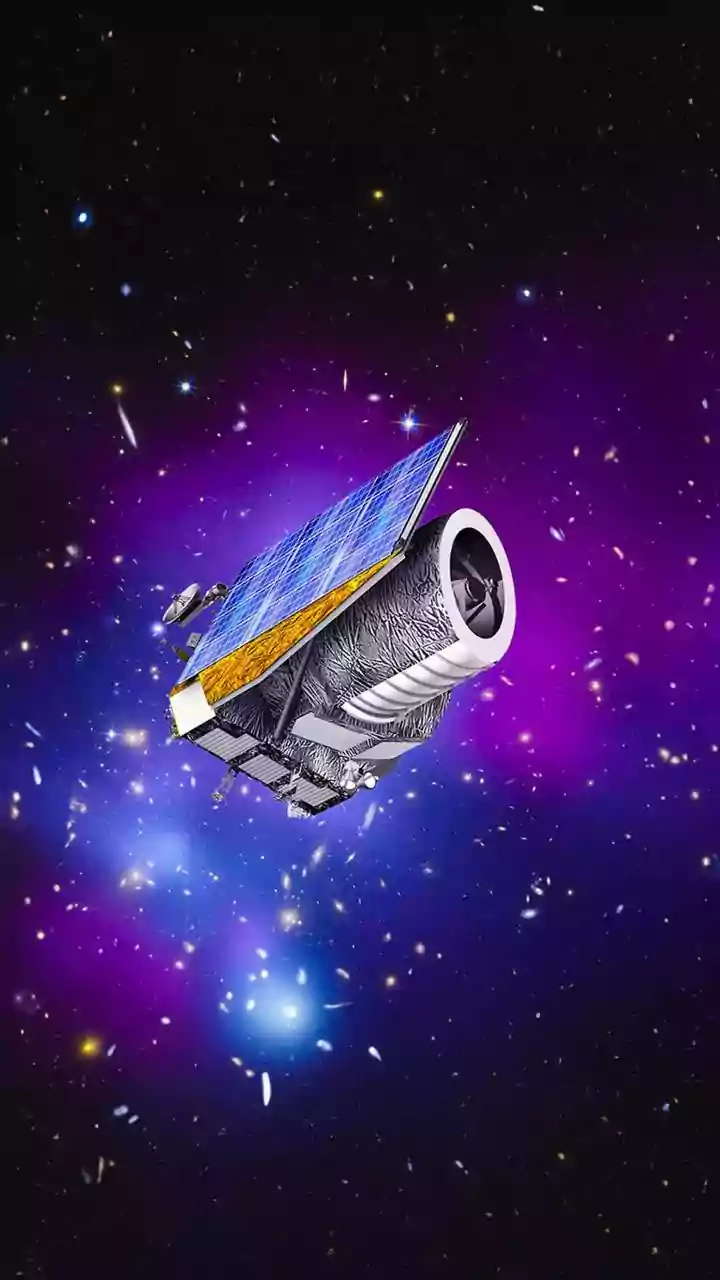
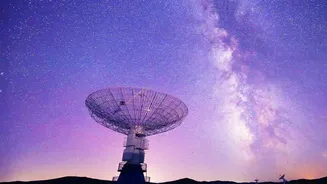
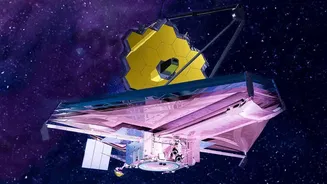
So how do you take the weather report for a planet hundreds of light-years away? The key is infrared light. Telescopes like the James Webb Space Telescope (JWST) and powerful ground-based observatories like the Very Large Telescope (VLT) are equipped with highly sensitive spectrographs. These instruments don't take a simple picture. Instead, they capture the light from a distant star and split it into its component colours, creating a spectrum. This spectrum acts like a barcode, holding detailed information about the star and any planet that might pass in front of it.
Decoding a Planet's Atmosphere
When an exoplanet transits, or passes in front of its star from our point of view, a tiny fraction of the starlight filters through the planet's atmosphere. The atoms and molecules in that atmosphere absorb specific wavelengths of light, leaving tiny, dark lines in the star's spectrum. By analysing these absorption lines, scientists can identify the chemical makeup of the alien atmosphere. This technique, called transmission spectroscopy, is so precise that it can detect elements like sodium, calcium, and even vaporised iron swirling in the air of a world we can never visit.
Welcome to the Iron Rain Planet
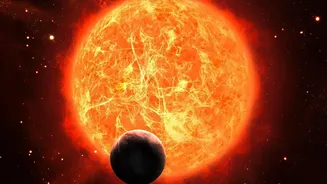
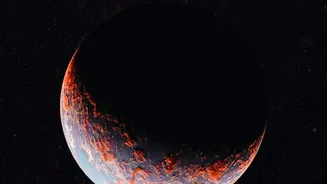
A poster child for this extreme weather is WASP-76b, an ultra-hot Jupiter located about 640 light-years away. This planet is tidally locked to its star, meaning one side perpetually faces the blistering heat while the other side is locked in a permanent, cooler night. The dayside temperature exceeds 2,400°C, hot enough to turn iron into a gas. As this iron vapour is carried by ferocious winds to the cooler night side—where temperatures are still a balmy 1,500°C—it condenses. The result is clouds of liquid iron that produce a downpour of molten metal.
Winds Faster Than Sound
The massive temperature difference between the day and night sides of these tidally locked planets drives the most violent winds ever recorded. On planets like WASP-76b and HAT-P-70 b, wind speeds are not measured in hundreds, but thousands of kilometres per hour. Recent studies have measured wind speeds ranging from over 7,000 km/h to a staggering 25,000 km/h. These are supersonic winds, faster than the speed of sound in that atmosphere, constantly moving heat and vaporised elements from the scorching day side to the cooler night side.
Why These Alien Worlds Matter
Studying these bizarre, hostile worlds is more than just cosmic sightseeing. It pushes the boundaries of our understanding of atmospheric physics. By observing how atmospheres behave under such extreme conditions, scientists can refine their models of planet formation and climate, which helps them understand the full range of planetary possibilities. Furthermore, recent discoveries suggest these powerful winds interact with planetary magnetic fields, a crucial element for protecting a planet's atmosphere and surface from harmful stellar radiation—and a key ingredient for potential habitability. Each extreme world we map helps us better understand our own place in the universe.