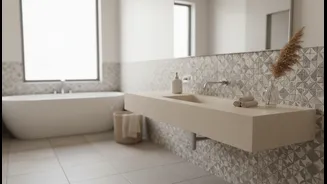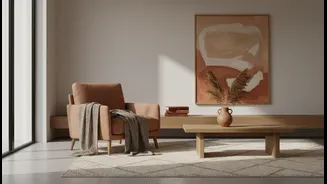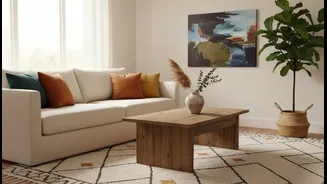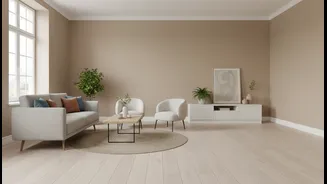





The Power of Contrast
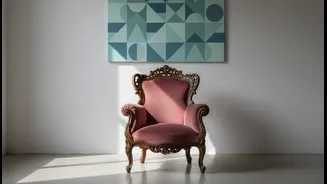
Mixing antique and modern styles is about creating a visual conversation between different eras. The ornate details and rich history of an older piece of furniture are amplified when placed against a clean, minimalist backdrop. A sleek, contemporary room
can sometimes feel cold or impersonal, but adding a single piece with history introduces warmth, character, and a sense of permanence. This intentional juxtaposition is what makes the design feel curated and personal, rather than like a page from a catalogue. The goal isn't to create a museum, but to let each style highlight the best qualities of the other.
Choose Your Hero Piece
To avoid a cluttered or chaotic look, it's best to choose one or two significant older items to serve as focal points. This could be a grand armoire, an intricately carved dining table, or a sofa with a unique silhouette. Let this piece be the star of the room and build the rest of the decor around it. Many designers suggest following an 80/20 rule, where 80% of your decor is modern and 20% is vintage or antique. This ensures the room has a clear identity while the antique accents provide surprising moments of interest and personality.
Create a Simple, Neutral Canvas
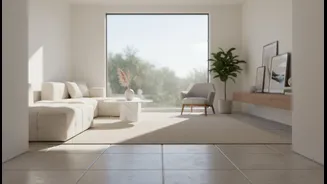
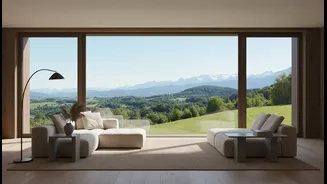
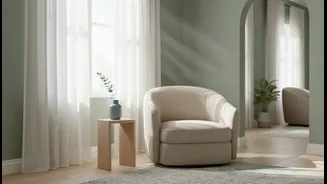
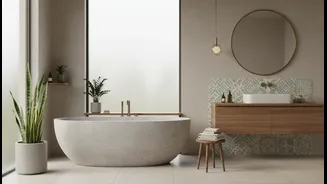
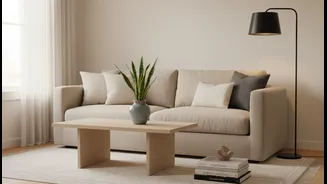
The "simpler modern background" mentioned in the headline is crucial. A neutral colour palette for your walls—think whites, greys, and beiges—provides a calm, uncluttered canvas that allows the details of your antique furniture to shine. This approach prevents the room from feeling too busy and ensures that the vintage piece is the centre of attention. Simple, modern window treatments and uncluttered floors also contribute to this effect, creating negative space that allows each item in the room to breathe.
Balance Scale and Proportion
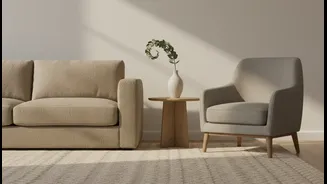
Pay close attention to the size and visual weight of your furniture. An oversized antique cabinet, for example, will feel right at home in a room with high ceilings, but it might overwhelm a smaller space. When placing old and new items near each other, aim for balance. A large, heavy antique table can be paired with light, minimalist chairs to create an interesting dynamic. Conversely, a delicate vintage side table can hold its own next to a modern sofa if it has a unique shape or finish. Spreading pieces of similar visual weight evenly throughout the space will create a sense of harmony.
Unify with Colour and Texture
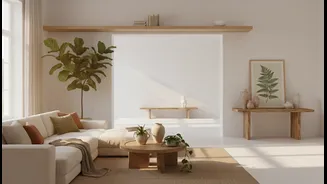
To create a cohesive look, find common threads that tie the old and new pieces together. One of the easiest ways to do this is with colour. Pick a colour from the upholstery of a vintage chair or the patina of an old wood cabinet and repeat it in modern accessories like throw pillows, artwork, or a rug. Texture also plays a key role. The rough, aged wood of an antique chest can be beautifully contrasted with smooth, modern materials like metal and glass, while textiles like velvet or linen can bridge the gap between styles.
Modern Lighting as a Bridge
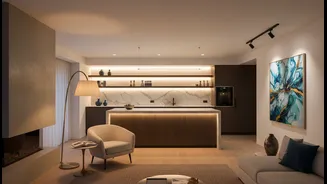
Lighting is a powerful tool for integrating different design styles. Using modern light fixtures can help contextualise antique pieces and make them feel part of a contemporary scheme. A sleek, contemporary floor lamp arching over a traditional armchair or a minimalist chandelier hanging above an antique dining table creates a striking visual link between the two eras. Strategic lighting can also be used to specifically highlight the unique features of your vintage furniture, drawing attention to its craftsmanship and character.