


What Exactly Are Microgreens?
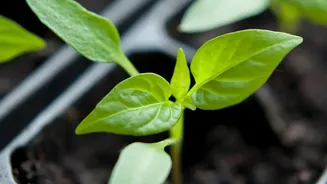
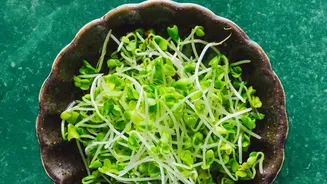
Microgreens are young, edible seedlings of vegetables and herbs, harvested just after the first true leaves have developed. They are smaller than 'baby greens' but more developed than sprouts. Unlike sprouts, which are germinated in water, microgreens
are typically grown in soil or on a growing mat and harvested by cutting the stem just above the soil line. This tiny stage of a plant's life is packed with flavour and an intense concentration of nutrients. They’re a favourite of chefs for adding a pop of colour and taste to dishes, and now they are becoming a staple in home kitchens.
A Nutritional Powerhouse in a Tiny Package
Don't let their small size fool you. Studies have shown that microgreens can contain four to 40 times more nutrients like vitamins C, E, and K than their mature counterparts. They are rich in essential minerals such as potassium, iron, and zinc. This dense nutritional profile means that adding just a small handful of microgreens to your salad, sandwich, or smoothie can significantly boost its health benefits, supporting everything from your immune system to skin health.
Your Simple Windowsill Setup
Getting started with a microgreen garden is far less complicated and expensive than you might think. You don't need a large garden or fancy equipment. All you need is a sunny windowsill that gets a few hours of light a day. The basic materials include shallow trays (recycled plastic takeout containers work well), a growing medium like potting soil or a coconut coir mat, quality seeds, and a spray bottle for watering. This minimalist setup can turn a small, unused space into a productive mini-farm.
Does It Actually Save You Money?
This is the crucial question for many. A small clamshell of pre-packaged organic microgreens at the grocery store can be quite expensive, often costing between $4 and $7 for just a few ounces. In contrast, a packet of seeds costs a few dollars and can produce multiple harvests. The initial investment for trays and soil is minimal, and these can be reused. A single 10x20 inch tray can yield up to a pound of fresh microgreens. While it won't eliminate your grocery bill, the cost per serving for homegrown microgreens is dramatically lower than buying them. Over time, this small-scale farming provides a continuous supply of fresh greens for a fraction of the retail price, making it a cost-effective hobby.
Five Steps to Your First Harvest
Growing microgreens is a quick and rewarding process. First, fill your tray with about an inch of pre-moistened soil. Second, sprinkle your chosen seeds evenly across the surface; don't be afraid to seed densely. Third, gently press the seeds into the soil and lightly mist with water. Cover the tray to create a dark, humid environment for a few days to encourage germination. Fourth, once seeds have sprouted, uncover the tray and place it in a sunny spot. Finally, mist your microgreens daily. In about 7 to 14 days, depending on the variety, your greens will be a few inches tall and ready to be harvested with a pair of scissors.
The Easiest Greens for Beginners
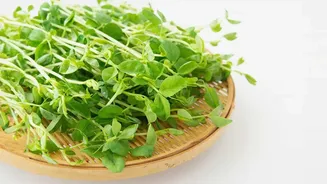
For your first foray into micro-gardening, it's best to start with varieties that are known to be forgiving and fast-growing. Radish, broccoli, and pea shoots are excellent choices for beginners. Radish microgreens have a spicy kick and are ready in about a week. Broccoli microgreens are mild and incredibly nutritious. Pea shoots are substantial, sweet, and one of the most reliable varieties to grow on a windowsill. These easy-to-grow options offer a quick reward and help build confidence for trying more challenging varieties later.