






The Rush Beyond Metros
The traditional path for beauty brands was predictable: launch in Mumbai or Delhi, secure a presence in a few other Tier-1 cities, and consider the market covered. That hierarchy has been completely upended. Today, the real growth engine for India's booming
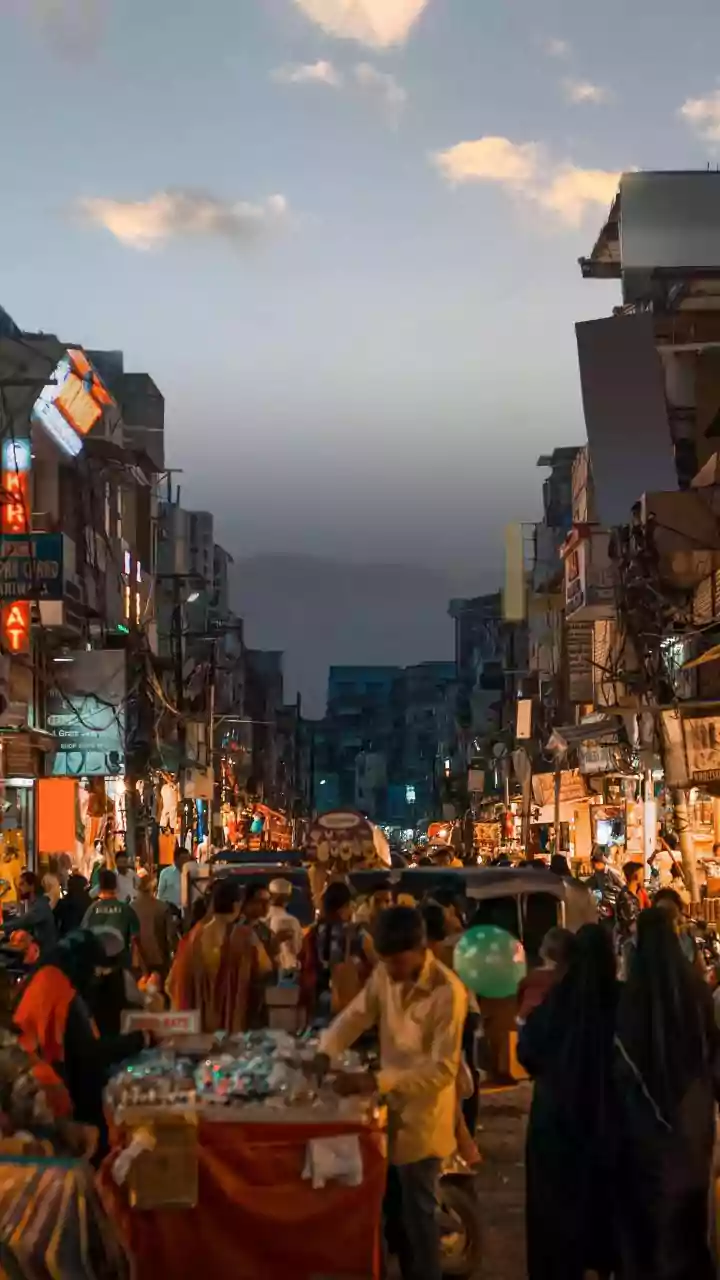
beauty and personal care market lies in its Tier-2 and Tier-3 cities. Major online platforms report that the bulk of their sales now originate from outside the major metropolitan areas. For instance, more than half of Amazon India's premium beauty demand comes from cities like Thrissur, Dehradun, and Guwahati. Similarly, Nykaa, a leading beauty retailer, generates a majority of its revenue from these non-metro markets. This isn't just an e-commerce phenomenon; physical stores are following suit. Luxury brands like Sephora, M.A.C Cosmetics, and Nykaa Luxe are aggressively opening outlets in cities such as Indore, Chandigarh, Lucknow, and Bhopal, signalling a permanent strategic shift.
A New, Informed Consumer
What’s driving this change? A powerful combination of rising disposable incomes, greater digital exposure, and evolving aspirations. The consumer in a city like Jaipur or Surat is no longer waiting for trends to trickle down from the metros. Thanks to social media platforms like Instagram and YouTube, they are highly informed about ingredients, formulations, and global beauty trends. They are researching products, comparing reviews, and seeking solutions for specific concerns like sun protection and anti-ageing. This new generation of buyers is moving beyond basic products and embracing more sophisticated routines that include serums, concealers, and multi-functional items. They are also increasingly interested in 'premiumization within a budget', seeking products with science-backed formulations and quality ingredients at accessible price points.
Digital as the Great Equalizer
E-commerce has been the single biggest catalyst in democratizing access to beauty. A customer in a smaller town no longer has to wait for a brand to open a physical store nearby; a smartphone is all they need to access a world of products. This digital access has bridged the information and availability gap between metro and non-metro consumers. Online retailers have capitalized on this, with platforms like Myntra reporting that nearly 45% of its demand for international brands comes from non-metro markets. Quick commerce platforms like Blinkit and Zepto have further accelerated this trend, enabling impulse purchases and redefining buying behaviour with ultra-fast deliveries, sometimes within hours. This online-first approach has allowed direct-to-consumer (D2C) brands to bypass traditional retail barriers and build direct relationships with customers across the country.
From Clicks to Bricks
While digital platforms opened the door, brands have realised that an omnichannel strategy is crucial for building long-term loyalty. Many consumers still prefer to test products like foundations in person, making physical stores essential for discovery and trust-building. Recognizing this, companies are adopting a dual approach. Nykaa, for example, is increasing its store density in Tier-2 and Tier-3 towns, planning to expand from over 300 stores to more than 600 by FY30. They are also using differentiated formats, with 'Nykaa On-Trend' stores targeting mass and mid-range consumers in smaller cities, while 'Nykaa Luxe' caters to the premium segment. This physical expansion is often more cost-effective, as operational costs like rent are lower in smaller cities.
The Challenges Ahead
Despite the immense potential, navigating these new markets comes with its own set of challenges. Price sensitivity remains a significant factor, and brands must also contend with the threat of counterfeit products that can erode consumer trust. Logistics are another major hurdle. Demand in smaller towns is often scattered, making last-mile delivery complex and costly. Brands that succeed will be those that can build reliable delivery networks and manage their inventory effectively to avoid stockouts. Building trust is paramount. This involves not just consistent product availability and reliable fulfilment, but also localized marketing strategies that resonate with regional needs and preferences.