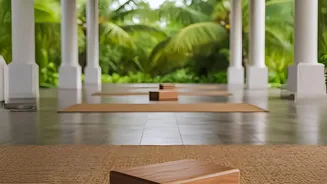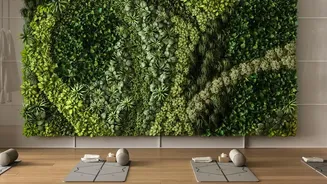







Find and Define Your Space
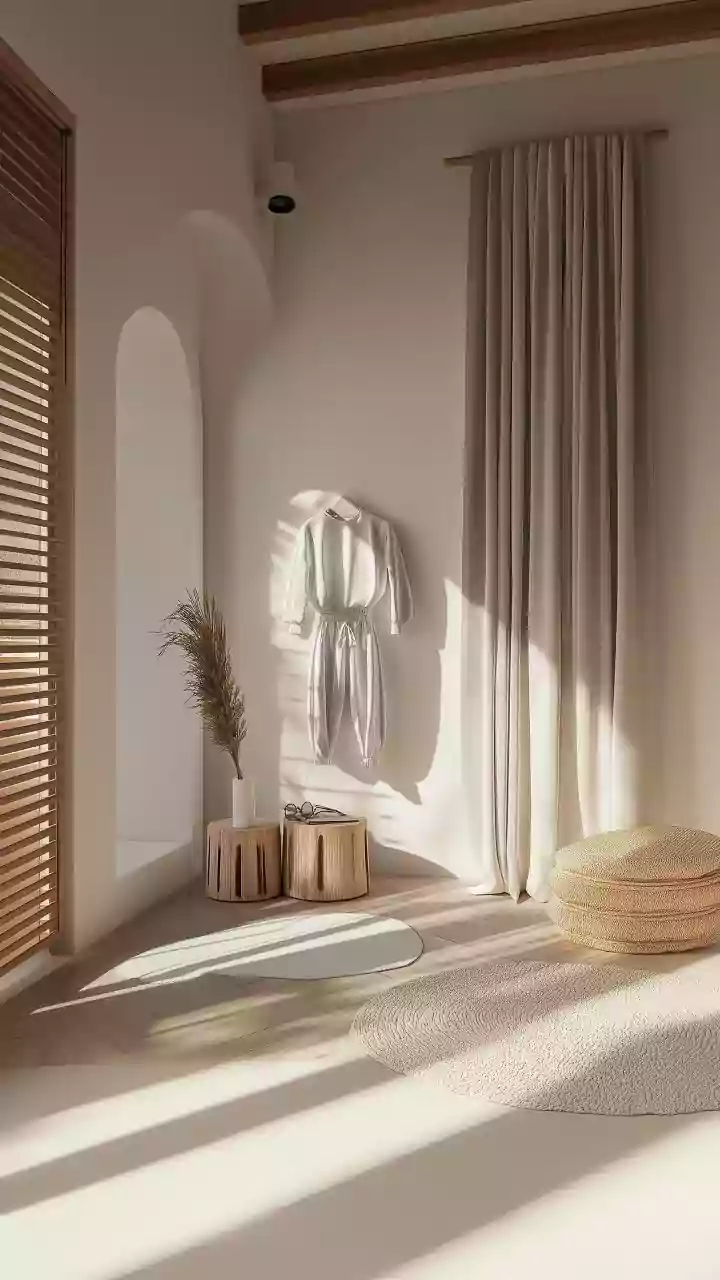
The first step is to choose your spot with intention. It doesn't need to be an entire room; a quiet corner in your bedroom or a small, clear area in the living room works perfectly. The key is consistency. By returning to the same spot for each practice,
you train your brain to switch into a calmer, more focused mode the moment you arrive. Look for a space with natural light if possible, as this can boost your mood, but any area where you feel comfortable and can move without bumping into furniture will work. The most important thing is to declutter. A tidy space helps create a tidy mind, reducing distractions and allowing you to be more present.
The Foundation: Your Mat (or Alternative)
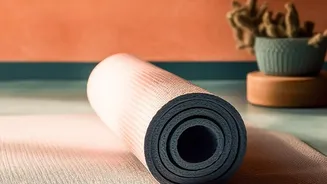
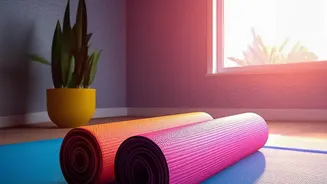
While a yoga mat provides ideal grip and cushioning, its absence shouldn't stop you. If you're practicing on a carpeted surface or even grass, a large beach or bath towel can work for gentle or restorative styles. A towel offers a clean, personal surface that's easy to wash. However, be mindful on hard floors like wood or tile, as a towel can slip during more dynamic poses and offers very little joint protection. If you don't have a mat, practicing on a non-slip rug can be a good substitute. The goal is to have a foundation that feels stable and comfortable.
Resourceful Props for Support
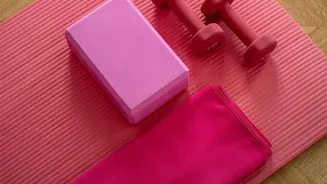
Professional yoga props are helpful, but your home is likely full of effective substitutes. For yoga blocks, which bring the floor closer to you and aid in alignment, a sturdy stack of thick books is a classic stand-in. Make sure the books are of a similar size to create a stable surface. For a yoga strap, which helps extend your reach in stretches, grab a bathrobe belt, a regular belt, or even a long scarf or towel. A bolster, used for support in restorative poses, can be recreated by tightly rolling two or three firm towels or blankets and securing the bundle with belts or string. You can also use firm cushions from your sofa. These items provide the support needed to relax more deeply into poses.
Set the Mood and Engage the Senses
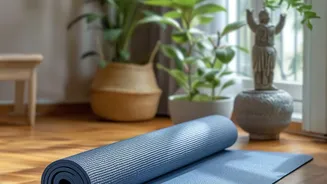
Designing a calm space goes beyond physical props. Think about creating a multi-sensory experience. For sight, keep the lighting soft. A simple lamp with a warm bulb or some string lights can create a gentler ambiance than harsh overhead lighting. Consider your sense of sound; you might create a playlist of calming instrumental music, use a white noise app, or simply embrace the quiet. For smell, you don't need a fancy diffuser; opening a window for fresh air or lighting a simple candle (placed safely away from any fabrics) can make the space feel more special. Adding a small plant or a few flowers can also bring a touch of nature and life to your corner. The goal is to create an environment that signals to your body and mind that it's time to slow down.