

More Than Just a Vacation
For a growing number of Indian travellers, a holiday is no longer simply about escaping daily routine; it's about returning renewed. The focus is shifting from packed itineraries to purposeful journeys that restore mental and physical wellbeing. This
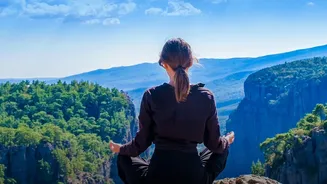
has given rise to a more integrated travel style where a single trip can include leisure time on a beach, a trek through a national park, yoga sessions, and quiet moments of spiritual reflection. This isn't about giving up enjoyment, but redefining it. Instead of coming home exhausted, travellers want to feel calmer, healthier, and more connected to themselves and the world around them.
The Search for Wellness
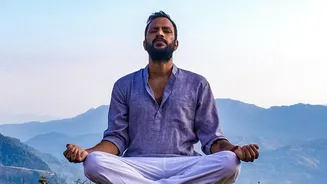
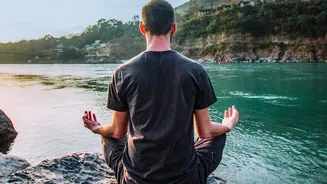
Wellness tourism is a major driver of this new trend, with the Indian market valued at over USD 30 billion in 2026. This boom is fuelled by a collective desire to combat burnout from long work hours and screen fatigue. Travellers are actively seeking experiences that promise a reset. India, with its deep roots in practices like Ayurveda, yoga, and meditation, is uniquely positioned to meet this demand. Destinations such as Rishikesh in Uttarakhand and the backwaters of Kerala have long been hubs for wellness. What's new is how these offerings are being integrated with luxury stays and leisure activities, moving beyond niche retreats to become a central part of the holiday experience. Resorts now offer everything from sound healing therapies to curated organic meals alongside traditional holiday comforts.
A Journey Inward
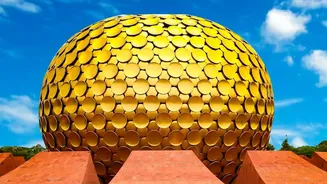
Spiritual tourism in India is also undergoing a significant transformation. It's expanding beyond traditional pilgrimages to attract a wider audience of 'experience seekers' and lifestyle travellers. While religious sites remain incredibly popular—attracting over 1.4 billion domestic visitors in 2022—the motivation is often now a blend of faith and a search for peace. People are visiting places like Varanasi or the Char Dham circuit not just for religious reasons, but for the cultural and contemplative experience. The industry is responding by developing holistic ecosystems around these sites, integrating better infrastructure, storytelling, and wellness facilities to create more immersive journeys. This shift transforms a 'darshan' into a destination experience.
Answering Nature's Call
The third pillar of this new tourism mix is a powerful pull towards nature. Ecotourism in India has surged in popularity as travellers seek out mountains, forests, and wildlife reserves for their holidays. This isn't just about adventure; it's about finding tranquility in natural surroundings. Destinations in the Himalayas, the Western Ghats, and the Northeast are becoming go-to spots for those looking to disconnect. Many eco-resorts and homestays offer experiences that combine low-impact living with activities like bird watching, trekking, and exploring local biodiversity. This form of travel often supports local communities and conservation efforts, allowing travellers to feel their vacation has a positive impact.
Why This Shift is Happening Now
Several factors are driving this evolution in travel preferences. The post-pandemic era has left many with a desire for more meaningful experiences and a greater focus on health and wellbeing. Rising incomes and a growing dissatisfaction with the stresses of urban life are pushing people to seek holidays that offer genuine rest. Furthermore, significant improvements in infrastructure, such as new expressways and railway links, are making it easier to combine multiple destinations into a single, seamless trip. For instance, new road corridors now link heritage sites with wildlife sanctuaries, and pilgrimage routes with serene nature getaways, making blended travel more accessible than ever before.