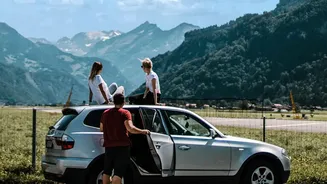








The classic Indian family holiday—planned for months and saved for all year—is being replaced. A new generation of travellers is rewriting the rules, favouring a travel style that is frequent, flexible, and fits into a busy modern life.
The Rise of the Micro-Cation
The long-cherished
tradition of the single, extended annual vacation is fading. In its place, a new travel phenomenon known as the 'micro-cation' is taking hold, especially among Gen Z. This trend sees young Indians trading one long holiday for several shorter, more frequent getaways throughout the year. According to a 2026 Airbnb report on Gen Z travel in India, a remarkable seven out of ten young travellers prefer taking three short trips over one long annual holiday. Furthermore, 87% favour trips that last less than a week, with weekend breaks and three-to-five-day excursions becoming the norm. This isn't just a preference; it's a fundamental shift in how travel is perceived. It's no longer a once-a-year event but a regular, integrated part of life, often planned spontaneously in response to a long weekend, a need for a mental break, or simply a friend's suggestion.
Why Shorter and More Frequent is Better
Several factors are driving this shift. Firstly, financial and professional realities play a huge role. For many young professionals and students, taking two consecutive weeks off work is a logistical and financial challenge. Quick getaways are more budget-friendly and align better with demanding schedules and limited paid leave. Secondly, travel has become an act of self-expression and a tool for mental wellness. A significant 93% of Gen Z travellers report that travel improves their mental wellbeing, helping them feel less anxious and more resilient. Short, frequent breaks serve as regular resets to combat burnout, which is cited as a top trigger for planning a trip. The desire for constant, shareable experiences, fueled by social media platforms like Instagram and TikTok, also makes a steady stream of smaller adventures more appealing than a single, isolated event.
The Anti-Itinerary Generation
Gen Z's approach to planning is as different as their travel frequency. Dubbed the 'anti-itinerary' generation, they prioritise spontaneity and personal meaning over rigid schedules and tourist traps. An overwhelming 95% want their trips to feel personal and unique, not pre-planned or typical. Many intentionally leave large parts of their schedule open for spontaneous discoveries. This generation is also actively seeking out undiscovered destinations, with 90% of young Indian travellers stating they look for places that haven't gone viral online. It's less about seeing the most famous landmarks and more about experiencing the small moments, like exploring a local market or simply relaxing. In fact, for many, the accommodation itself has become the destination, with a majority saying they spend at least half their trip time at their stay.
Experience and Connection Over Destination
For this new wave of travellers, the 'why' and 'who' of travel often matter more than the 'where'. Three in four Gen Z travellers in India agree that who they travel with is more important than the destination itself. This has led to a rise in group trips, with a preference for shared homes over separate hotel rooms to foster a sense of community and connection. The purpose of the trip is also paramount. Young travellers are increasingly planning trips around specific events or interests, such as music festivals, concerts, or culinary tours. In one survey, 62% of Indian Gen Z respondents said they planned to travel for concerts in 2026. This focus on experience means that travel is no longer just about sightseeing; it's about engaging in activities that align with their passions and create lasting memories.