
The Renter's Revolution
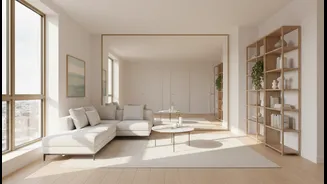
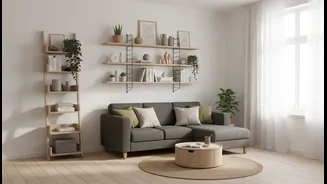
For years, tenants have faced a choice: live with bland, builder-grade finishes or risk their security deposit with unauthorized changes. This is especially true in compact urban apartments where every square inch matters. The desire to personalize a living
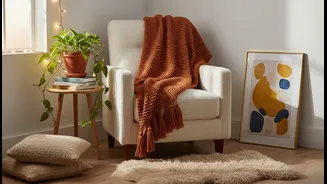
space, to make a house feel like a home, has fueled a creative workaround that is booming in popularity. Peel-and-stick products offer a commitment-free way to inject personality and style into a rental property. This trend is about more than just decoration; it's about reclaiming a sense of ownership and control over one's environment, even when the property deed belongs to someone else. It's an affordable, accessible solution for a generation accustomed to flexibility and customization.
More Than Just Wallpaper
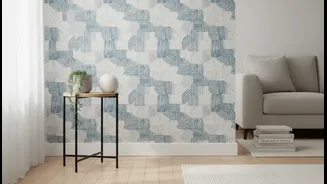
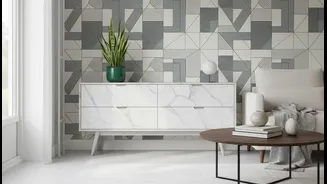
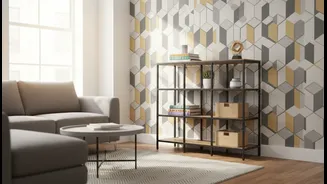
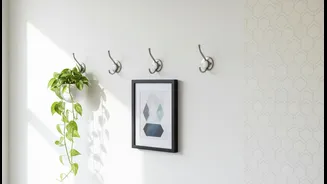
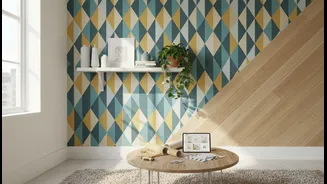
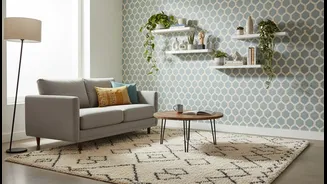
When you hear "peel-and-stick," you might immediately think of wallpaper. While removable wallpaper is a major player, the category has expanded dramatically. Today, you can find self-adhesive solutions for almost any surface. Think 3D tiles that mimic the look of a real ceramic backsplash, durable vinyl stickers to cover dated flooring, and decorative films to resurface old furniture. These products are designed to be DIY-friendly, requiring few tools and no professional help. You can find options that look like subway tiles, Moroccan patterns, marble, and textured wood, allowing for a high-end look on a strict budget.
A Weekend Kitchen Makeover
The kitchen is often the heart of the home, but in rentals, it can be the most dated room. Peel-and-stick backsplashes are a game-changer. These tiles are often water-resistant and easy to clean, making them ideal for the area behind a sink or stove. Applying them is as simple as peeling off the backing and pressing them onto a clean, smooth wall, instantly hiding old or unappealing tiles. The same principle applies to flooring. If you're stuck with cracked linoleum or worn-out tiles, peel-and-stick floor decals can cover the entire surface in a few hours, completely transforming the room's aesthetic without any messy demolition or adhesives.
Know Before You Stick
While these products are revolutionary for renters, it's important to be realistic. The biggest advantage is their removability, allowing you to get your deposit back. They are also significantly more affordable than traditional renovations. However, there are downsides. The quality can vary greatly between brands, with cheaper options sometimes looking glossy or flimsy. They adhere best to smooth, clean surfaces; textured walls can cause issues with bubbling or peeling edges. High-humidity areas like bathrooms can also shorten the lifespan of the adhesive, though many manufacturers now offer moisture-resistant options specifically for these spaces.
Tips for a Flawless Finish
To ensure your peel-and-stick project looks professional and lasts as long as possible, preparation is key. Always start by thoroughly cleaning the surface to remove any grease or dust. For wallpaper, use a level to draw a straight vertical line to guide your first piece—walls are rarely perfectly straight. When applying, peel back only a small section of the backing at a time, smoothing the product onto the surface with a plastic squeegee or flat edge to push out air bubbles. When it's time to move, most products come off cleanly. If you encounter any resistance, a little gentle heat from a hairdryer can help soften the adhesive, making removal even easier.