


The Timeless Appeal of the Chignon
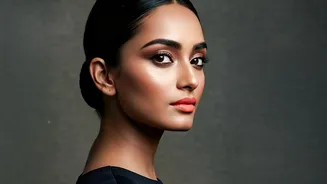
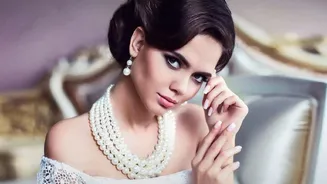
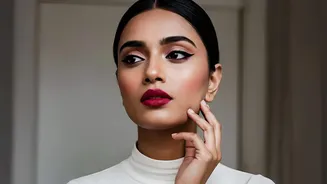
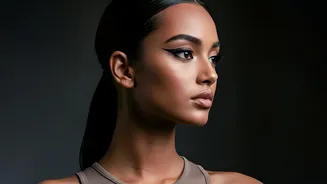
First, what exactly is a chignon? The name comes from the French phrase 'chignon du cou', which means 'nape of the neck'. Unlike a regular bun that can be placed anywhere on the head, a true chignon sits low, at the base of the neck. It’s a specific type
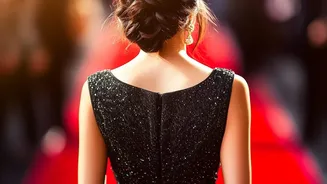
of bun, traditionally created by twisting or knotting the hair into a sleek shape. This placement gives it a signature elegance, making it a timeless choice for brides and ballerinas. But its versatility allows it to be adapted for much more than just formal occasions. By softening the lines, this sophisticated updo becomes a practical and stylish option for everyday wear.
How to Create Your Base Chignon
Before you can loosen the look, you need a solid foundation. Start with hair that isn't freshly washed; second-day hair often has more grip and texture. If your hair is clean, a light mist of texturizing or salt spray can provide the hold you need. Begin by brushing your hair to remove any tangles and gather it into a low ponytail at the nape of your neck. Secure it with a hair tie. Now, twist the ponytail from the base to the ends until it begins to coil around itself. Wrap this twisted 'rope' of hair around the base of the ponytail to form a bun. Secure it firmly with several bobby pins, making sure to push them into the base of the style for a stable hold.
The Art of the Effortless Strand
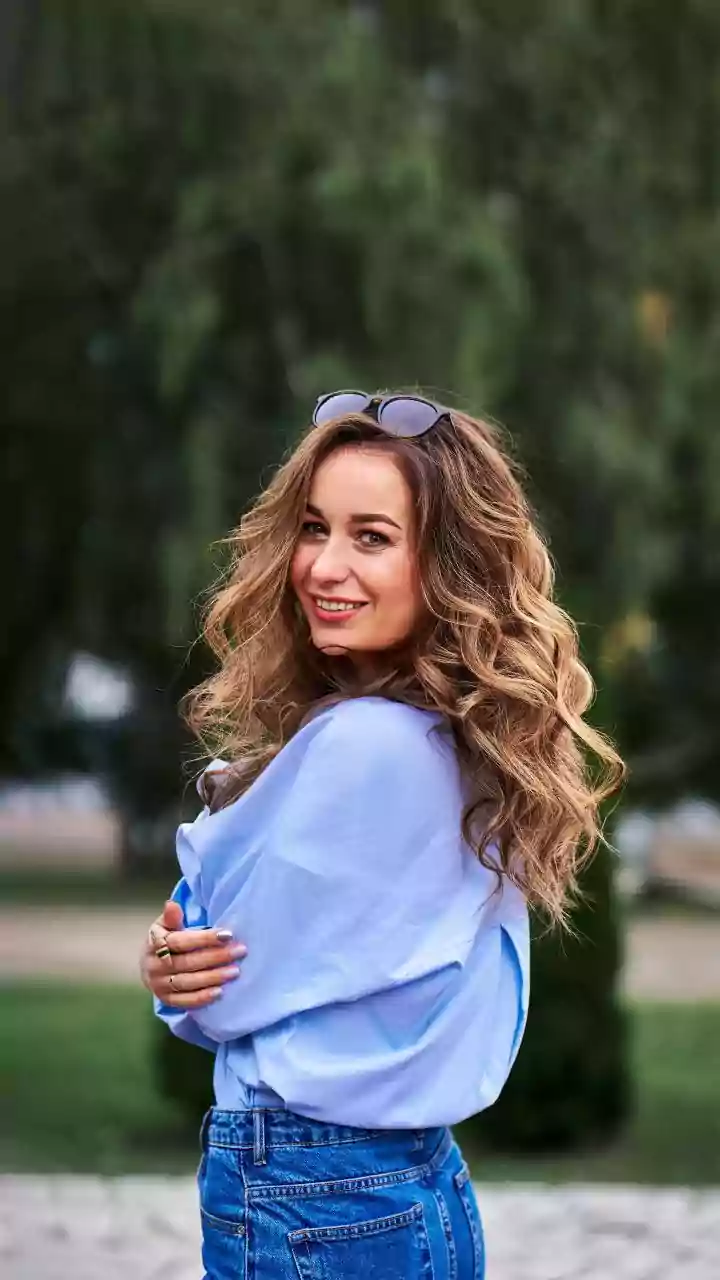
Here is where the magic happens. The key to making a chignon look casual and modern is to release it from its perfect, tight structure. The most effective way to do this is by freeing a few face-framing pieces. Instead of pulling strands from the bun itself, which can cause it to unravel, focus on the hair around your hairline. Before you even start the bun, you can separate small sections of hair on either side of your face. If you forget, you can gently pull them out after the bun is secure. The trick is to not pull out too much; you want soft, wispy tendrils, not thick chunks. These pieces soften the entire look, making it less severe and more romantic.
Tailoring Tendrils to Your Face Shape
The placement and length of your loose strands can be customised to flatter your features. For rounder faces, longer pieces that fall below the chin can create a vertical line, adding a sense of length. If you have a square jawline, soft, wispy pieces starting around the cheekbone can soften the angles beautifully. Those with oval or long faces have more versatility and can experiment with layers that start at the cheekbone to add a bit of width and softness. For heart-shaped faces, strands that begin at or below the chin help to create balance with a wider forehead.
Finishing Touches for a Polished-but-Relaxed Look
An 'undone' style still requires a little effort to look intentional. Once your strands are pulled out, you might want to give them a slight bend or wave with a curling iron for a more romantic feel. Always curl them away from your face for the most flattering effect. To combat frizz and ensure the look holds without becoming stiff, use a light-hold hairspray or a texturizing spray. The goal is to have movement and softness, so avoid heavy gels or creams that can weigh the hair down and make it look greasy rather than chic. A lightweight styling cream applied to damp hair before you start can also help define texture without the crunch.
More Ways to Go Casual
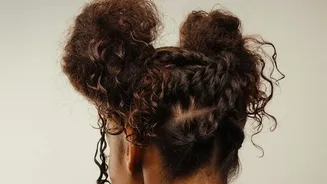
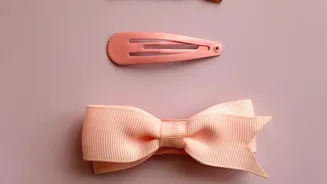
Pulling out front strands is just one way to relax a chignon. For an even more bohemian vibe, try a braided chignon by plaiting your ponytail before twisting it into a bun. This also adds great texture and can be a good option for slippery, fine hair. You can also gently tease the bun with your fingertips to add volume and create a more 'tousled' finish. Adding accessories like a simple ribbon, a velvet bow, or decorative pins can also shift the style from formal to fun, making it the perfect updo for almost any casual day.