


Embark on a captivating journey through time with this five-day itinerary exploring Maharashtra's immense historical treasures. From colonial-era marvels to ancient rock-cut temples, this path reveals the layered and fascinating past of the state.
Day 1: Colonial Grandeur and Ancient Caves in Mumbai
Begin
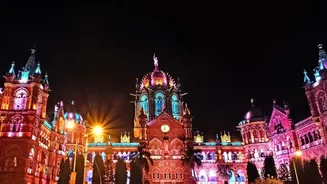
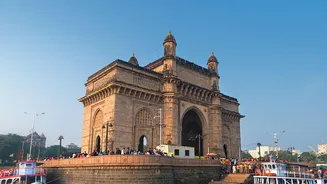
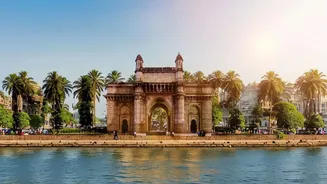
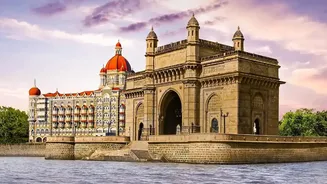
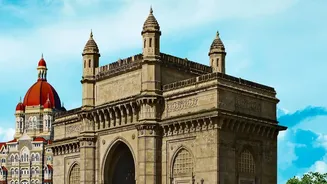
your historical tour in the bustling heart of Mumbai. Start your morning at the iconic Gateway of India, an imposing arch monument built in 1924 to commemorate the visit of King George V and Queen Mary. From there, take a one-hour ferry ride across the Arabian Sea to Elephanta Island, a UNESCO World Heritage Site. Spend a few hours exploring the magnificent Elephanta Caves, a collection of rock-cut temples primarily dedicated to the Hindu god Shiva and dating back to the 5th to 6th centuries. Return to the mainland in the afternoon and visit the Chhatrapati Shivaji Maharaj Terminus, another UNESCO site and a spectacular example of Victorian Gothic architecture that functions as one of India’s busiest railway stations. End your day with a walk along Marine Drive, appreciating the Art Deco buildings that line the promenade.
Day 2: The Mighty Forts of the Deccan
Take an early morning flight or train from Mumbai to Aurangabad, your base for exploring some of India's most profound archaeological sites. After checking in, travel to the formidable Daulatabad Fort, a medieval fortress perched on a conical hill just 15 kilometres from the city. Known for its complex defense systems, including winding tunnels and steep climbs, the fort offers a glimpse into the military strategies of the 14th century. In the evening, visit Bibi Ka Maqbara, a beautiful mausoleum built by the Mughal emperor Aurangzeb in memory of his wife. Often called the 'Mini Taj', its intricate designs and serene gardens provide a peaceful conclusion to the day.
Day 3: The Unparalleled Ellora Caves
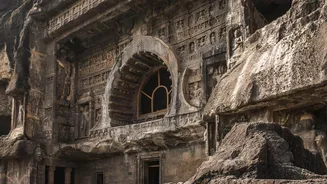
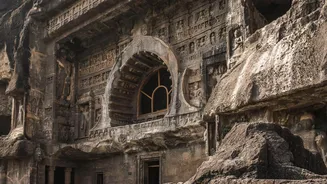
Dedicate today to the Ellora Caves, a UNESCO World Heritage site located about 30 kilometres from Aurangabad. This remarkable complex features over 30 rock-cut monasteries and temples representing Buddhist, Hindu, and Jain faiths, showcasing the religious harmony of the era. The centerpiece is Cave 16, the Kailasa Temple, which is the world's largest single monolithic rock excavation. Carved from top to bottom out of a single rock, its sheer scale and detailed sculptures are breathtaking. Spend several hours wandering through the different caves, which were built between the 6th and 10th centuries. Nearby, you can also visit the Grishneshwar Jyotirlinga Temple, one of the 12 sacred abodes of Shiva.
Day 4: The Artistic Marvels of Ajanta
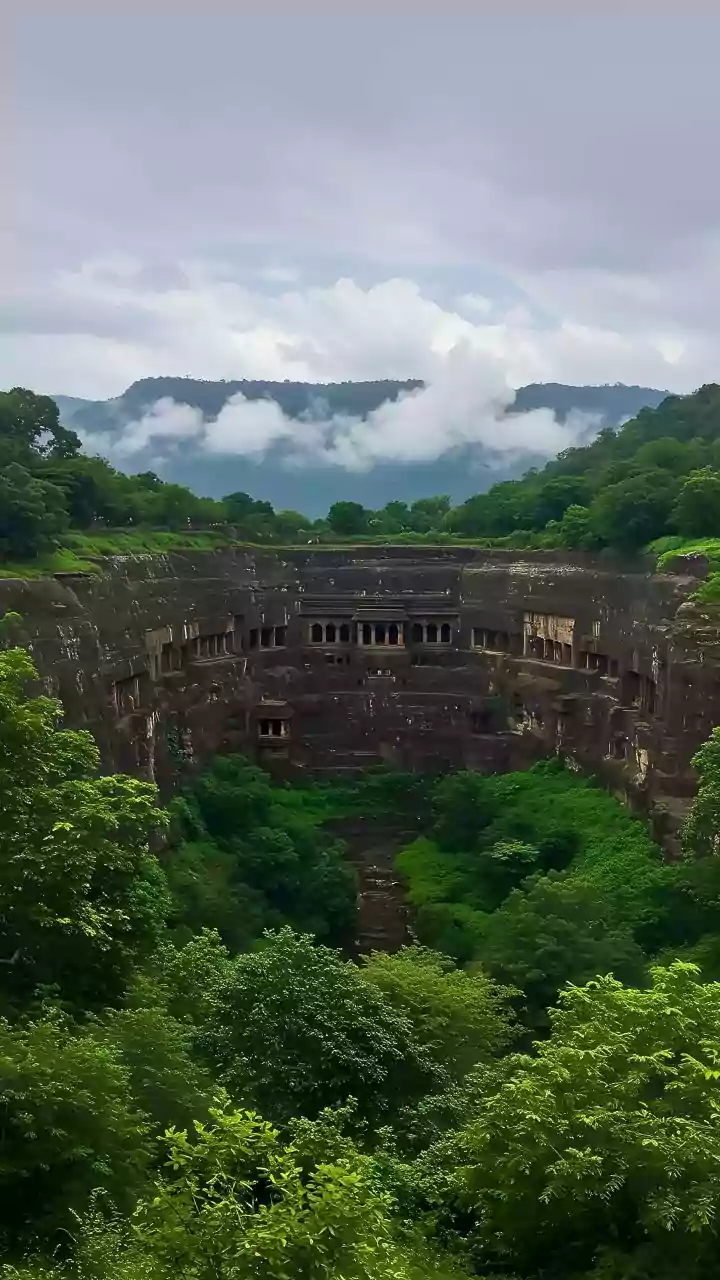
Prepare for a full-day excursion to the Ajanta Caves, another UNESCO World Heritage site situated around 100 kilometres from Aurangabad. These 30 rock-cut Buddhist cave monuments date from the 2nd century BC to about 480 AD. Unlike Ellora, Ajanta is celebrated for its stunning murals and frescoes, which are among the finest surviving examples of ancient Indian art. The paintings vividly depict the Jataka tales, which are stories of the Buddha's previous lives. The U-shaped gorge location adds to the dramatic beauty of the site. Hiring a licensed guide is recommended to fully appreciate the meaning and stories behind the intricate artwork.
Day 5: The Heart of the Maratha Empire in Pune
Travel from Aurangabad to Pune, the cultural capital of Maharashtra and the historical seat of the Maratha Empire. Your first stop is Shaniwar Wada, the fortified palace that was the home of the Peshwas, who were the prime ministers of the Maratha Empire. Though much of the palace was destroyed by a fire, the grand gates and fortification walls still stand as a testament to its former glory. In the afternoon, visit the Aga Khan Palace, a landmark with a different historical resonance. Built in 1892, it served as a prison for Mahatma Gandhi and other freedom fighters during the Quit India Movement. Its serene grounds and photo galleries offer a moment of reflection on India's struggle for independence.