





The Anatomy of a Perfect Wrap
Think of a wrap not as a strict recipe, but as a balanced equation. To create a satisfying and flavourful wrap every time, you just need to combine five key elements: a base, a protein, fresh vegetables, a flavourful sauce, and a little bit of crunch.
This modular approach means you can use whatever you have in your fridge and pantry, making it an incredibly versatile meal. Whether you have leftover chapati from dinner or some paneer that needs to be used, you're always just minutes away from a fantastic meal. This method ensures a perfect balance of textures and tastes in every bite.
Start with Your Base
The foundation of your wrap can be anything from a classic whole wheat chapati or roti to a soft tortilla or a flaky paratha. There’s no wrong answer here; the best choice is often what you have on hand. Using leftover flatbreads is a brilliant way to give them a new life. For the best results, warm your wrap slightly in a dry pan or for a few seconds in the microwave. A warm wrap is more pliable and less likely to crack or tear when you fold it.
Pick a Power-Packed Protein
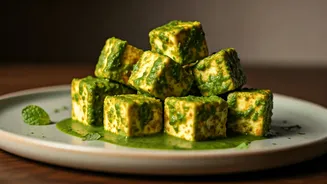
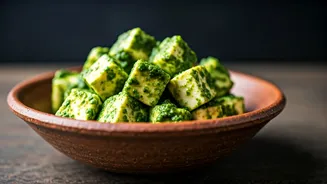
Protein is what gives your wrap its staying power. For a delicious vegetarian option, cubed paneer is a fantastic choice. You can marinate it in a simple mixture of yogurt (curd), ginger-garlic paste, and spices like turmeric, red chilli powder, and garam masala before pan-frying. Cooked chickpeas or kidney beans (rajma) also work wonderfully. For non-vegetarians, leftover chicken, whether it's from a tandoori dish or a simple roast, can be shredded and used. Simply cook your chosen protein until it's ready and set it aside for assembly.
Add Freshness and Veggies
This is where you can add colour, nutrients, and a refreshing crunch. Thinly sliced onions, shredded carrots, chopped cabbage, and crisp capsicum (bell peppers) are all excellent choices that are easy to prepare. Lettuce or fresh spinach leaves can form a nice bed for the other ingredients. You can use these vegetables raw for maximum crunch, or lightly sauté them with your protein. Just be mindful not to overcook them; you want the veggies to retain some of their texture.
The Secret is in the Sauce
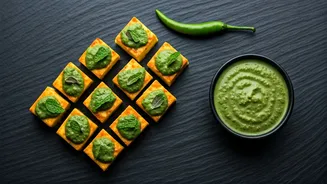
A good sauce ties everything together and prevents the wrap from being dry. A simple green chutney made from mint and coriander is a classic Indian choice that provides a burst of fresh flavour. A creamy spread made from hung curd or Greek yogurt mixed with minced garlic, pepper, and a pinch of chaat masala is another quick and healthy option. Even a simple layer of tomato ketchup or a spicy chilli sauce can do the trick. Spread a thin, even layer across your flatbread before adding the fillings.
How to Assemble and Fold
Proper assembly is the key to a wrap that doesn’t fall apart. Lay your warm flatbread down and apply your sauce. Place your fillings in a line just below the centre of the wrap, being careful not to overfill it—this is a common mistake that leads to a messy meal. First, fold the left and right sides in over the filling. Then, take the bottom edge (the part closest to you) and fold it up and over the filling, tucking it in tightly. Continue to roll from the bottom up to create a secure, compact cylinder. If you like, you can then place the wrap seam-side down on a warm pan for a minute to help seal it and give the outside a light toast.