







A Perfect Storm of Disruptions
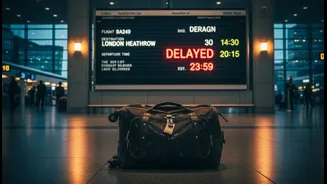
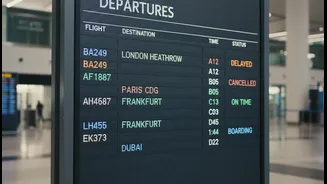
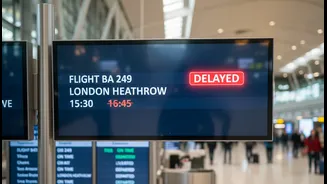
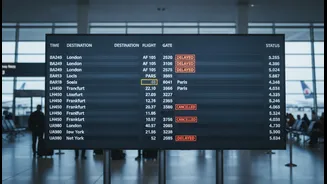
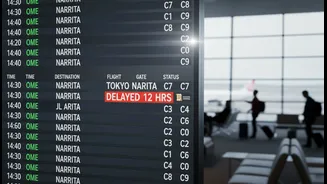
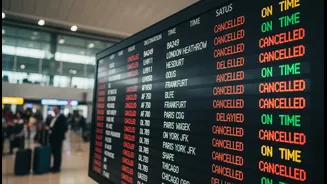
Indian aviation is currently navigating significant turbulence. Recent data points to a challenging period, with a notable number of flight cancellations and delays across major airports like Mumbai and Bengaluru. This isn't just about monsoon-related
issues; operational challenges, technical snags, and airline-specific financial pressures are contributing to widespread schedule instability. Surveys from late 2025 and early 2026 already highlighted growing passenger dissatisfaction, with a high percentage of travellers reporting issues with timeliness, staff behaviour, and overall service cutbacks. This has created an environment where passengers are no longer willing to passively accept disruptions.
From Viral Rants to Legal Rights
Social media has become a powerful tool for stranded passengers. Viral posts detailing chaotic airport scenes, unresponsive staff, and last-minute cancellations have put immense public pressure on both airlines and regulators. This increased scrutiny means travellers are more motivated than ever to understand the rules that govern air travel. They are moving beyond simply venting their frustration online and are actively seeking information about their entitlements under the Directorate General of Civil Aviation (DGCA), India's aviation watchdog. This shift from complaint to action is forcing a new level of accountability.
Your Rights: When Your Flight is Delayed
The DGCA has specific rules for what you are owed during a delay. These are not just suggestions; they are binding regulations. For domestic flights, if your flight is delayed by two hours or more, the airline must provide you with free meals and refreshments. If the delay extends overnight, they must offer hotel accommodation and transfers. Crucially, while airlines are exempt from paying financial compensation for delays caused by 'force majeure' events like bad weather or security risks, this exemption does not apply to their duty of care. They must still provide meals and accommodation regardless of the reason for the delay.
Your Rights: If Your Flight is Cancelled
When an airline cancels your flight, you have a choice: a full refund or an alternate flight. The airline cannot force you to take one over the other. If the airline informs you of the cancellation less than 24 hours before departure, you are entitled to financial compensation in addition to the refund or rebooking. This compensation is mandated by the DGCA and ranges from ₹5,000 to ₹10,000 for domestic flights, depending on the flight's block time. Airlines cannot compel you to accept travel vouchers instead of a cash refund.
Your Rights: Denied Boarding and Overbooking
Airlines often overbook flights to account for no-shows. If you are involuntarily denied boarding on a flight you have a confirmed ticket for, you are entitled to significant compensation. Under DGCA rules, this can be up to 400% of your one-way base fare plus fuel charges, capped at ₹20,000. This is in addition to the airline's obligation to arrange an alternate flight for you. If you choose not to take the alternate flight offered, you are still entitled to a full refund on top of the denied boarding compensation.
How to Make Your Voice Heard
Knowing your rights is the first step; enforcing them is the next. Always keep a record of everything: your ticket, boarding pass, any communication from the airline (SMS, email), and receipts for expenses incurred. The first step is to file a complaint directly with the airline’s grievance cell, usually via their website. If you don't receive a satisfactory response, you should escalate the issue by filing a complaint on the government's AirSewa portal (airsewa.gov.in). This official platform tracks passenger grievances and ensures they are addressed by the airlines under the DGCA's purview. For unresolved issues, the final recourse is to approach a consumer court.