
Garam Masala: The Heart of Indian Cuisine
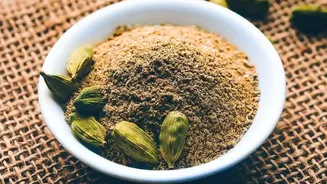
Perhaps the most famous blend featuring cinnamon and cardamom, Garam Masala is a cornerstone of North Indian cooking. The name translates to 'warm spices', which refers not to spiciness but to the Ayurvedic concept of warming the body. Recipes vary widely
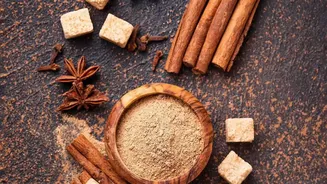
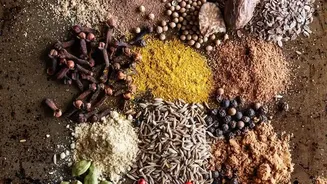
by region and even by family, but a core combination of cinnamon, cardamom, cloves, cumin, and black pepper is common. In this blend, cinnamon provides a sweet, woody foundation, while green cardamom lends a bright, almost citrus-like aromatic lift. It’s typically added near the end of cooking to preserve its potent fragrance. Use it to finish lentil dals, season roasted meats, or stir into yogurt for a simple marinade.
Baharat: The All-Purpose Middle Eastern Blend
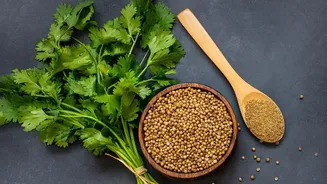
Baharat simply means 'spices' in Arabic, and it serves as a versatile, all-purpose seasoning in Middle Eastern cuisine. While versions differ, they are generally warm, earthy, and subtly sweet. A typical Baharat includes black pepper, cumin, coriander, and cloves, with cinnamon and cardamom playing a key role. Here, cinnamon contributes a mellow sweetness that balances the earthiness of cumin, while cardamom offers its signature complex aroma. Baharat is wonderful as a rub for lamb or chicken, a seasoning for ground meat in dishes like kibbeh, or stirred into lentil soups and rice pilafs for added depth.
Advieh: The Fragrant Soul of Persia
Advieh is the delicate and aromatic spice mix central to Iranian (Persian) cuisine. Unlike more pungent blends, Advieh is subtle and often includes a floral element from dried rose petals. There are different types of Advieh for rice, stews, and pickles. A common blend for rice and stews features cinnamon, cardamom, cumin, and ground rose petals. The cinnamon brings a gentle warmth, while the cardamom provides a fragrant, almost perfume-like quality that is quintessentially Persian. It is often sprinkled over steamed rice or used to season khoresh (stews), creating a comforting and sophisticated flavor profile.
Ras el Hanout: North Africa’s 'Top Shelf' Spice
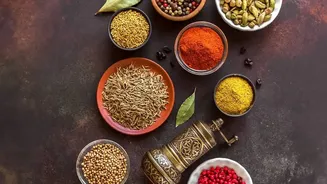
Meaning 'head of the shop' in Arabic, Ras el Hanout is a complex and luxurious blend from North Africa, particularly Morocco. It represents the best spices a merchant has to offer, and can sometimes contain dozens of ingredients. Core components usually include cumin, ginger, turmeric, black pepper, coriander, cinnamon, and cardamom. In this intricate mix, cinnamon adds a layer of sweet warmth, while cardamom contributes a bright, floral note that cuts through the blend's earthy depth. Ras el Hanout is the defining flavour of many tagines (slow-cooked stews), but it’s also fantastic as a rub for grilled meats or a seasoning for couscous and roasted vegetables.
Hawaij: Yemen’s Savory Staple
Hawaij is a foundational spice blend from Yemen, with different versions used for savory dishes and for coffee. The savory blend is a robust, earthy mix dominated by cumin and turmeric, which gives it a golden colour. Black pepper, coriander, cardamom, and cinnamon are also essential players. In Hawaij, the cinnamon provides a hint of sweetness to round out the powerful earthiness of the other spices, while cardamom adds a fragrant complexity. It is essential for Yemeni soups and stews, and works wonderfully as a dry rub for chicken or added to rice dishes.