





What is a Dark Store?
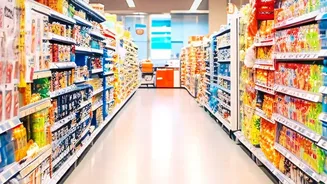
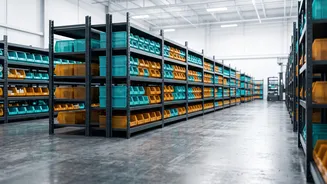
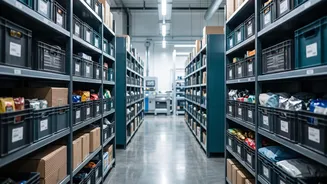
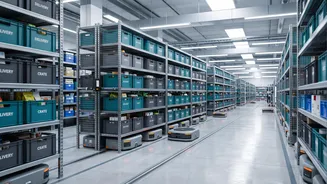
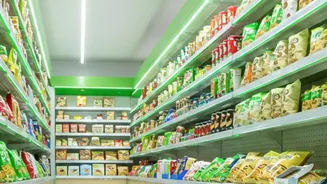
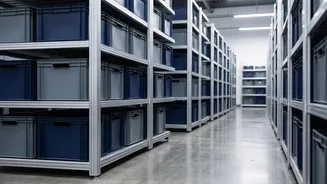
A dark store is a small, local warehouse designed exclusively for fulfilling online orders. Unlike a supermarket, it is closed to the public—hence the term 'dark'. Instead of aisles for shoppers, its layout is optimized for one thing: speed. Inside, workers
known as 'pickers' race against the clock to find items from shelves organized by how frequently products are ordered, not by brand or category. Milk, bread, and other high-demand items are kept closest to the packing stations to minimize retrieval time. These compact fulfilment centres, typically 1,000 to 4,000 square feet, are the engine of quick commerce, trading the vast selection of a large warehouse for hyperlocal proximity. Each store serves a small radius, usually just two to three kilometres, which is the key to enabling lightning-fast deliveries.
Bengaluru: The Dark Store Capital of India
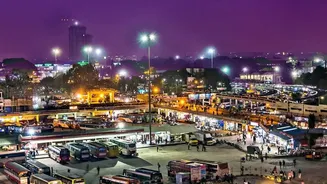
Bengaluru has emerged as the undeniable hub of India's quick-commerce revolution, boasting more dark stores than any other city. As of mid-2026, the city was home to over 620 dark stores operated by major players like Blinkit, Zepto, Swiggy Instamart, BigBasket, and Flipkart Minutes. This dense network means that for many residents, ordering from multiple platforms is possible, intensifying competition. The city's unique demographics make it a perfect market: a large, young, tech-savvy population, high smartphone penetration, and a concentration of time-poor professionals. Furthermore, Bengaluru's notorious traffic makes a quick trip to the local shop a time-consuming task, making the convenience of 10-minute delivery incredibly appealing. The city is not just a key market; it's also the industry's research and development lab, where new features and services are often tested before a national rollout.
How the 10-Minute Delivery Machine Works
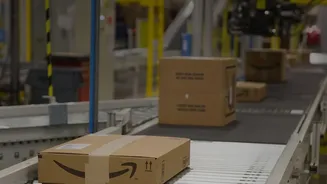
The process from tap to delivery is a masterclass in hyperlocal logistics. It begins with sophisticated data analytics, where platforms forecast demand for thousands of items, neighbourhood by neighbourhood. This allows them to stock each dark store with a curated inventory of 3,000 to 5,000 popular products. When you place an order, it is instantly routed to the nearest dark store. A picker receives the alert and has a target of just a few minutes to collect the items. Once packed, the order is handed to a delivery partner, who completes the last-mile journey. This entire supply chain, from larger regional warehouses that replenish the dark stores to the final delivery, is built around speed and efficiency.
The Impact on the City and its Economy
The rapid expansion of dark stores is reshaping Bengaluru's commercial real estate landscape, creating new demand for small, ground-floor spaces in dense residential and tech corridors. This model is also a significant employer, creating thousands of jobs for pickers, packers, and delivery partners. However, the business model faces challenges. Profitability remains a major concern, with platforms operating on razor-thin margins. To counter this, companies are focusing on multiple revenue streams beyond just product markups, including delivery fees, platform charges, and a rapidly growing advertising business where brands pay for visibility within the apps. Subscriptions like Zepto Pass and the introduction of higher-margin private-label products are also key strategies.
The Future of Quick Commerce
The '10-minute delivery' promise has fundamentally altered consumer expectations in Bengaluru and other Indian metros. What started as a service for groceries and essentials is now expanding to include electronics, beauty products, and more. However, the industry faces headwinds, including questions about the long-term sustainability of the high-pressure work environment for gig workers and potential regulatory scrutiny over business models and pricing. While the hype around 10-minute delivery may eventually settle, the underlying shift towards convenience is here to stay. The dark store model has proven to be a powerful logistics innovation, changing not just how people shop, but the very rhythm of urban life.