






A Parikrama for the Planet
At the heart of this movement is the ‘Atulya Ganga’ (Incomparable Ganga) initiative, a monumental effort to walk the entire 5,500-kilometre length of the Ganga’s banks. This is a modern take on the ancient Hindu tradition of a ‘parikrama’—a reverential
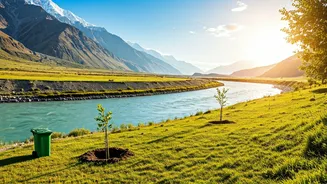
circumambulation of a sacred entity. But instead of being purely devotional, this journey is a mission. Participants, often led by army veterans and joined by volunteers, are not just walking; they are observing, documenting, and engaging. They map pollution sources, test water quality at regular intervals, and plant trees, turning their long walk into a massive, real-time audit of the river’s health. The goal is to create the most comprehensive survey of the Ganga to date, providing invaluable data for conservation efforts and holding polluters accountable.
Beyond Protest: Activism as Seva
This initiative reimagines what environmental activism can look like. It moves away from the traditional model of protests and petitions, which can sometimes feel confrontational. Instead, it frames activism as ‘seva,’ or selfless service. By walking the river’s length, participants build an intimate, personal connection with the Ganga. They witness its beauty and its degradation firsthand. This experience transforms an abstract environmental issue into a tangible, personal responsibility. The activism here is constructive. The walkers engage with local communities along the way, conducting awareness campaigns in schools and villages, and fostering a sense of shared ownership for the river’s future. It’s a quiet revolution built on persistence and presence, rather than placards and slogans.
The Uniting Force of Yoga
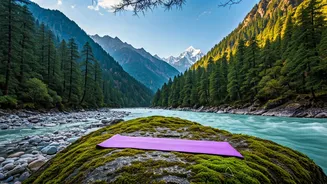
Yoga is the thread that ties this entire endeavour together. For the participants undertaking this gruelling journey, a daily yoga practice is essential for physical endurance and mental fortitude. The demanding walk, covering 20-30 kilometres a day through varied and often difficult terrain, requires immense discipline. Yoga provides the physical conditioning and mental resilience needed to sustain the effort over several months. But its role is deeper than just physical maintenance. The principles of yoga—mindfulness, discipline, and the concept of ‘dharma’ (duty)—provide the philosophical backbone for the mission. It fosters a state of conscious awareness, enabling participants to observe the environment with greater clarity and purpose. It reinforces the idea that caring for nature is a duty, a form of service that connects the individual to the larger cosmos.
Creating the Water Trails
The vision extends beyond the walk itself. The documentation and mapping efforts are laying the groundwork for developing sustainable ‘water trails’ along the Ganga. This concept, part of the government’s broader ‘Arth Ganga’ (Wealth of Ganga) policy, aims to promote responsible tourism like kayaking, rafting, and eco-friendly camping along the river. The data collected by the walkers on pollution points, water quality, and safe stretches helps identify viable routes for these activities. By creating economic opportunities that depend on a clean river, the initiative aims to give local communities a direct stake in its conservation. A thriving eco-tourism industry provides a powerful incentive to keep the river clean, turning environmental protection into a source of sustainable livelihood. The parikrama is, in effect, the first step in charting a new, greener economy for the Ganga basin.