






Defining the 'Quiet Luxury' Freelancer
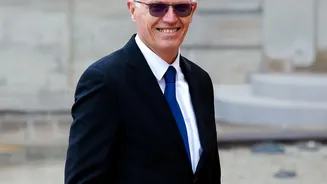
Forget flashy graphics, endless self-promotion, and profiles packed with buzzwords. The 'quiet luxury' freelance profile is about understated confidence. It is the professional equivalent of a perfectly tailored suit or a classic watch—its value is evident
in its quality, not its branding. This approach prioritises substance over spectacle. Instead of shouting about their skills, these freelancers demonstrate them. Their online presence, from LinkedIn to their personal portfolio, is clean, professional, and focused on results. The core elements are impeccable case studies, glowing testimonials from past clients, and a clear, concise articulation of the value they deliver. The message is one of calm authority; their work is so compelling that it speaks for itself, signaling reliability and premium quality through restraint.
The Problem with Hyper-Aggressive Marketing
For years, the online guru playbook encouraged a 'hustle culture' mindset: post constantly, use aggressive calls-to-action, and project an image of unstoppable success. This hyper-aggressive style often involves exaggerated claims, a sense of manufactured urgency, and a relentless focus on selling. However, savvy corporate clients are growing weary of this noise. An overly aggressive approach can now be interpreted as a red flag, suggesting a lack of genuine confidence or, worse, a lack of substance. In a business environment focused on risk mitigation, a freelancer who feels the need to shout about their abilities can trigger skepticism. It makes the client feel like they are being sold to, rather than partnered with.
Trust and the Backlash to 'Hustle Culture'
The shift towards quiet luxury is part of a broader rejection of toxic hustle culture. Professionals are increasingly aware of the burnout associated with a relentless 'always-on' mentality and are prioritising authenticity and well-being. This change in values is reflected in what they look for in collaborators. Corporate clients are not just hiring a set of skills; they are investing in a professional relationship built on trust. Hyper-aggressive marketing often feels transactional, while a quiet luxury approach feels relational. It suggests the freelancer is a stable, reliable, and thoughtful partner focused on long-term value, not just the next invoice. This builds a foundation of trust before a contract is even signed.
Substance Over Slogans
Ultimately, corporate clients are looking for freelancers who can solve their problems efficiently and effectively. A 'quiet luxury' profile excels because it is customer-centric. It moves the focus from the freelancer's ego to the client's needs. The language used is precise, purposeful, and free of hype, which builds credibility. While an aggressive marketer might promise to '10x your growth,' the quiet luxury professional will present a case study showing exactly how they achieved a specific, measurable result for a previous client. This evidence-based approach is far more persuasive to a discerning hiring manager. It conveys a deep understanding of business needs and a commitment to delivering tangible outcomes, which is the ultimate form of professional luxury.
How to Cultivate a 'Quiet Luxury' Profile
Transitioning to a quiet luxury brand doesn't mean becoming passive or invisible. It's about strategic restraint. Start by refining your professional narrative. Strip away vague jargon and focus on clear, powerful statements about your impact. Elevate your portfolio by transforming project descriptions into compelling case studies with concrete data. Actively seek out and prominently display detailed testimonials from satisfied clients. Ensure your communication, from the first email to project updates, is a model of clarity and reliability. Your online presence should be consistent, polished, and an authentic reflection of the high-quality work you deliver. The goal is to create an aura of competence that doesn't need to be advertised because it is consistently demonstrated.