





The Rainy Season’s New Allure
What was once a quiet period on the travel calendar is now a booming season. Recent reports show a significant year-on-year increase in monsoon travel, with hotel bookings up by over 54% and bus bookings surging by 140%. This shift is driven by a growing
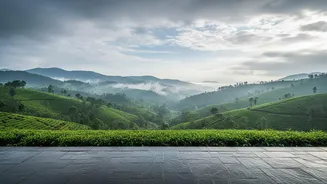
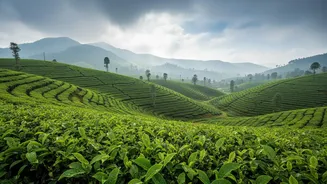
desire for nature-based tourism, offbeat destinations, and shorter, more frequent breaks. Travellers are discovering the unique charm of a rain-washed India: fewer crowds at major attractions, dramatic green landscapes, and gushing waterfalls. The appeal is clear—destinations that were once quiet during the rains are now buzzing with activity, signalling a fundamental change in how people explore the country.
Monsoon Hotspots Driving the Trend
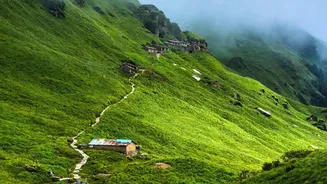
While the entire country transforms during the rains, certain destinations are seeing unprecedented interest. Hill stations have seen a massive surge, with Wayanad in Kerala reporting a staggering 160% growth in hotel bookings. Other South Indian gems like Alleppey, Kodaikanal, and Ooty are also seeing booking increases of over 70%. The Northeast has emerged as another major hub, with Nagaland and Arunachal Pradesh seeing hotel bookings rise by over 90%. Even classic destinations are getting renewed attention; Goa has seen a 110% increase in hotel bookings as travellers discover its tranquil, green side, while Udaipur in Rajasthan offers a uniquely romantic, rain-washed cityscape.
The Inherent Risks of Rainy-Season Travel
While the rewards of monsoon travel are high, so are the uncertainties. The weather can be notoriously unpredictable. Sudden downpours can lead to flooded roads, flight delays, and disrupted train services. In hill stations, particularly in the Western Ghats and Himalayas, heavy rains can increase the risk of landslides, potentially blocking roads and cancelling outdoor activities like trekking. This unpredictability makes planning essential. Committing to a non-refundable booking months in advance feels like a gamble when a sudden weather event could derail your entire trip.
Decoding 'Refundable': What to Look For
The travel industry has responded to this need for certainty with flexible and refundable booking options. These policies remove the financial risk from planning, allowing you to book in advance while retaining the freedom to cancel or change plans. When booking flights, look for 'Flex' fares offered by major airlines, which allow changes for a lower fee than standard tickets. However, always read the fine print. 'Free cancellation' might mean a full refund to your original payment method, while some policies may only offer a credit voucher for future travel. For hotels, pay close attention to the cancellation deadline. Often, you must cancel more than 24 or 48 hours before check-in to get a full refund. Booking a fully refundable hotel is especially critical for destinations prone to landslides or flooding.
Travel Insurance: The Essential Safety Net
A refundable booking is not a substitute for travel insurance. While a flexible hotel or flight booking protects you against cancellation, a comprehensive travel insurance policy offers a much wider safety net. Travel insurance can cover scenarios that refundable bookings do not, such as trip interruption due to weather, medical emergencies, lost baggage, and costs incurred from significant delays. Given the increased risk of weather-related disruptions and health concerns like mosquito-borne illnesses during the monsoon, having a policy that includes emergency medical treatment and evacuation is highly recommended. It provides an essential layer of financial protection and peace of mind, ensuring you are covered for the unexpected.