






The Allure of Redevelopment
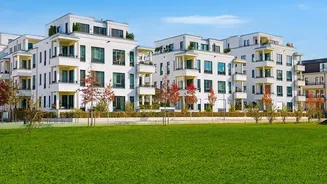
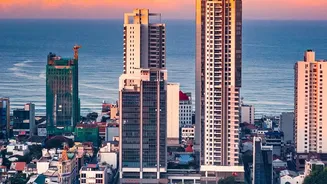
With limited land available for new construction in Mumbai, redeveloping old buildings has become a key driver of new housing. These projects allow buyers to own a modern home in an established, well-connected neighbourhood, complete with amenities like
gyms, security systems, and proper parking—features often missing in older structures. This model demolishes an aging building and replaces it with a new one, offering flats to existing residents and selling the surplus units to new buyers. The appeal lies in getting a brand-new, safer home built to modern standards without sacrificing the convenience of a prime city location.
First Step: Vet the Developer
The single most critical step is to investigate the developer's background. Redevelopment is more complex than building on vacant land, involving existing residents, temporary accommodation, and intricate approvals. Opt for a developer with a proven track record of completing redevelopment projects on time. Ask for a list of their finished projects and, if possible, speak to residents of those buildings. A developer's financial stability is also crucial; undercapitalized builders may abandon projects, leading to long delays and legal battles. Check their history for any litigation or stalled projects to gauge their reliability.
Decoding the Legal Paperwork
Before committing, a thorough document check is non-negotiable. The property's title must be clear and free from disputes. Key documents to review include the Development Agreement between the society and the developer, the chain of ownership deeds, and approvals from the Brihanmumbai Municipal Corporation (BMC). Ensure the project has received all major approvals like the Intimation of Disapproval (IOD) and Commencement Certificate (CC). Your sale agreement should clearly specify the carpet area, possession timeline, and specifications of the flat to avoid disputes later. Hiring an independent legal expert to review these documents is a wise investment.
Understanding RERA's Protection
The Real Estate (Regulation and Development) Act, or RERA, provides a significant safety net for homebuyers. It is mandatory for developers to register their redevelopment projects with MahaRERA before they can market or sell flats. The MahaRERA website is a valuable resource where you can verify the project's details, including the sanctioned plans, project timeline, and the developer's credibility. The Act also mandates that developers deposit 70% of the money received from buyers into a separate escrow account to be used only for that project's construction, reducing the risk of funds being diverted.
Common Red Flags to Watch For
Be wary of several red flags. One of the biggest risks is project delays, which are common and can extend for years due to approval issues, funding gaps, or legal disputes. Check for any ongoing litigation from dissenting society members, as this can stall the project indefinitely. Another major risk involves the developer's financial health; signs of trouble include slow construction progress and delayed payments for transit rent to existing members. Finally, if a project is still in the early proposal stage without a registered Development Agreement or RERA number, the risk of it never taking off is significantly higher.
Beyond the Brochure: On-Ground Checks
An attractive brochure is not enough. Visit the site to assess the neighbourhood and the progress of construction. Check the project's connectivity and proximity to essential services like schools, hospitals, and public transport. If the project involves rehabilitating existing tenants, try to understand the terms they have been given regarding rent and alternate accommodation, as disputes here can cause major delays. Ensuring that the developer has a clear plan for obtaining the final Occupation Certificate (OC), which is mandatory for legal possession and utility connections, is also vital.