




Bhindi (Okra/Lady's Finger)
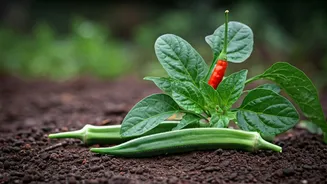
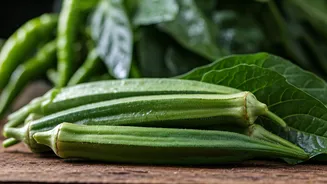
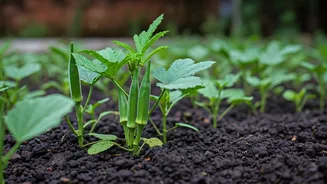
A staple in Indian kitchens, bhindi is one of the easiest and most rewarding vegetables to grow during the monsoon. It adores the warm, humid climate and requires well-drained soil to prevent waterlogging around its roots. Sow the seeds directly into
your garden beds or large containers about an inch deep and 12 inches apart. You can expect to start harvesting tender, green pods in about 50-60 days. Regular picking encourages the plant to produce more, ensuring a steady supply for your favourite curries and stir-fries throughout the season. Just be mindful of pests like aphids and fruit borers, which can also thrive in this weather.
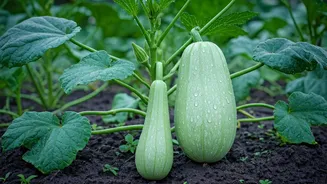
Gourds (Lauki, Turai, Karela)
The monsoon is the season of gourds. Varieties like lauki (bottle gourd), turai (ridge gourd), and karela (bitter gourd) grow vigorously during this time. These are climbers, so they will need a strong support structure like a trellis, fence, or netting to climb on. This not only saves space but also keeps the fruit off the wet ground, preventing rot. Plant 3-4 seeds together in small mounds and thin them out to the strongest seedling once they sprout. These vines love moisture but hate stagnant water, so ensure your soil has good drainage. The lush foliage and hanging vegetables create a beautiful screen, adding both food and form to your garden.
Leafy Greens (Palak and Amaranth)
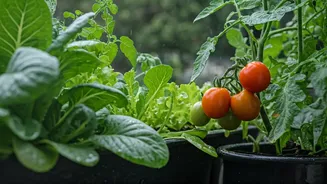
While many leafy greens bolt or rot in heavy rain, certain varieties are perfect for the monsoon. Palak (spinach) and amaranth (chaulai saag) are two excellent choices. They grow quickly and can be harvested multiple times. The 'cut-and-come-again' method works wonderfully here: simply snip the outer leaves, leaving the central bud to grow more. Sow the seeds in well-draining soil, either in raised beds or pots, to protect them from excessive water. These greens provide a fantastic source of iron and vitamins, perfect for boosting immunity during a season known for health niggles. A fresh batch of palak paneer made from your own garden is a monsoon delight.
Beans (Sem Phali)
Beans are nitrogen-fixers, meaning they naturally enrich the soil they grow in. Cluster beans (gawar) and broad beans (sem phali) are particularly well-suited for the rainy season. They are relatively low-maintenance and can be grown as bush types or climbing varieties. For climbers, provide a sturdy trellis. They thrive in the moisture but, like most monsoon crops, need soil that drains well to avoid root diseases. You can start harvesting beans within two months of sowing. They are a versatile addition to any meal, whether steamed, added to a mixed vegetable sabzi, or used in a flavourful dal.
Cucumber (Kheera)
Nothing beats the fresh, cooling crunch of a homegrown cucumber. Monsoon is an ideal time to plant them, as they are heavy feeders that appreciate the nutrient-rich soil and consistent moisture. Like gourds, cucumbers are creepers and do best when given a trellis to climb. This improves air circulation and reduces the risk of fungal diseases, a common issue in the humid monsoon air. Plant the seeds in a sunny spot that receives at least 5-6 hours of sunlight. With proper care, you’ll be harvesting crisp, delicious cucumbers that are perfect for salads, raitas, or just slicing up with a pinch of salt.
Chillies and Brinjal
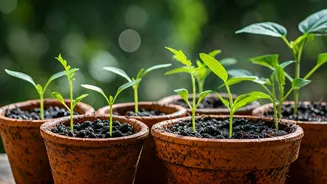
If you started your chilli and brinjal (eggplant) seedlings in late summer, the monsoon is the perfect time to transplant them into your garden. These plants love the warmth and humidity. They establish strong root systems during the rains and begin fruiting prolifically. Ensure they are planted in a spot with excellent drainage, as they are susceptible to root rot. For brinjal, watch out for fruit and shoot borers. A small patch of green chillies can provide you with a fresh, spicy harvest for months, adding a kick to every home-cooked meal.